From the moment we began planning this trip, we knew we wanted to visit South America. Our list of must-see countries went something like this: “Ireland, Czech Republic, New Zealand, Australia…and somewhere in South America.” We always figured that by the time we had to buy airline tickets, we would have actually figured out where the heck we wanted to go. We talked to friends and fellow travelers from various South American countries, we read blogs and looked up cost estimates in an attempt to pinpoint the ideal destination. The problem was, we had only three weeks, and South America is HUGE! Finally, after literally years of consideration, we narrowed our choices down to: Chile, Bolivia, Peru, Brazil, or Argentina. So now that we’d determined we wanted to be in either the North, South, East, or West of the continent, we were ready to start planning the details. Yeah…it was a month out from when we were supposed to be in South America and we still had no clue. So we did what any good budget traveler would do: we checked what the cheapest flight was from Sydney. The lucky winner was Buenos Aires, so that’s what we picked!
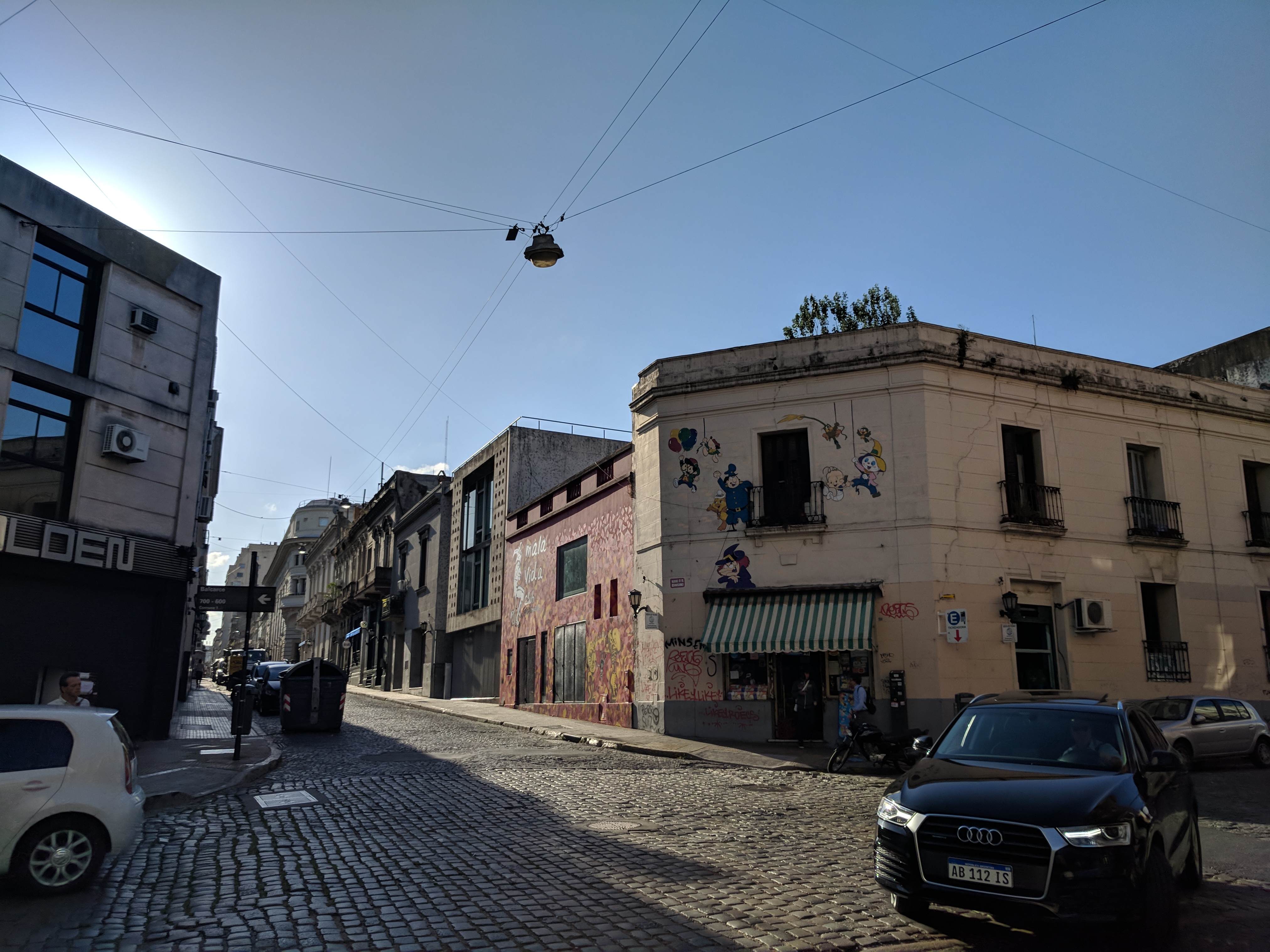
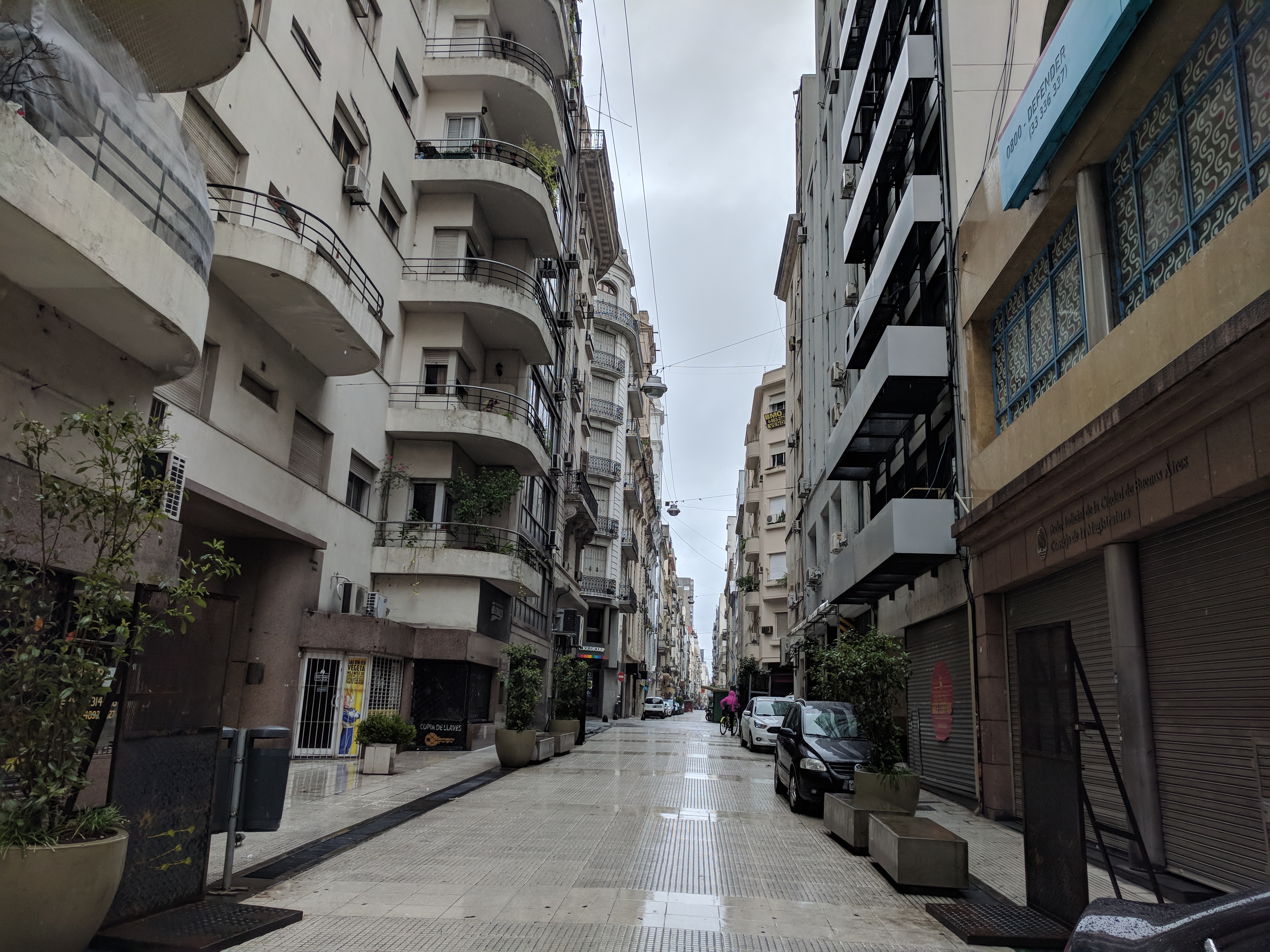
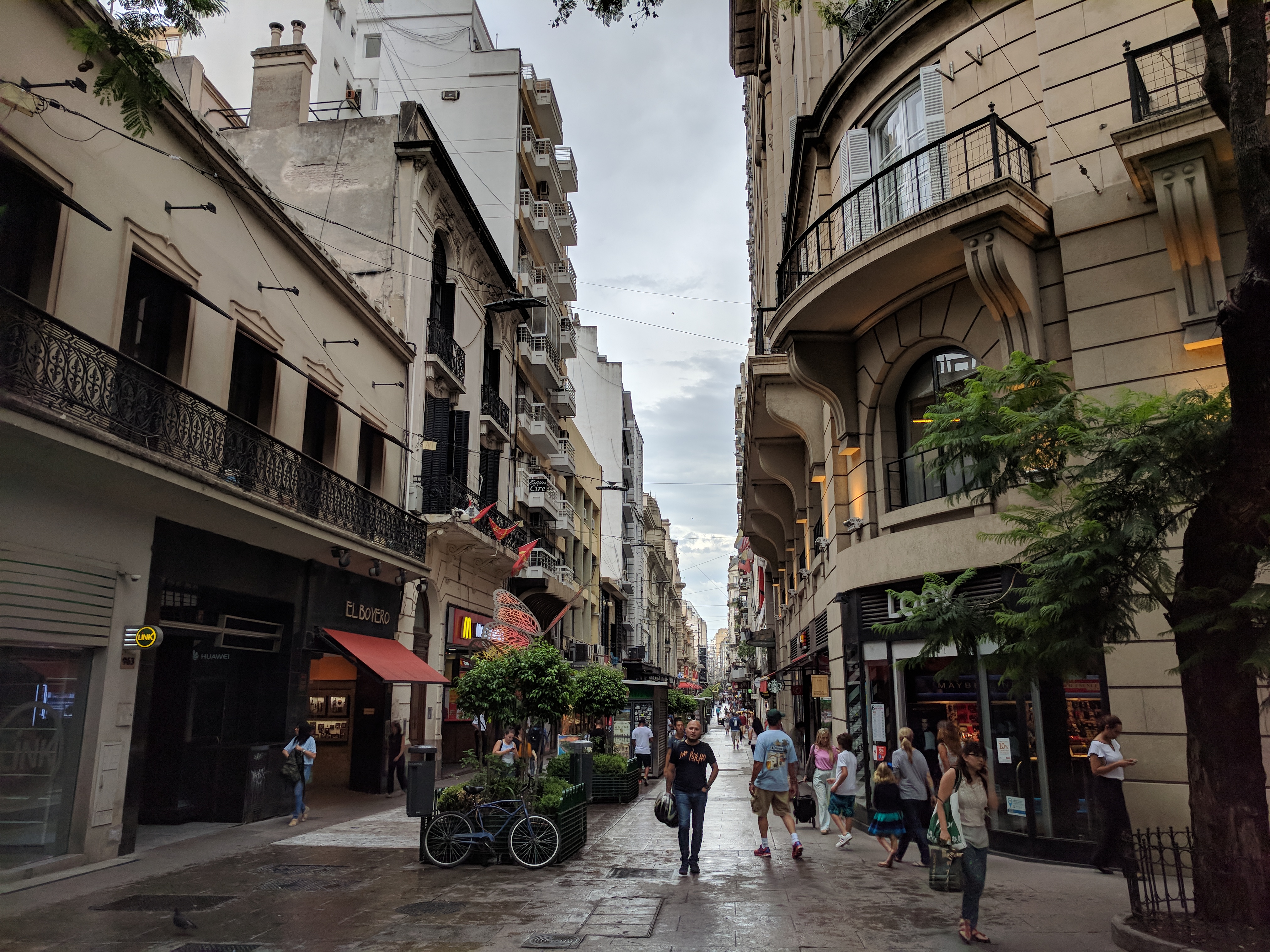
A long flight crossing 13 time zones deposited us, more jet-lagged than we yet realized, in the thouroughly modern airport of Argentina’s capital. A taxi brought us to our hostel, the driver managing to have a conversation with Justin about their mutual love of music despite the impressive language barrier (it consisted largely of each naming bands they liked, and the other making various noises of appreciation or disinterest). Our hostel was in the San Telmo neighborhood, hemmed in by narrow, graffiti-stained alleyways, and surrounded by small groceries, auto shops, and residences. The neighborhood is famous for its street markets, and is one of the more colorful and gritty-feeling parts of town.
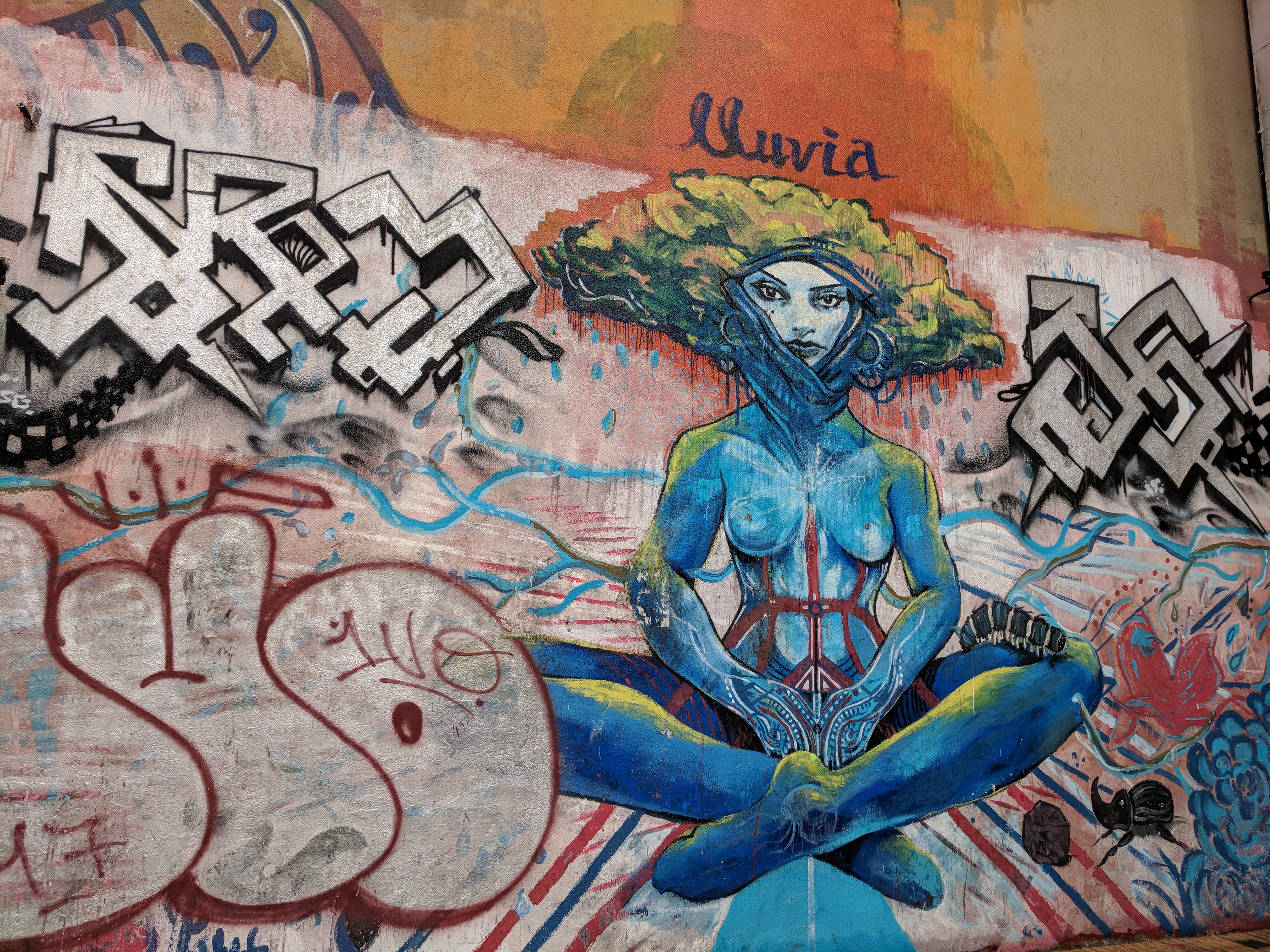
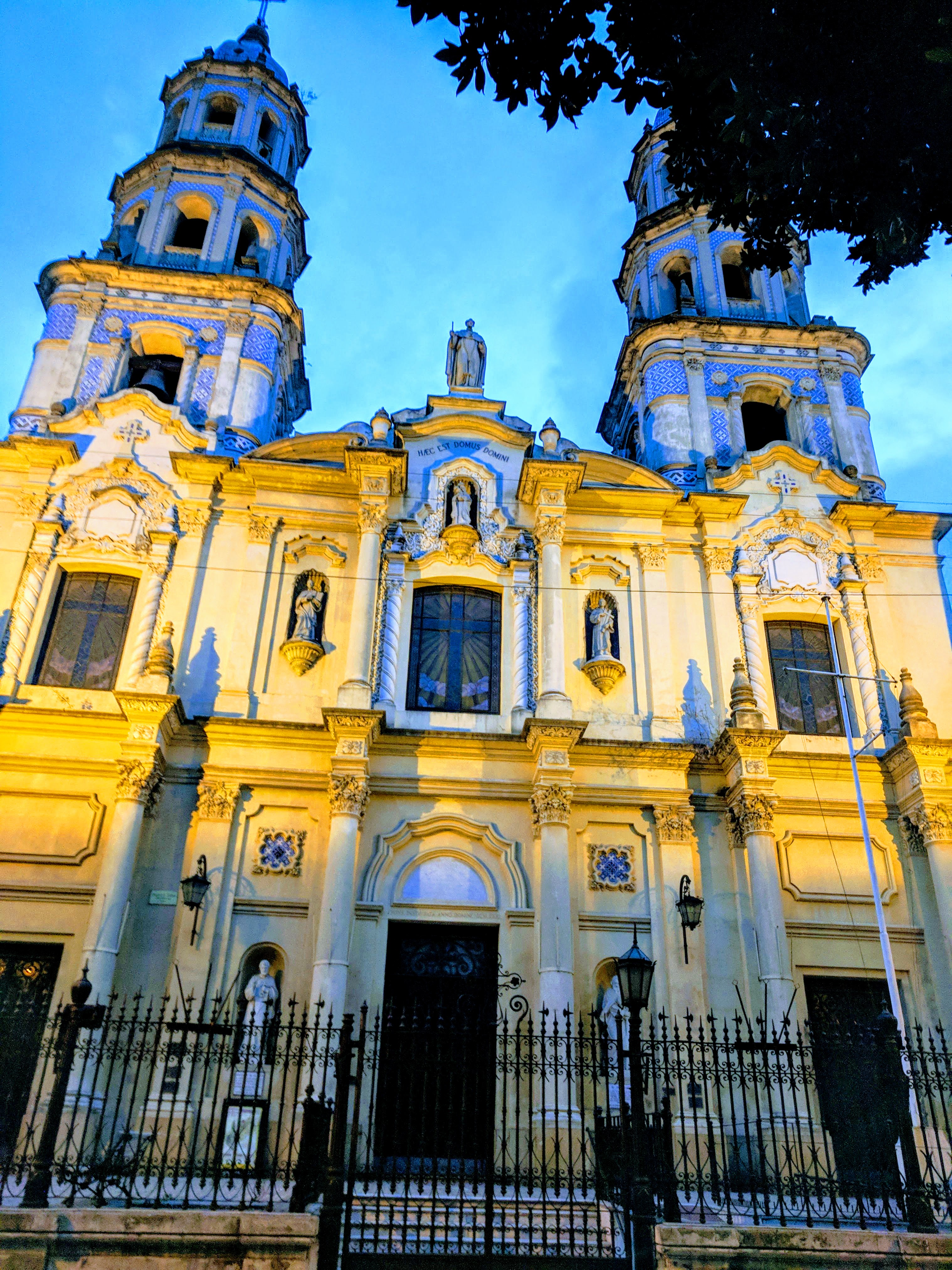
We were really excited to explore this huge city, but we were also really, really jetlagged. More jetlagged than either of us had ever been in our lives. That time difference is a doozy; our bodies laughed at our attempts to immediately adopt the local time. So we spent about three days in a haze of semi-wakefullness, taking short walks around the city when we had the energy, and trying to avoid our weird Brazilian roommate, who was alternately really grumpy or really friendly depending on his level of intoxication.
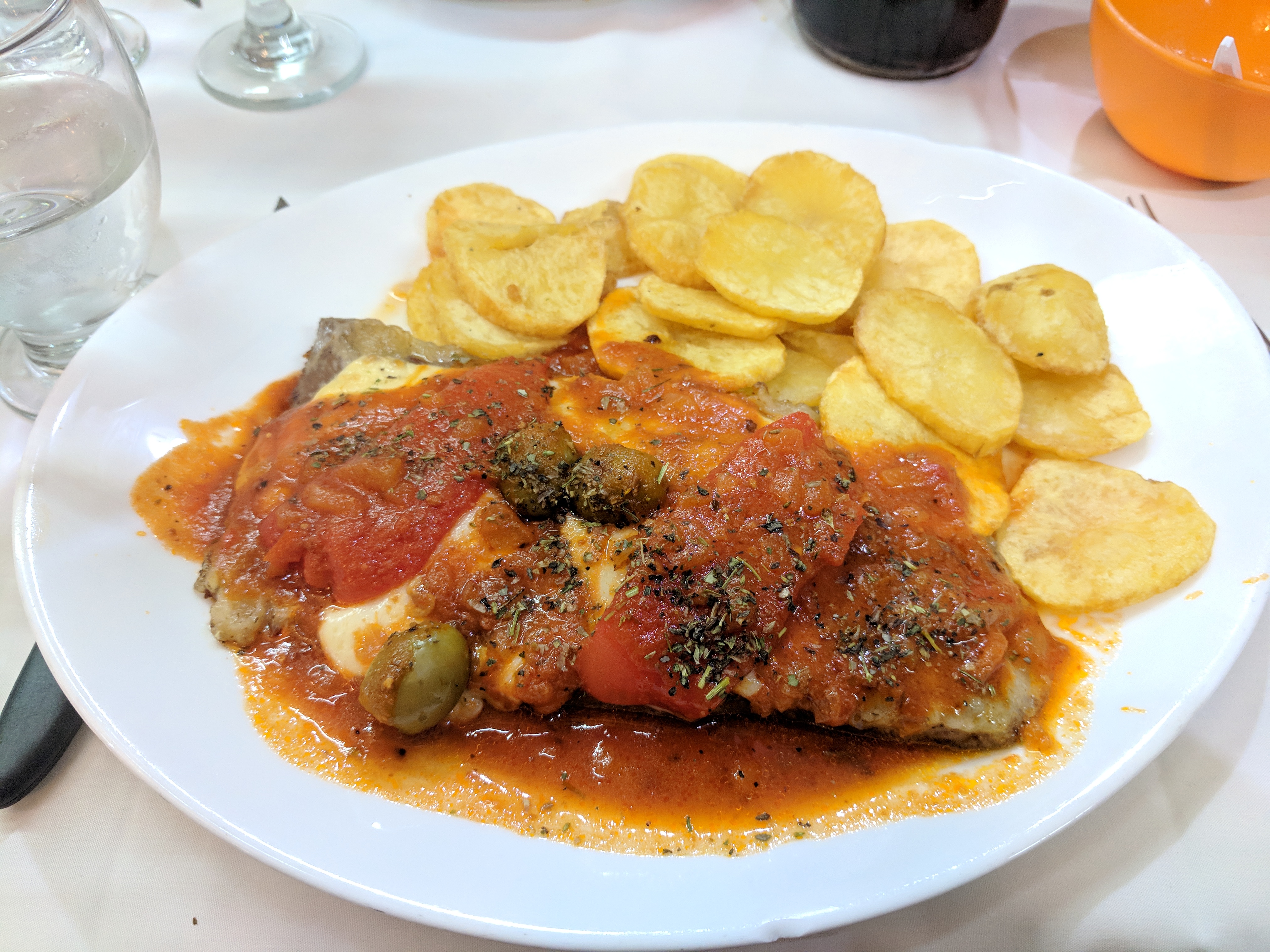
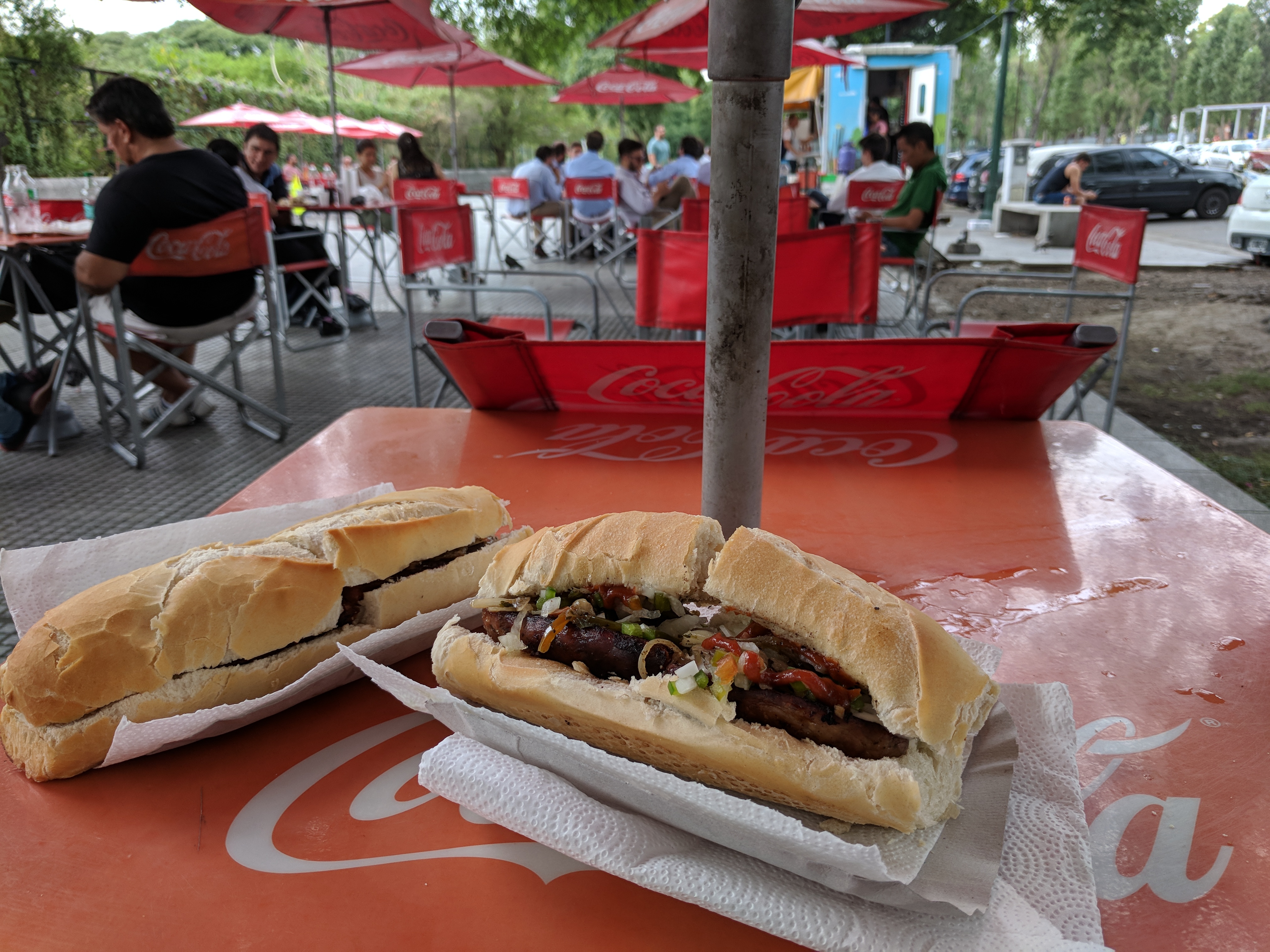
After New Zealand and Australia, we were overjoyed to finally be able to buy food and beer without completely blowing our daily budget. We found the local beer to be quite cheap and tasty, and the food to be good and substantial, if not particularly exciting.
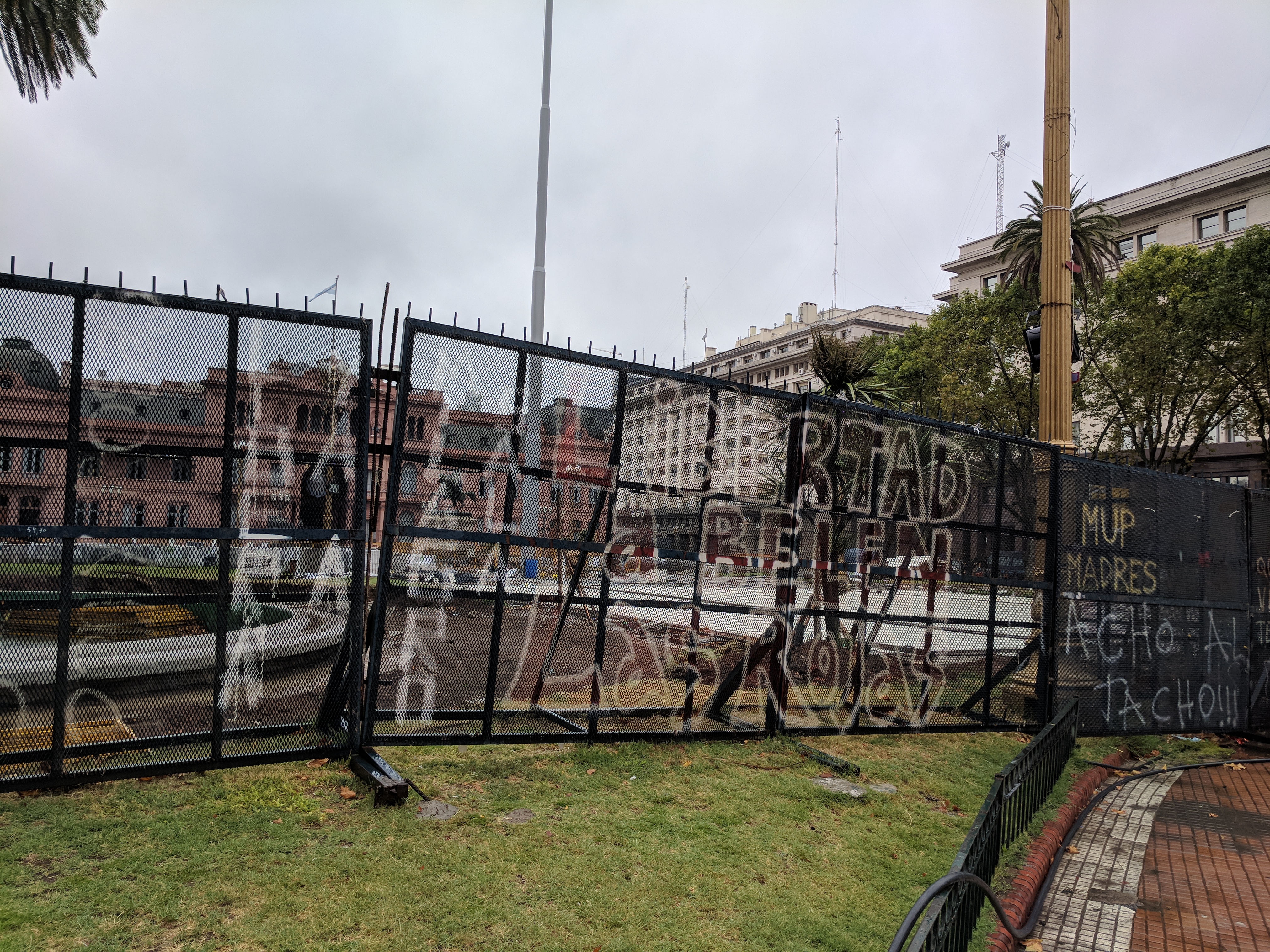
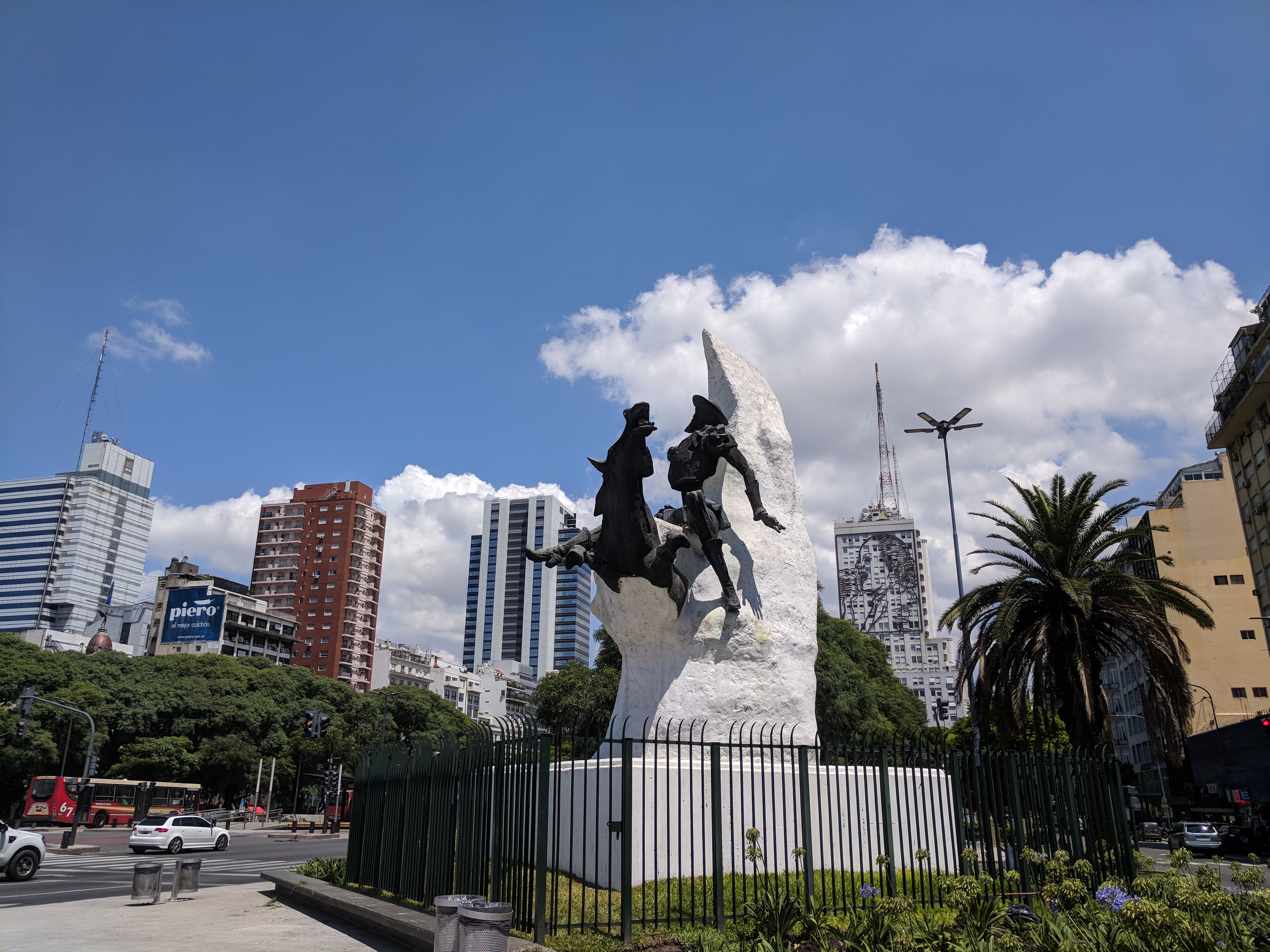
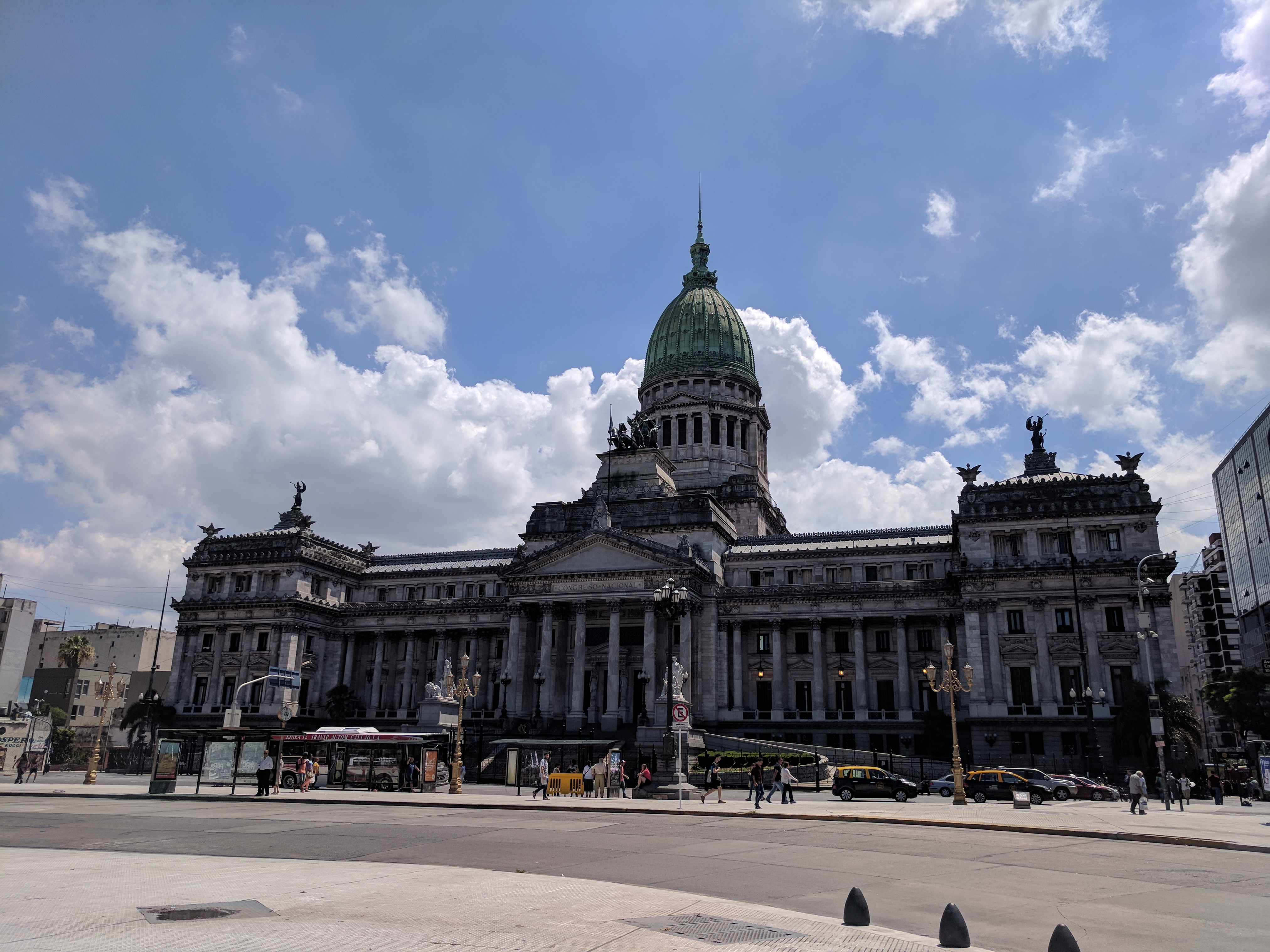
On day four we finally got our act together and attended a walking tour given by a native of the city. He gave us some insight into how it feels to be a young person living in the current political climate. Sadly, according to him, it looks pretty hopeless. The Argentinians have been screwed over too many times, have seen too many miliary coupes and too many economic crashes, and many feel powerless to prevent it from happening again. They have experienced the terrifying effects of rampant inflation many times. In this country, we were told, you cannot buy a house with the native pesos, but only with US dollars. Even during the short time we were there, the peso went from about 18 on the dollar to about 20. Having such an unstable currency must wreak havoc on everyone’s mental wellfare. We heard that during the worst economic upheavals, the exchange rate was changing so quickly that at grocery stores, they did not bother writing down the prices of anything. Instead, someone would call out the prices of items over the loudspeaker as they changed. While you were waiting in line to check out, that toilet paper could go from 10 pesos to 50.
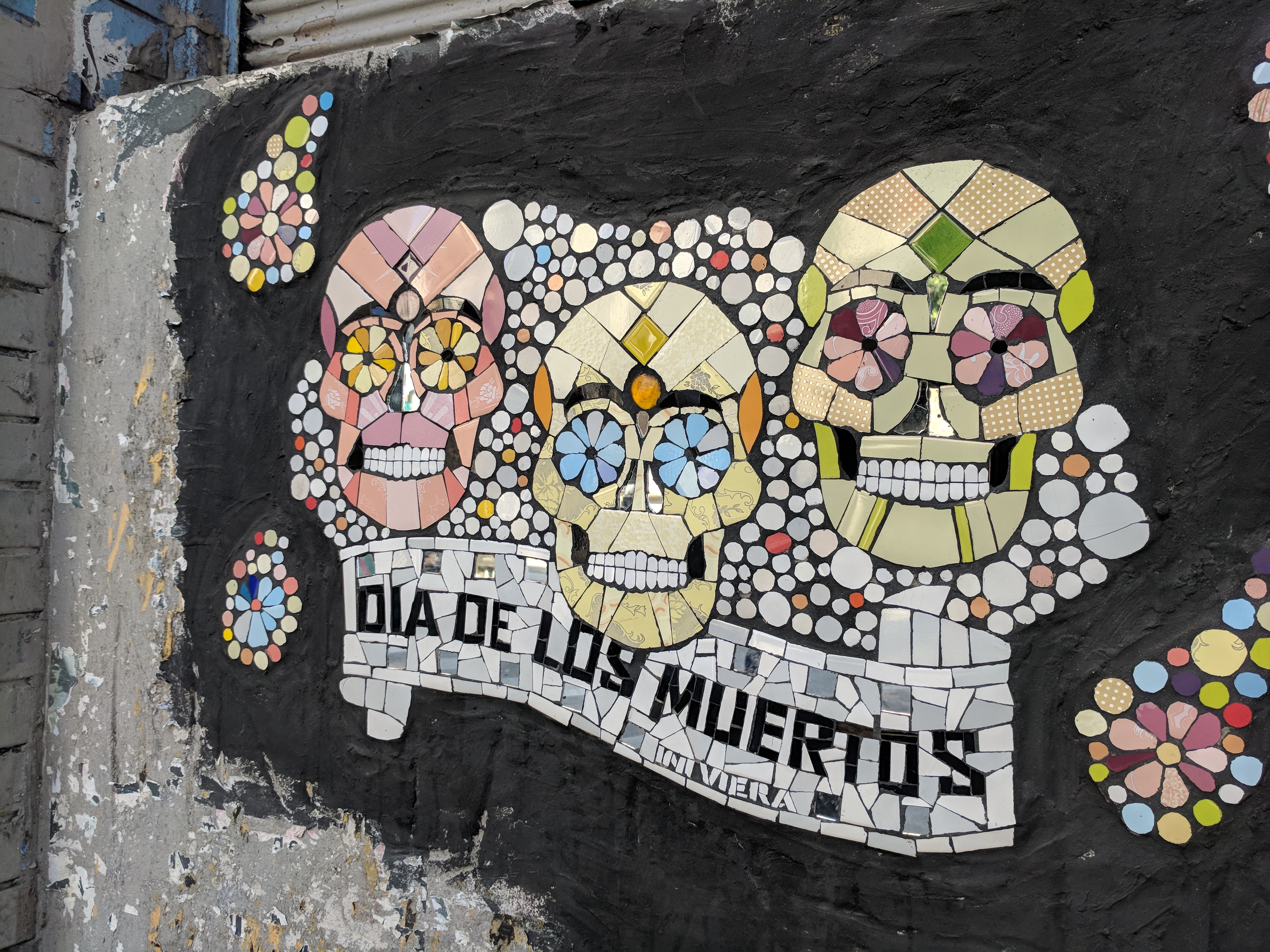
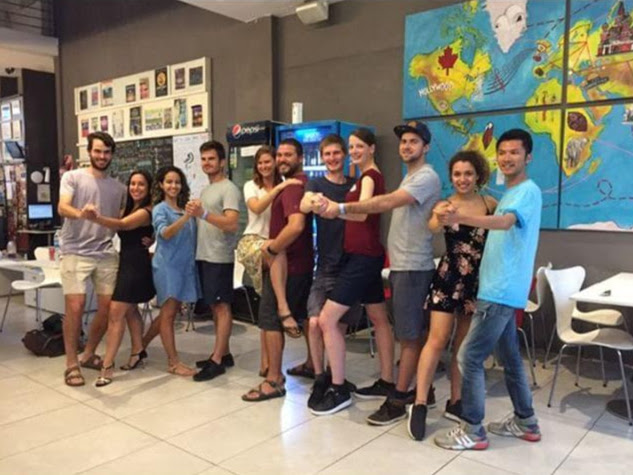
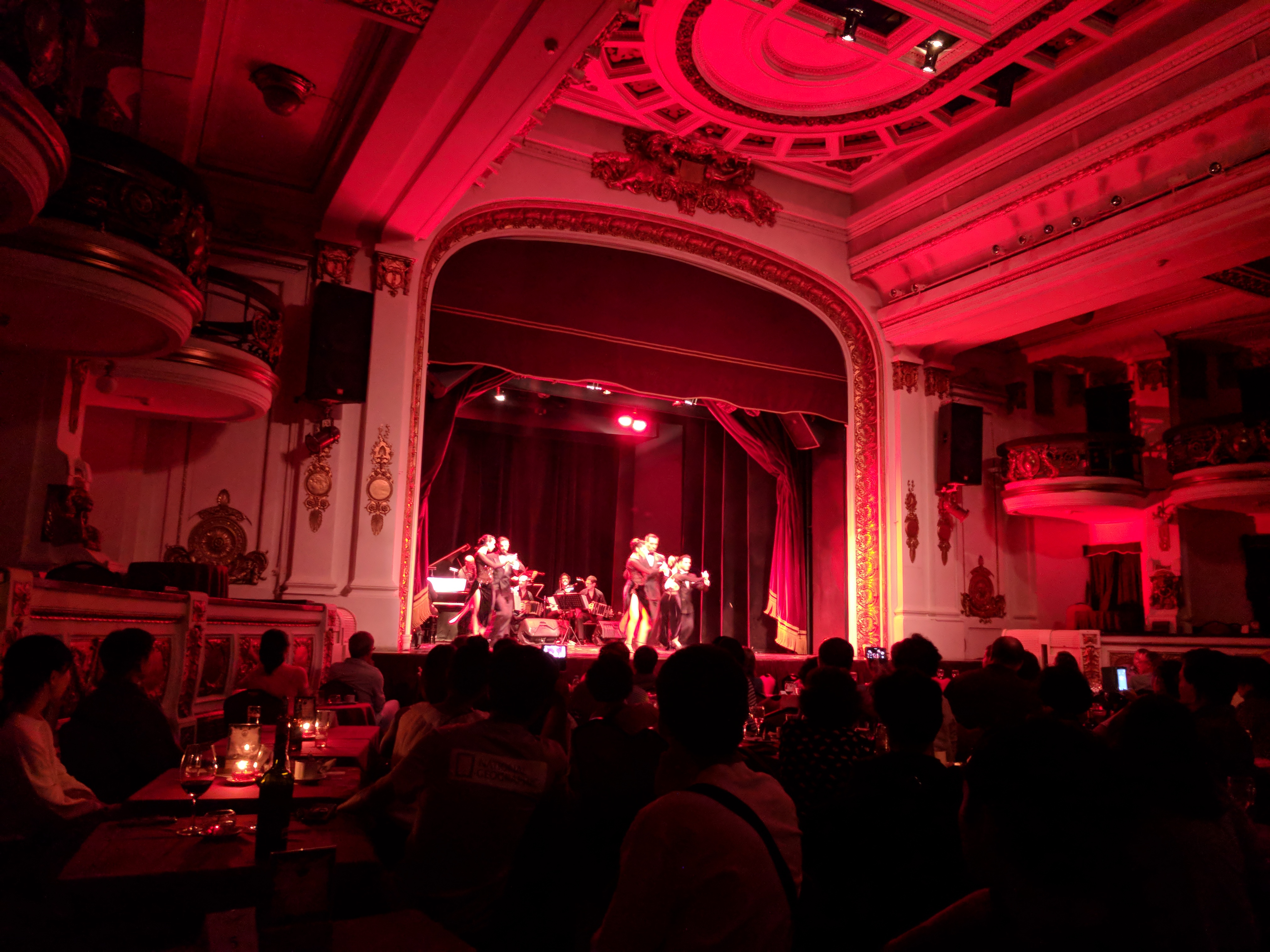
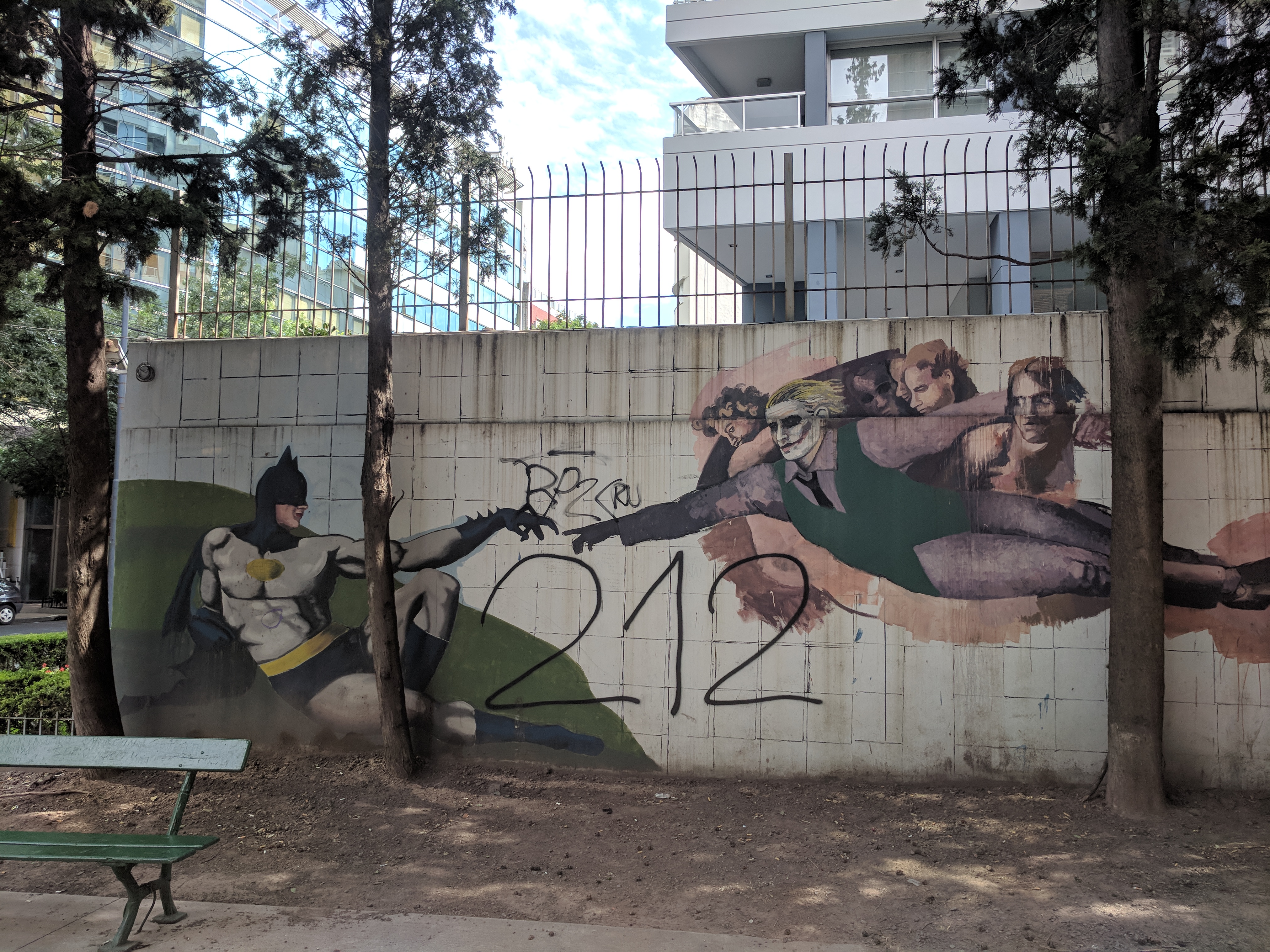
The people of Buenos Aires, like most South Americans it seems, are a people determined to enjoy life despite the sharp curveballs thrown at them by a corrupt government. Many of them seem to have a wry and fatalistic sense of humor, which reminded us of the Czechs a bit. But they make beautiful art, they write, they sing about amor, they play in the many huge parks scattered throughout the city, and of course, they dance the tango.
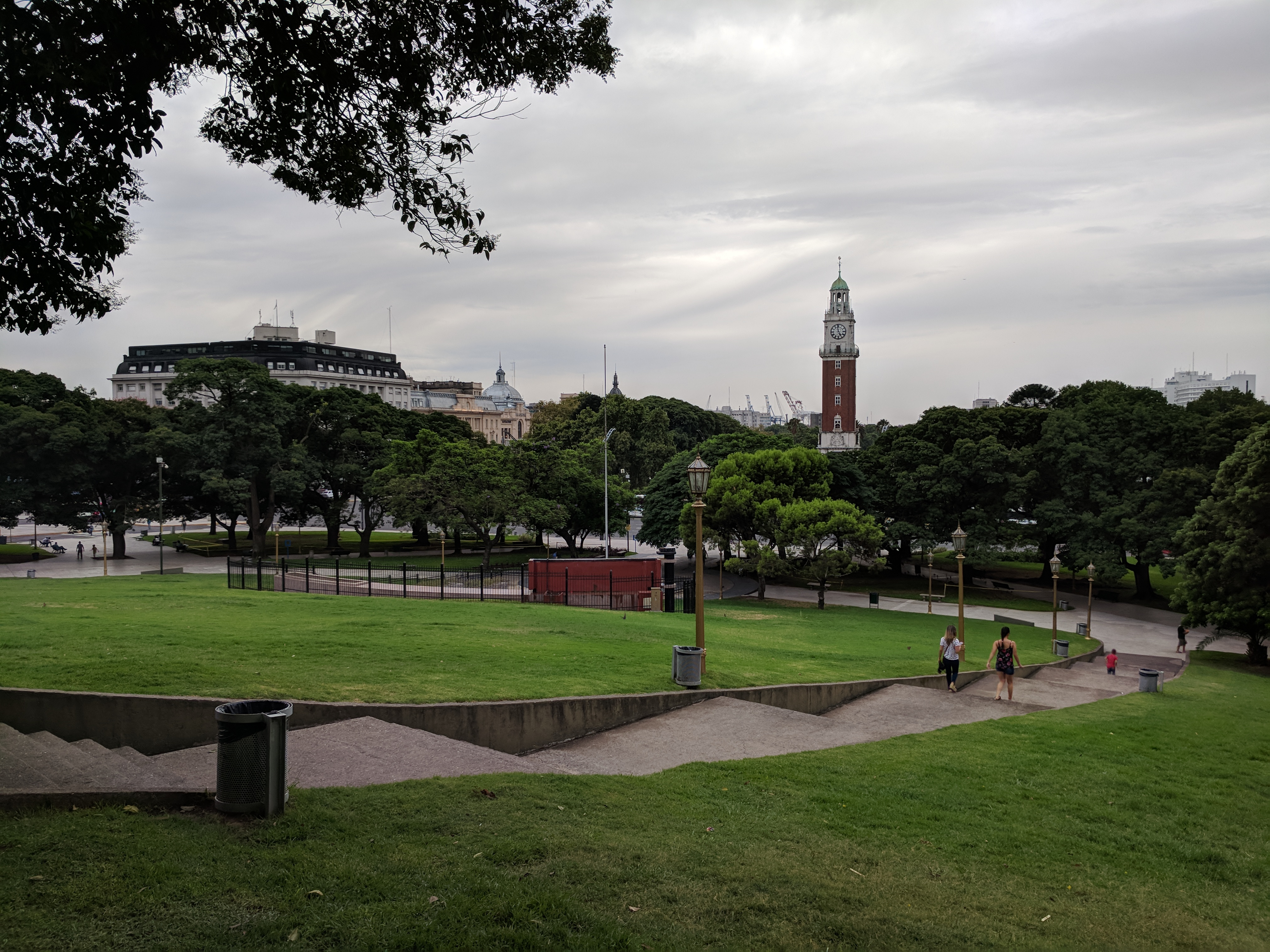
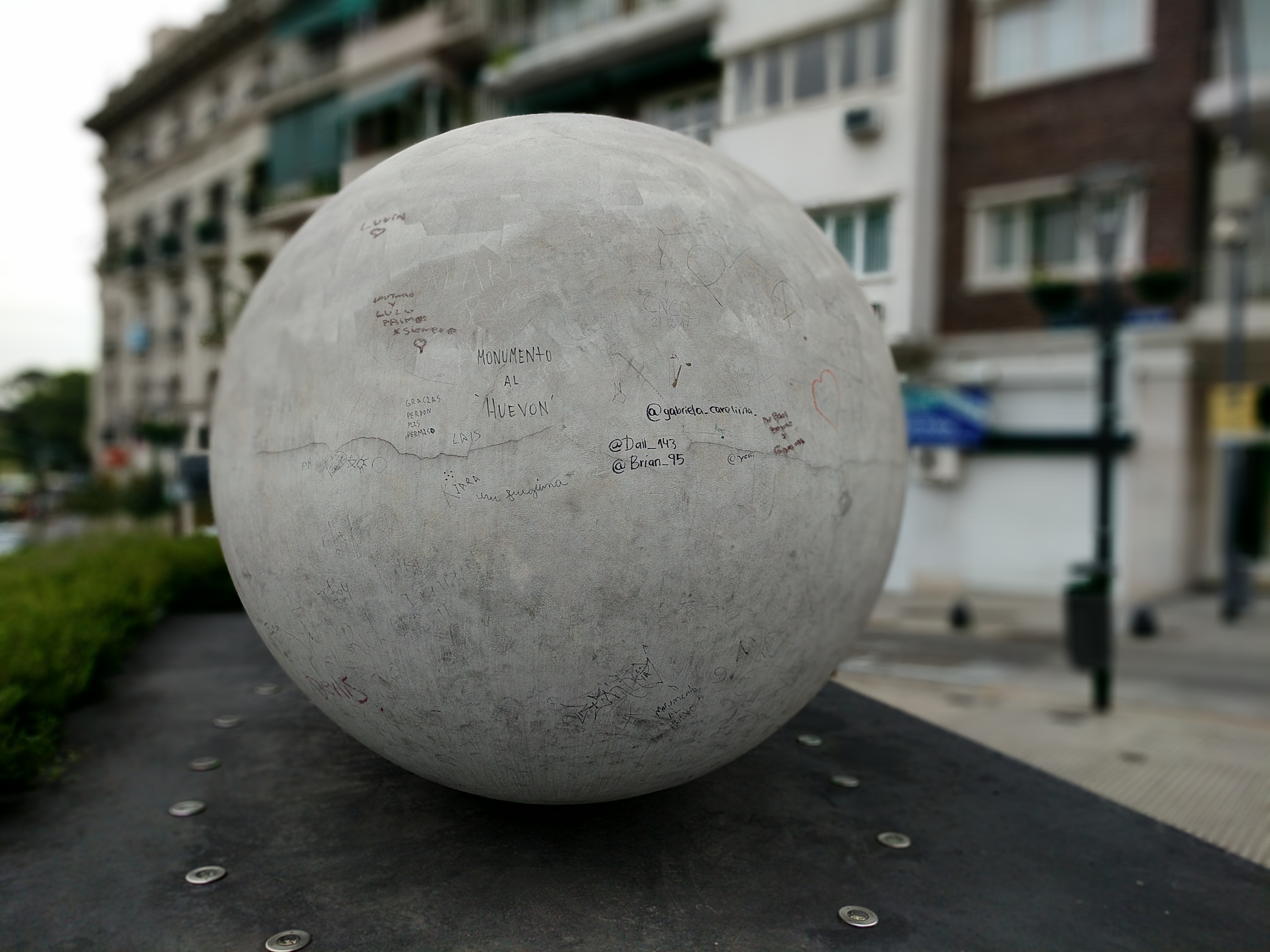
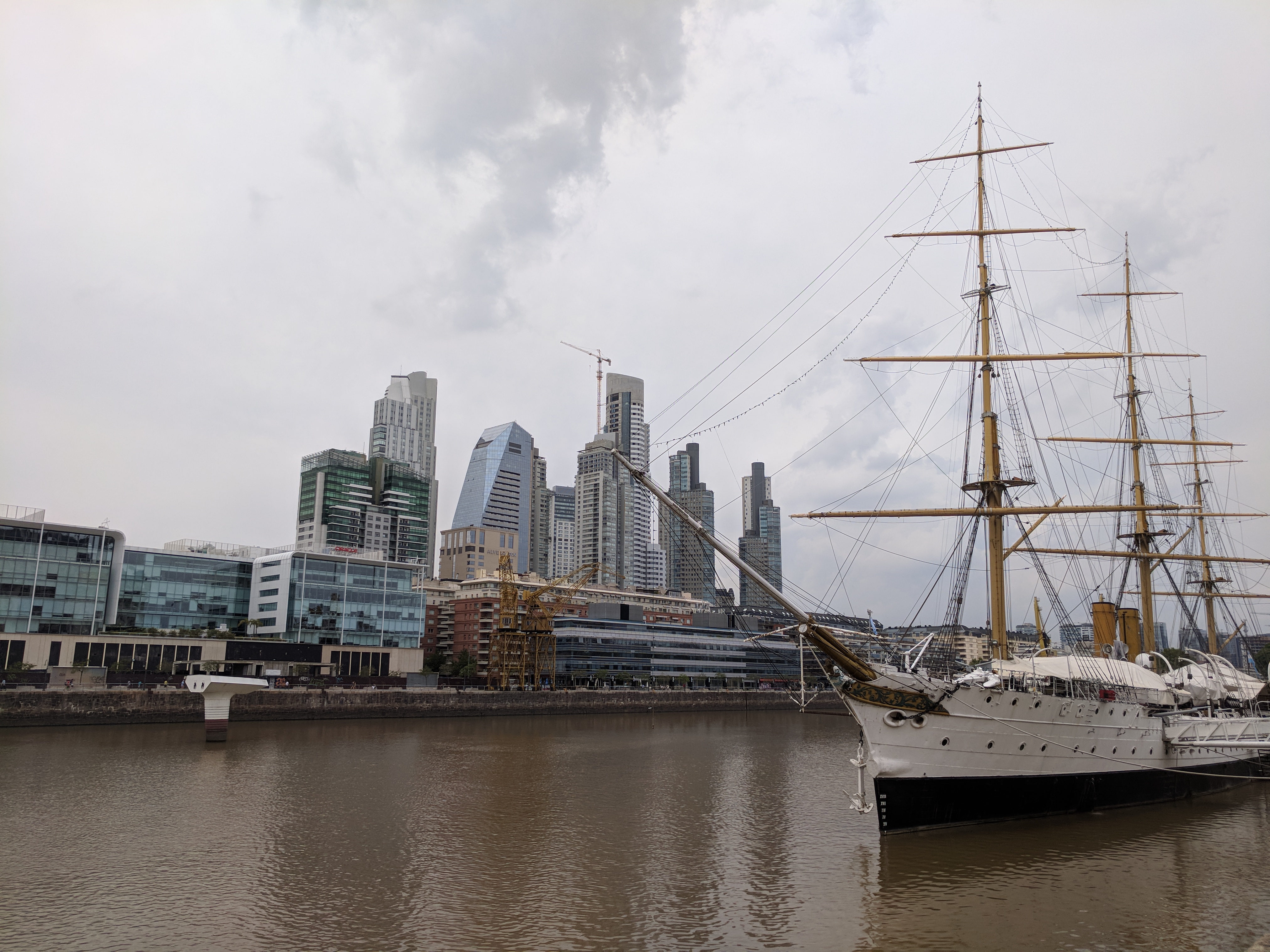
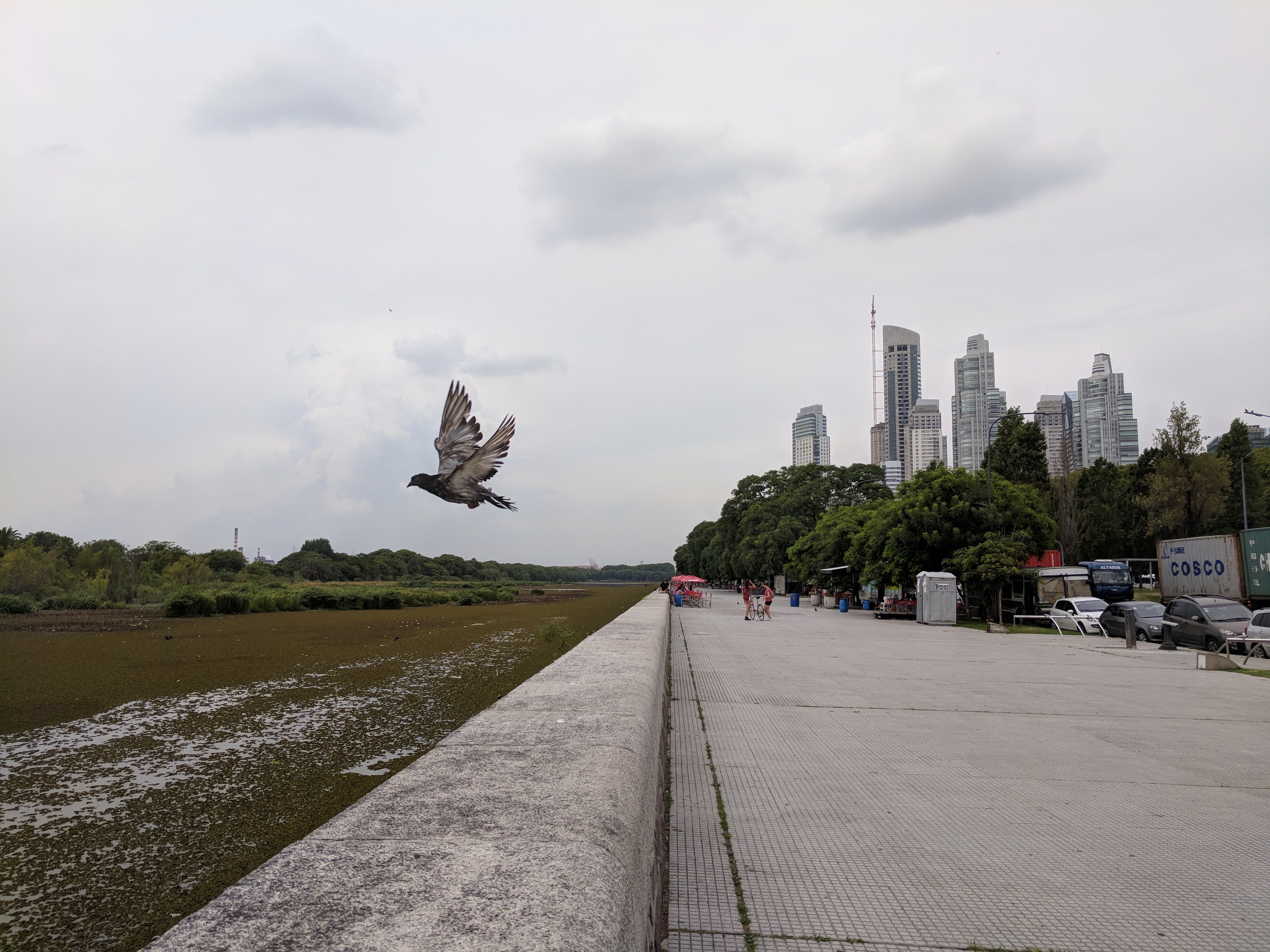
On our last day in this part of town, we walked over to Puerto Madero, the former industrial port which now plays host to gleaming skyscrapers and tech company headquarters.
At this point, we’d been in Buenos Aires for a little under a week. We left the city to explore the countryside for a week (those adventures are in the next post), and then came back for a few days. This time, we stayed in a part of town called Palermo, which is night-and-day different from the area we were in before. According to some, people from Buenos Aires have a reputation for putting on aires, and thinking they’re more sophisticated than the rest of the continent. Apparently that reputation is based soley on people from Palermo. This is all heresay, of course, we never really met anyone who gave us that impression. Palermo is undoubtedly the rich part of town, though. It felt much more westernized (i.e. European/American) than the rest of the city, and was full of fancy restaurants, boutiques, and huge shiny grocery stores like we’re used to in the states, rather than the tiny grocers that offer a limited number of items, which was all we could find in the rest of the city.
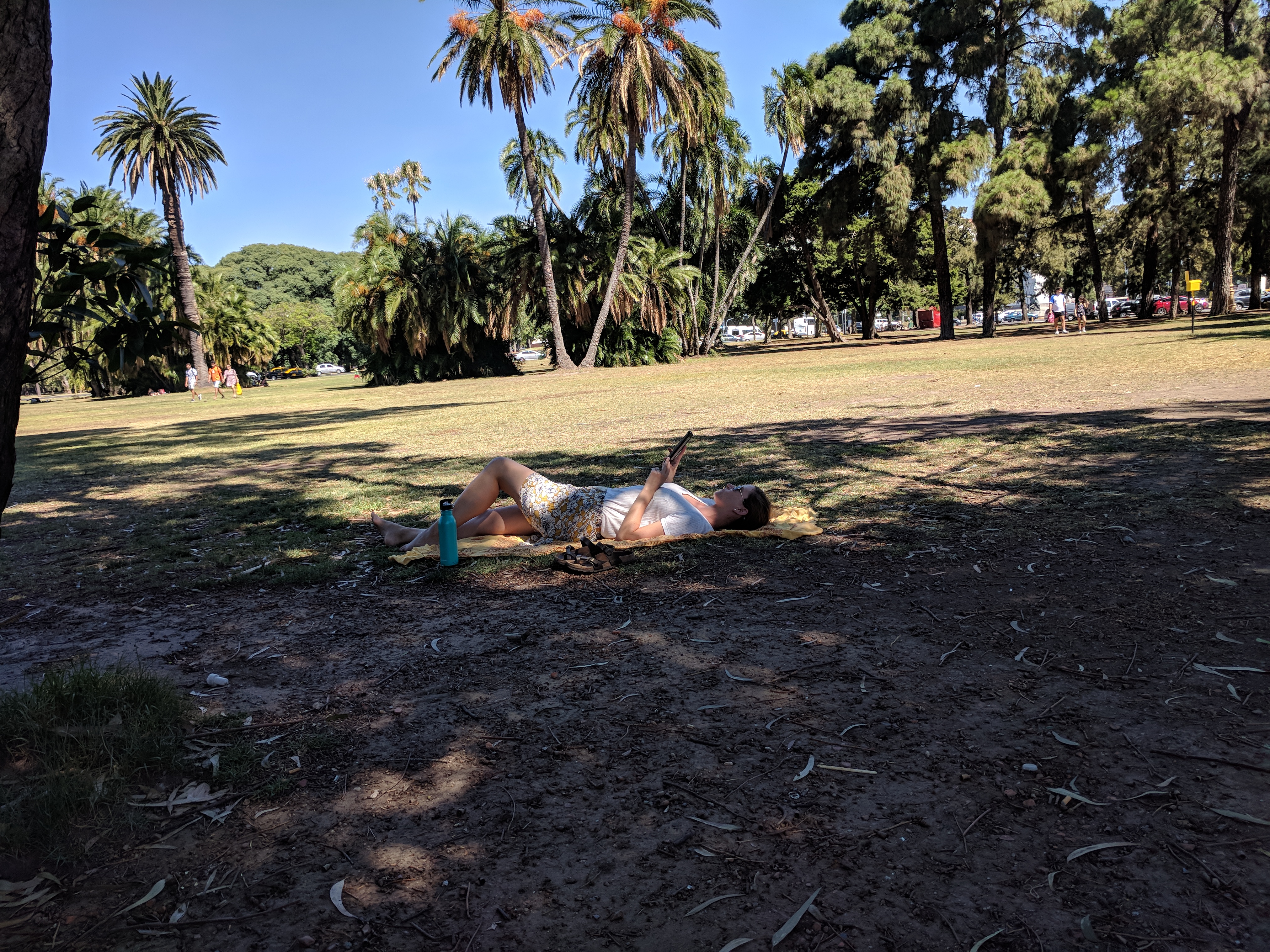
Given that we’d heard from several people that this part of town was too snobby and touristy, we hadn’t really expected to enjoy it. However, we loved our stay here, mainly because of the PARKS! So so many parks. Just look at a map of this area and you’ll see it’s over half green. You can’t walk five blocks without encountering a big, sprawling, tree-filled park, full of locals just hanging out.
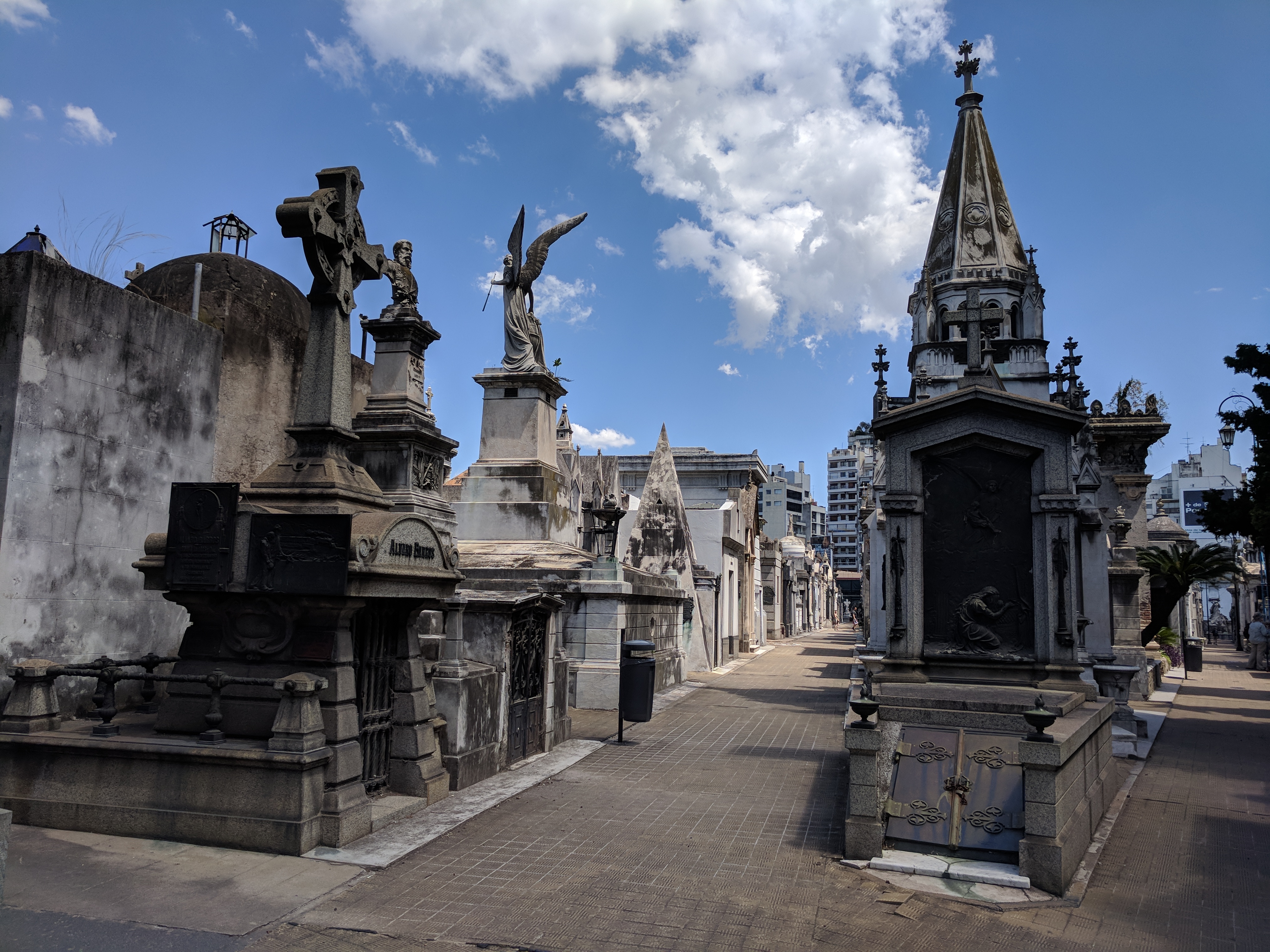
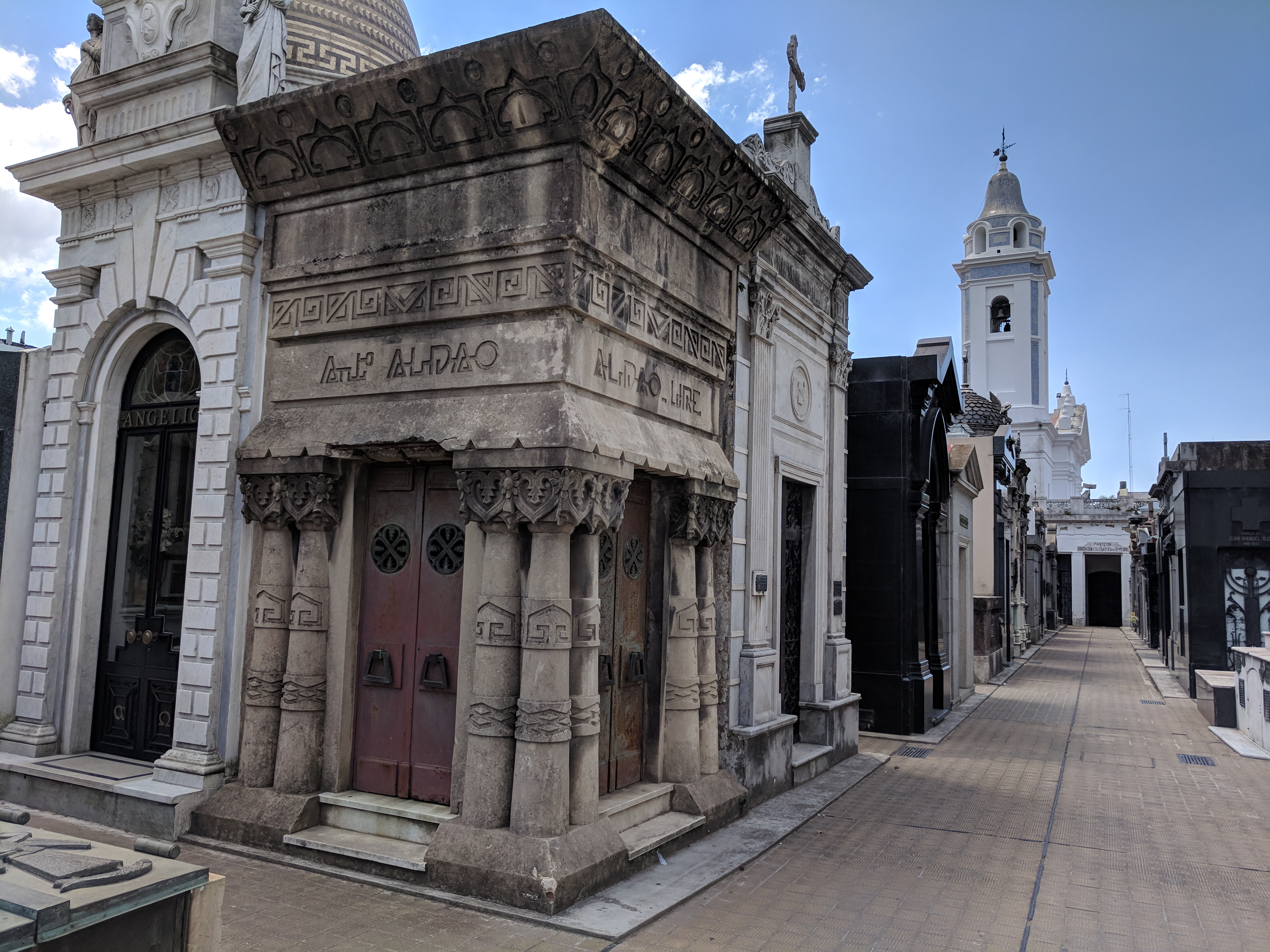
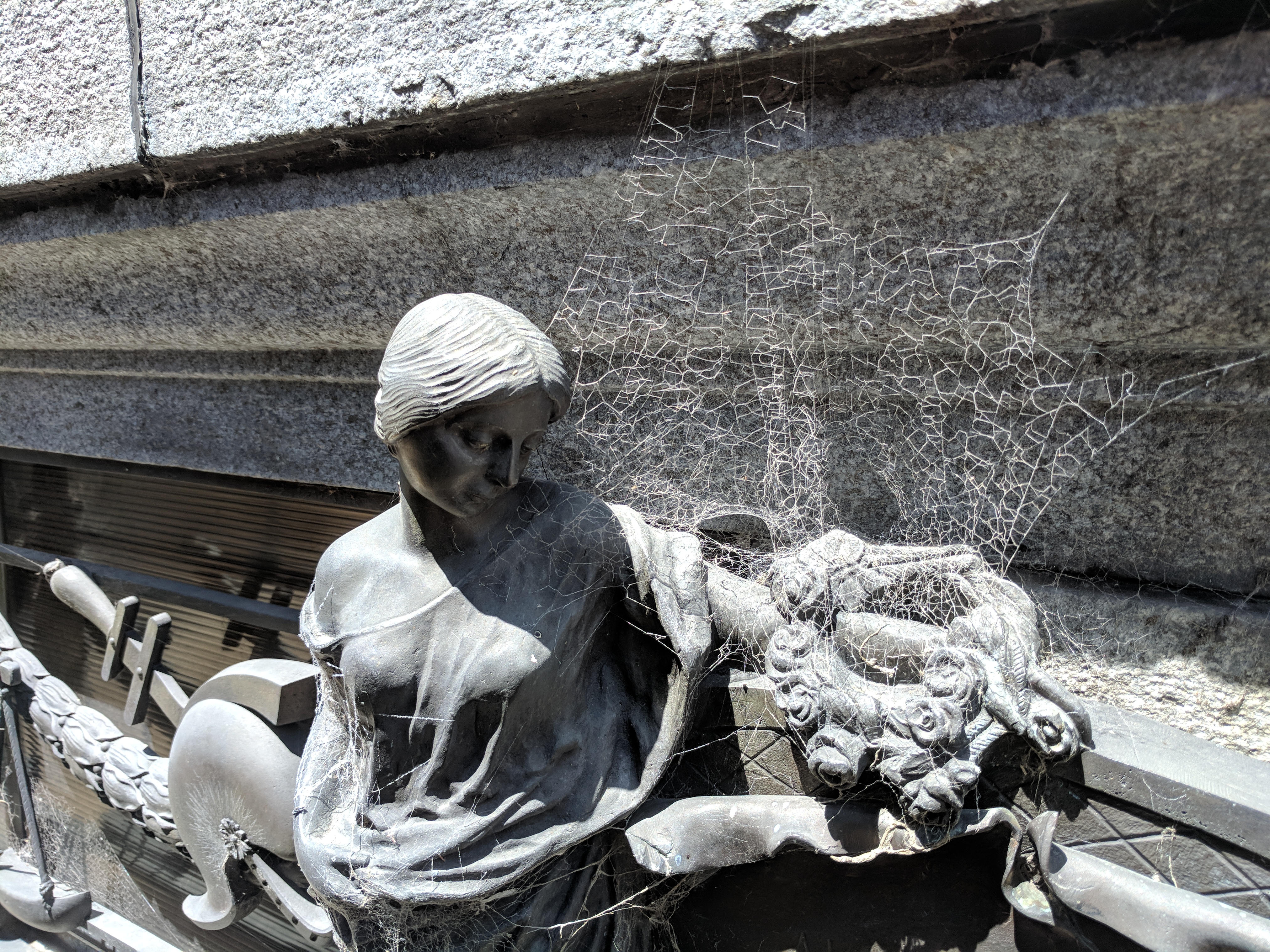
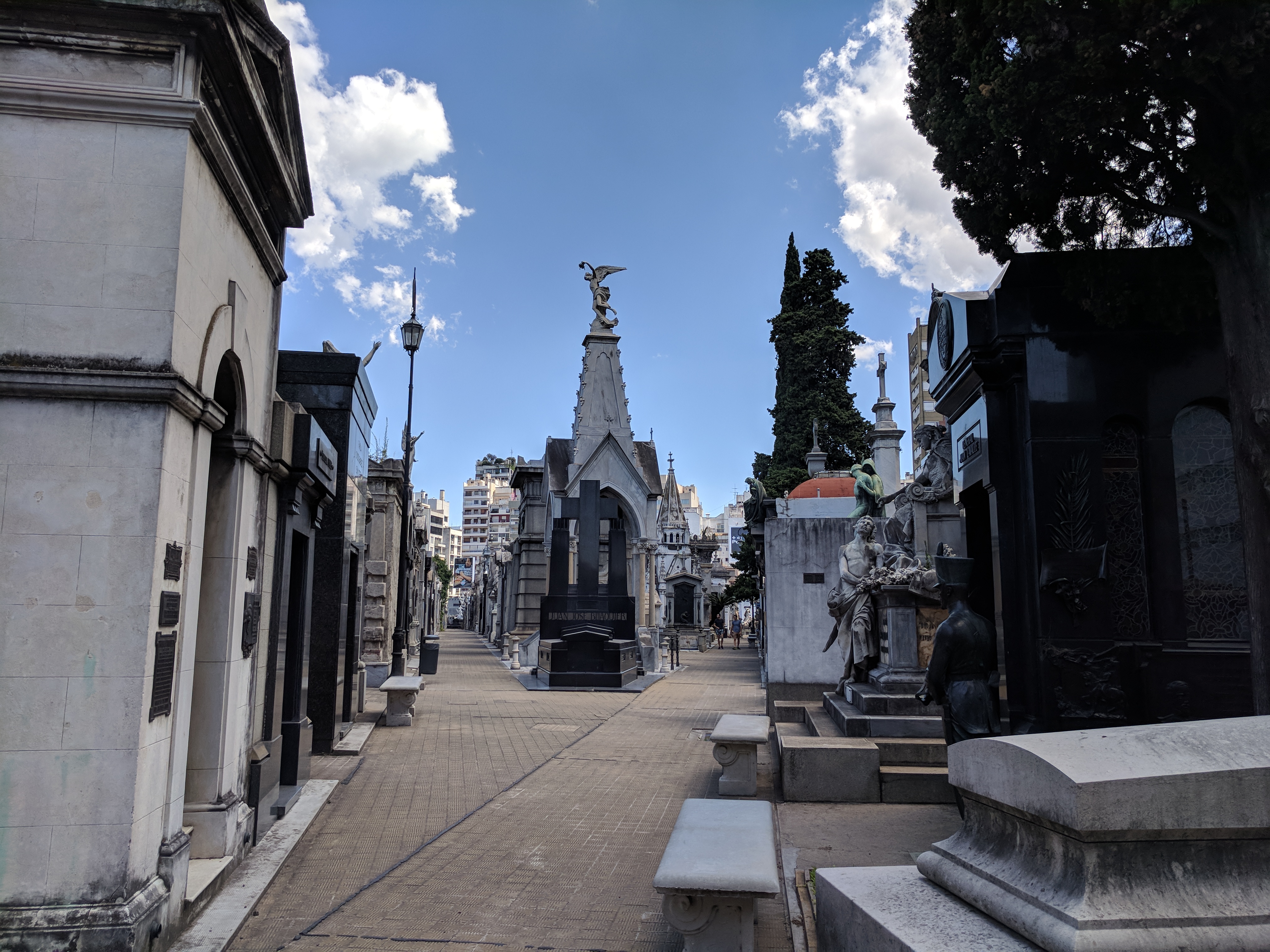
One day we visited one of the main tourist attractions in the city: El Cementario de la Recoleta. This is a massive cemetary full of mausoleums honoring the rich and powerful of the city, its most famous inhabitant being Eva Perón. If you count a mausoleum as a statue, it’s the largest collection of statuary in the world. It was both eerie and beautiful in a wierd cobwebby gothic way.
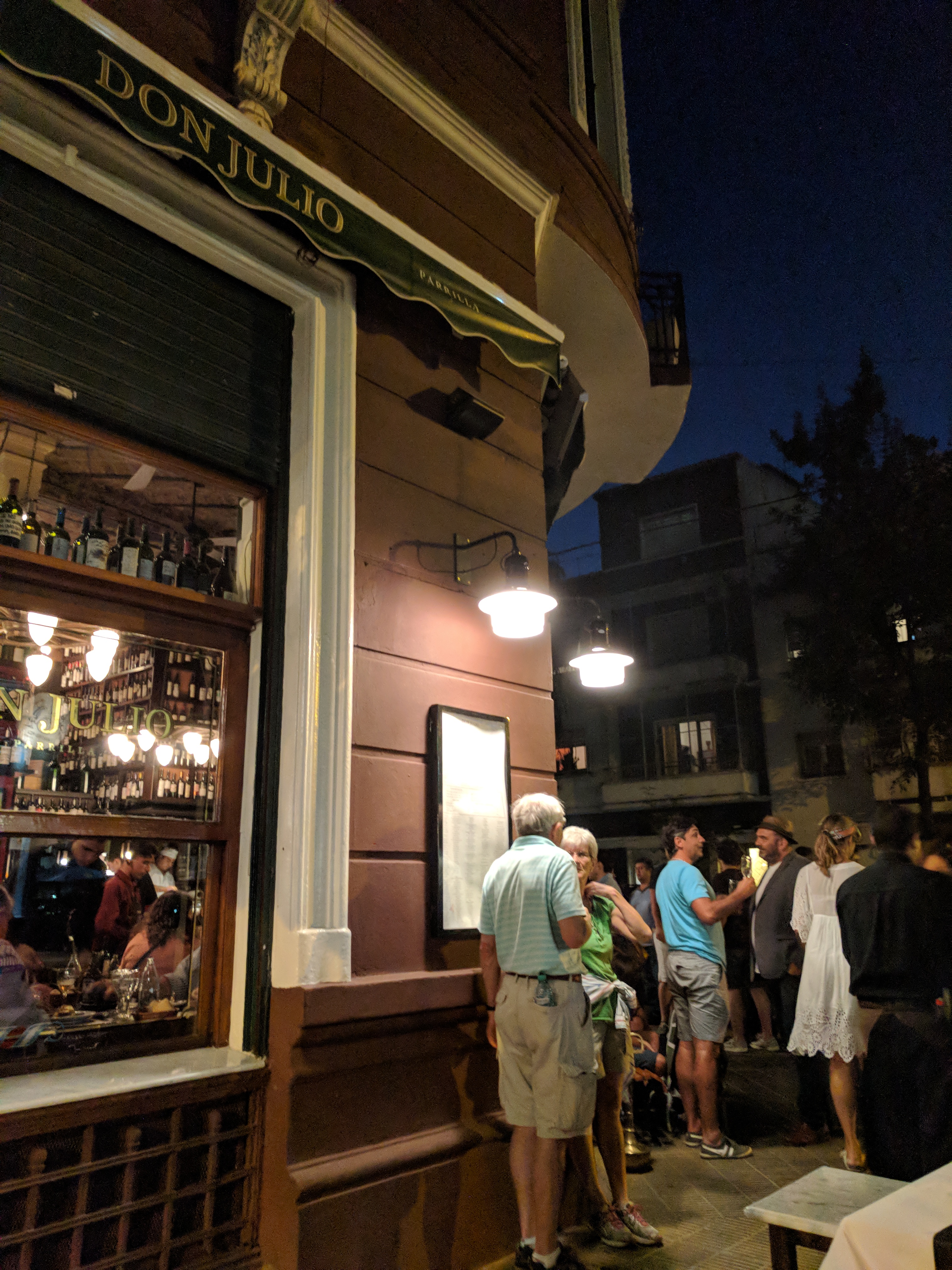
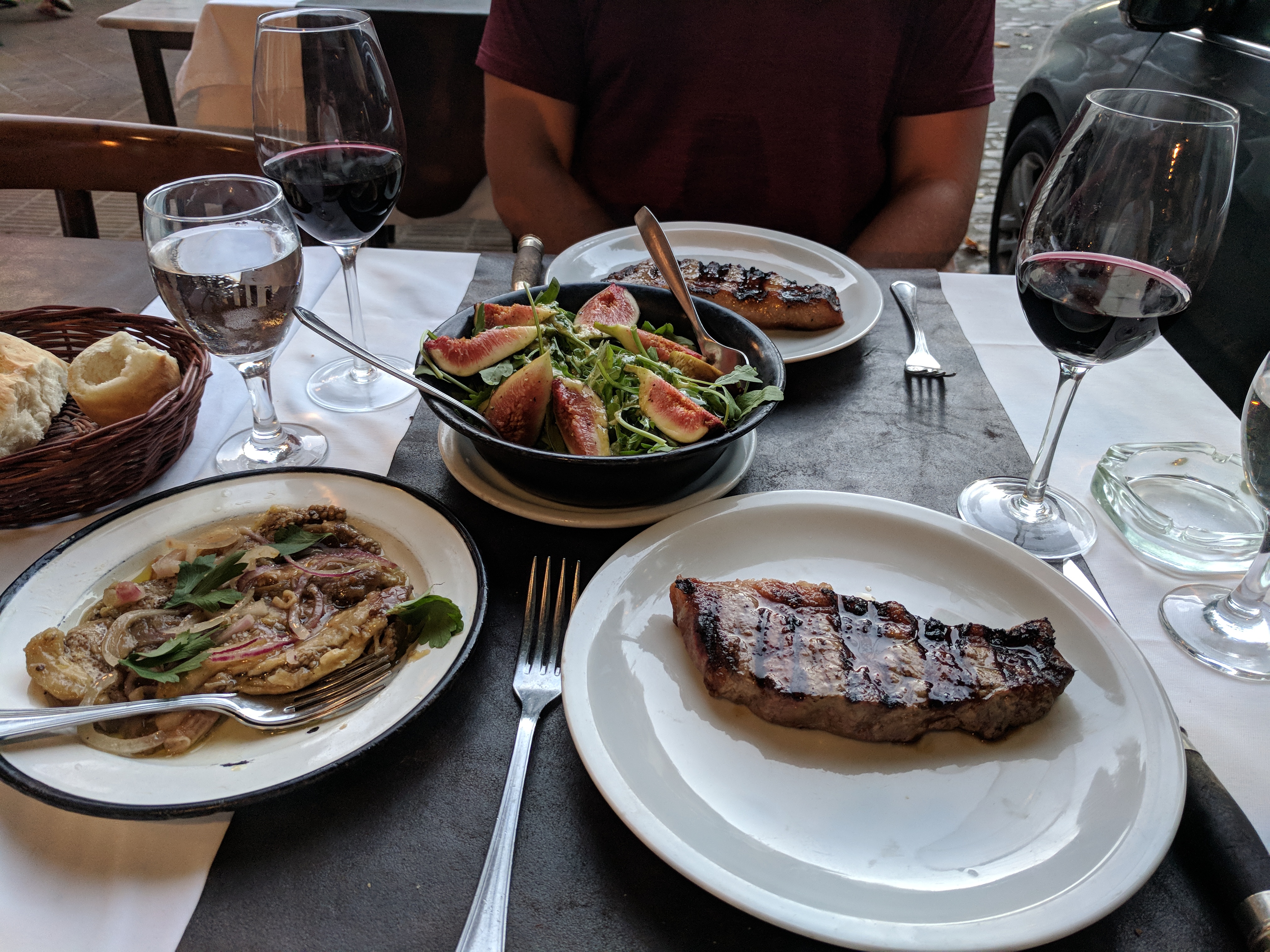
Argentina does a lot of steak, and they are world-famous for it. We couldn’t leave the country without trying a proper steakhouse steak at least once, even if it did go a bit above our usual budget. So we looked up one of the good steakhouses in the area, and showed up bright and early at 7 PM to beat the rush. Argentinians eat late. The dinner rush doesn’t start till after 9, and we always felt like the equivalent of retirees showing up for dinner at 4 PM.
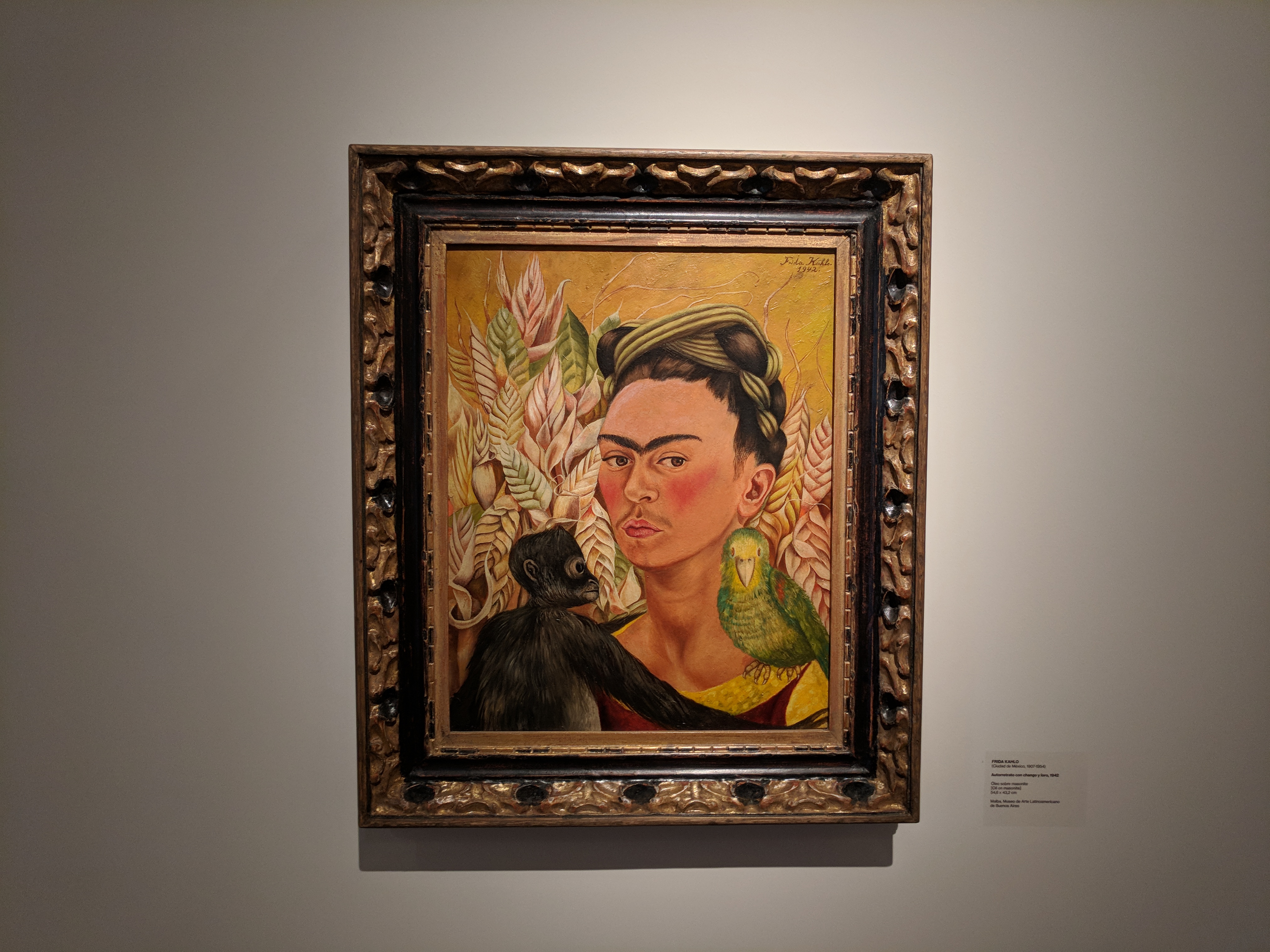
We thoroughly enjoyed our time wandering around this massive city, and were grateful that we’d been able to see two very different sides of it. If you ever have a chance to visit Buenos Aires, go! And eat delicious cheap steak and visit Frida.