We didn’t have much time in Vietnam, and to be frank we were still pretty exhausted from Dana’s adventures with food poisoning, but we wanted to see more of the country than just Hanoi. We decided to spend a few days in Sa Pa, which is known in the backpacker scene for its beautiful setting in the hills surrounded by rice fields, and for its trekking. We’re big fans of beautiful scenery and hiking, so this sounded like the place for us! Sa Pa is a former French outpost located up in the hills almost to the border of China; it stays relatively cool there even when Hanoi is suffering in the steamy heat of summer. It’s a ten hour sleeper train ride from Hanoi, or a six hour bus. We opted to take the train there and the bus back for the sake of variety.
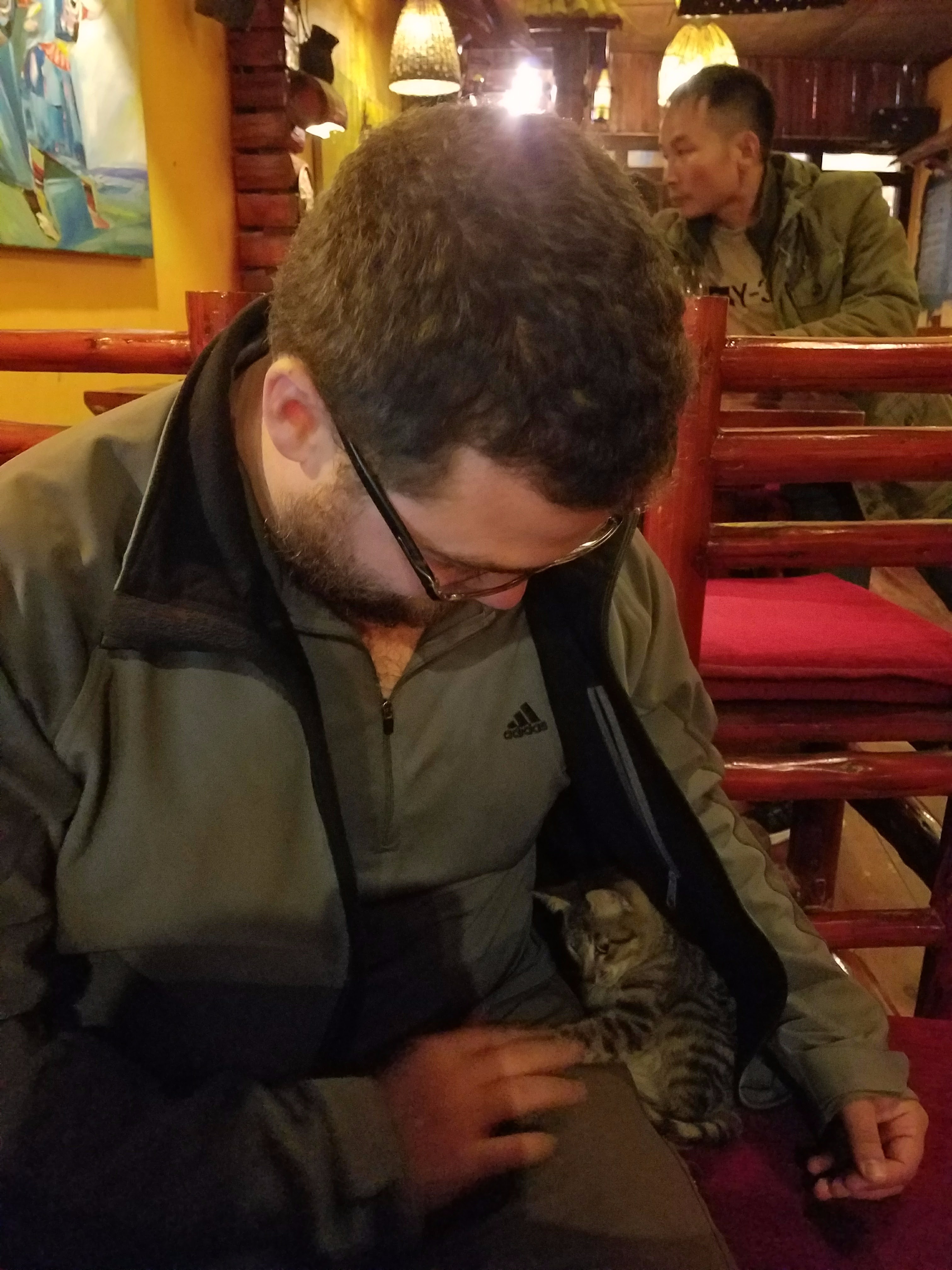
The sleeper train delivered us, groggy but mostly awake (this was a million times better than the sleeper train in India), to a rainy and mist-shrouded train station at 6 AM. We found our way to a public bus, which then shuttled us another hour up the mountain to reach Sa Pa itself. If we were hoping for the famed rice patty vistas, we were going to be disppointed. The whole town was shrouded in thick fog, and a steady cold rain was pelting down. It was about 38 degrees F that morning, which was by far the coldest weather we’d encountered yet on our trip! Shivering and soggy, we found a nice warm cafe with a fireplace in one corner, where we hunkered down with the free wifi and some steamy drinks for a few hours and pretended to be awake. The cozy ambiance of the cafe, the friendly proprieters who insisted we sit closest to the fire, and the absolutely delicious coffee and tea warmed us up inside and out.
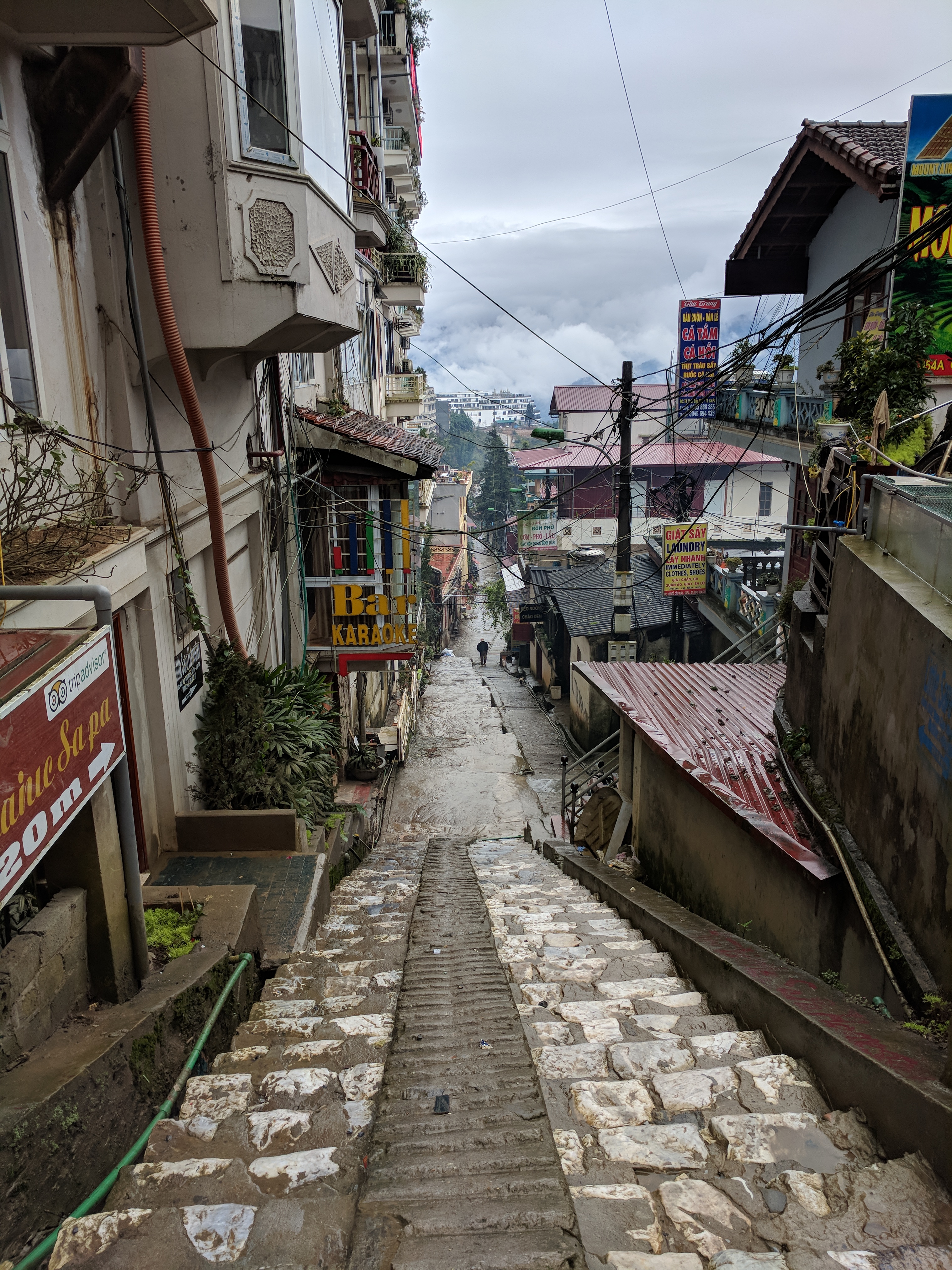
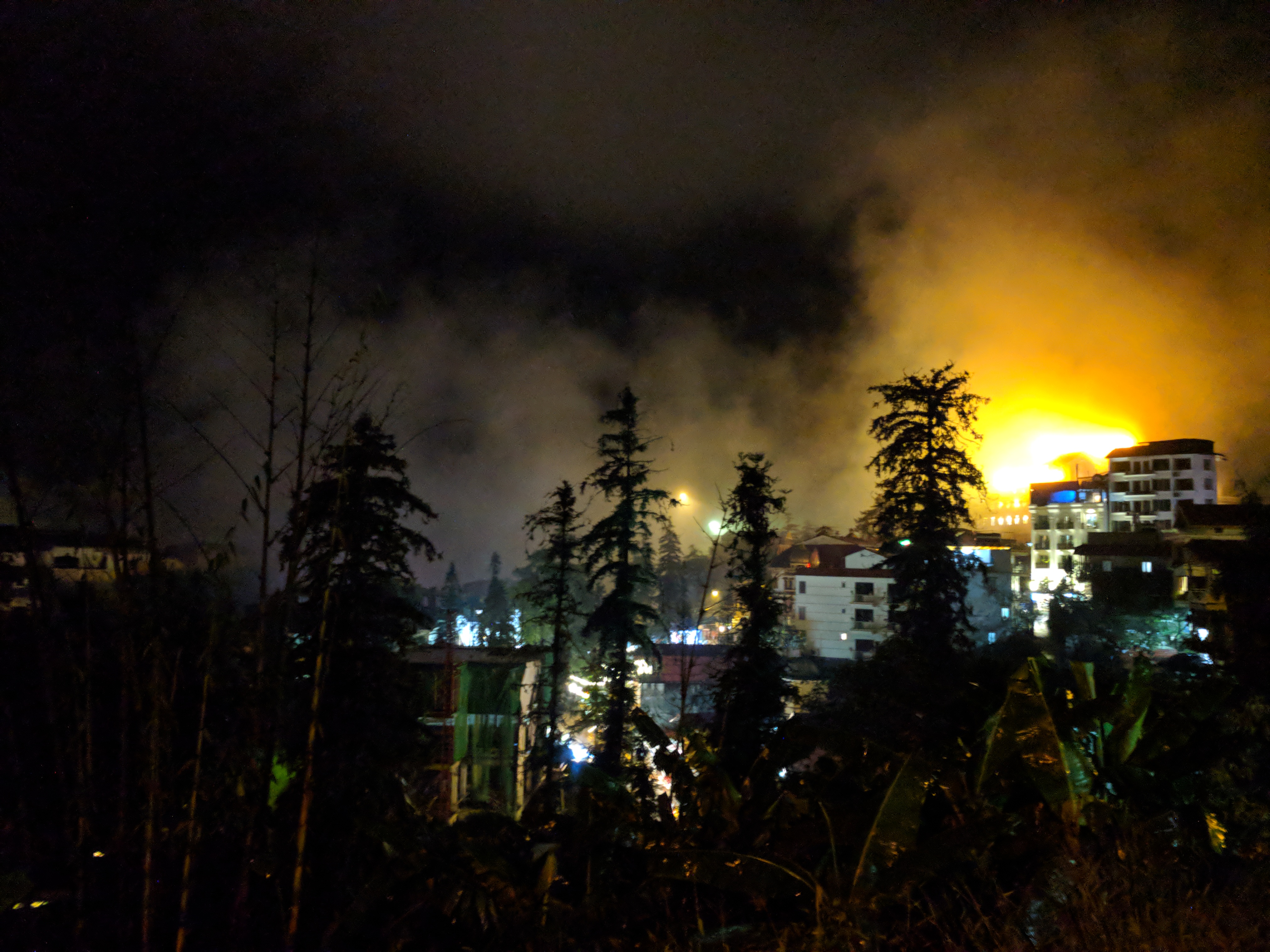
We were eager to explore this mysterious town, with its steep muddy streets and weatherbeaten colonial buildings. We checked into our hostel, got a few hours of snoozing, and then spent the evening wandering around.

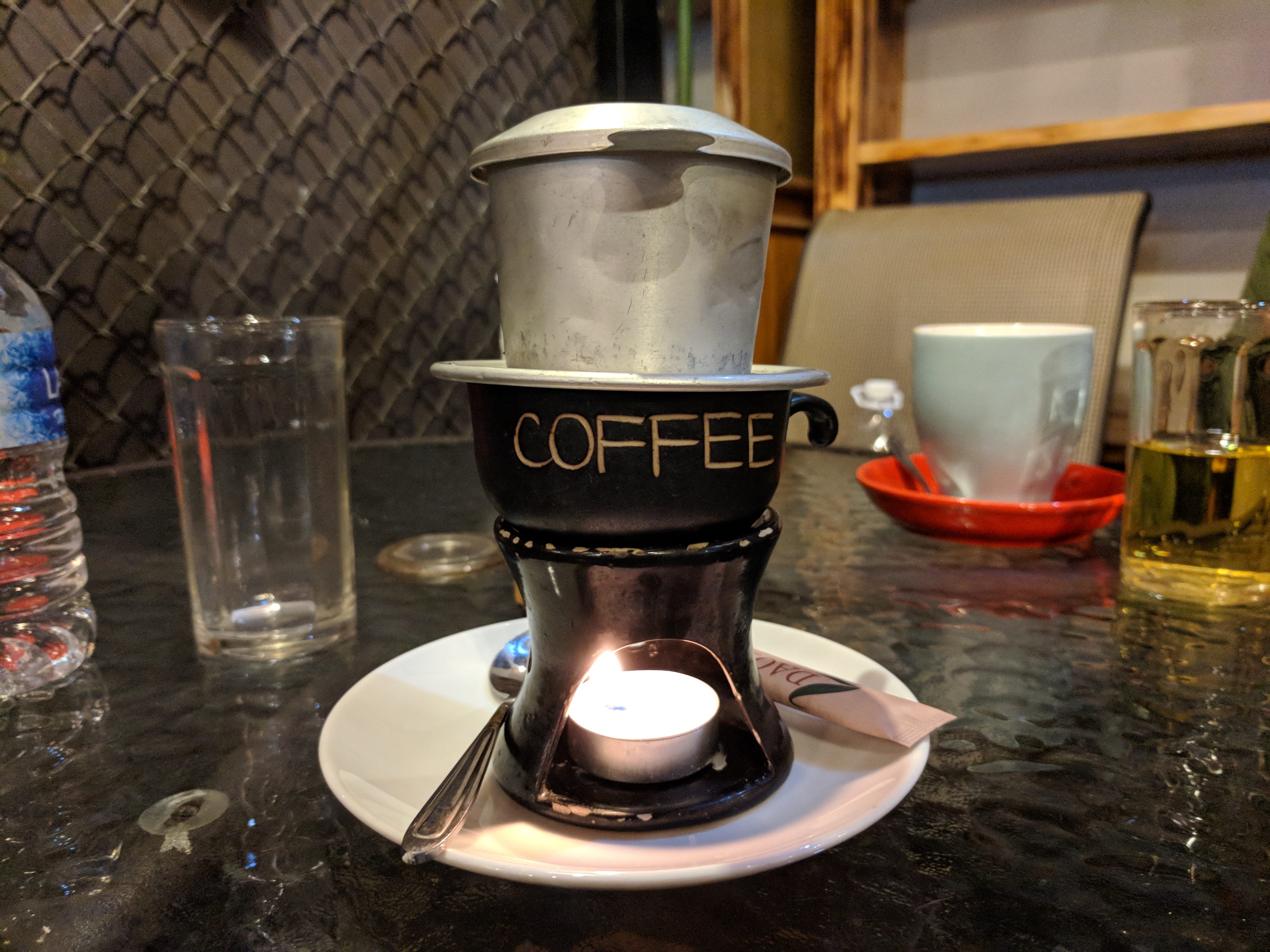
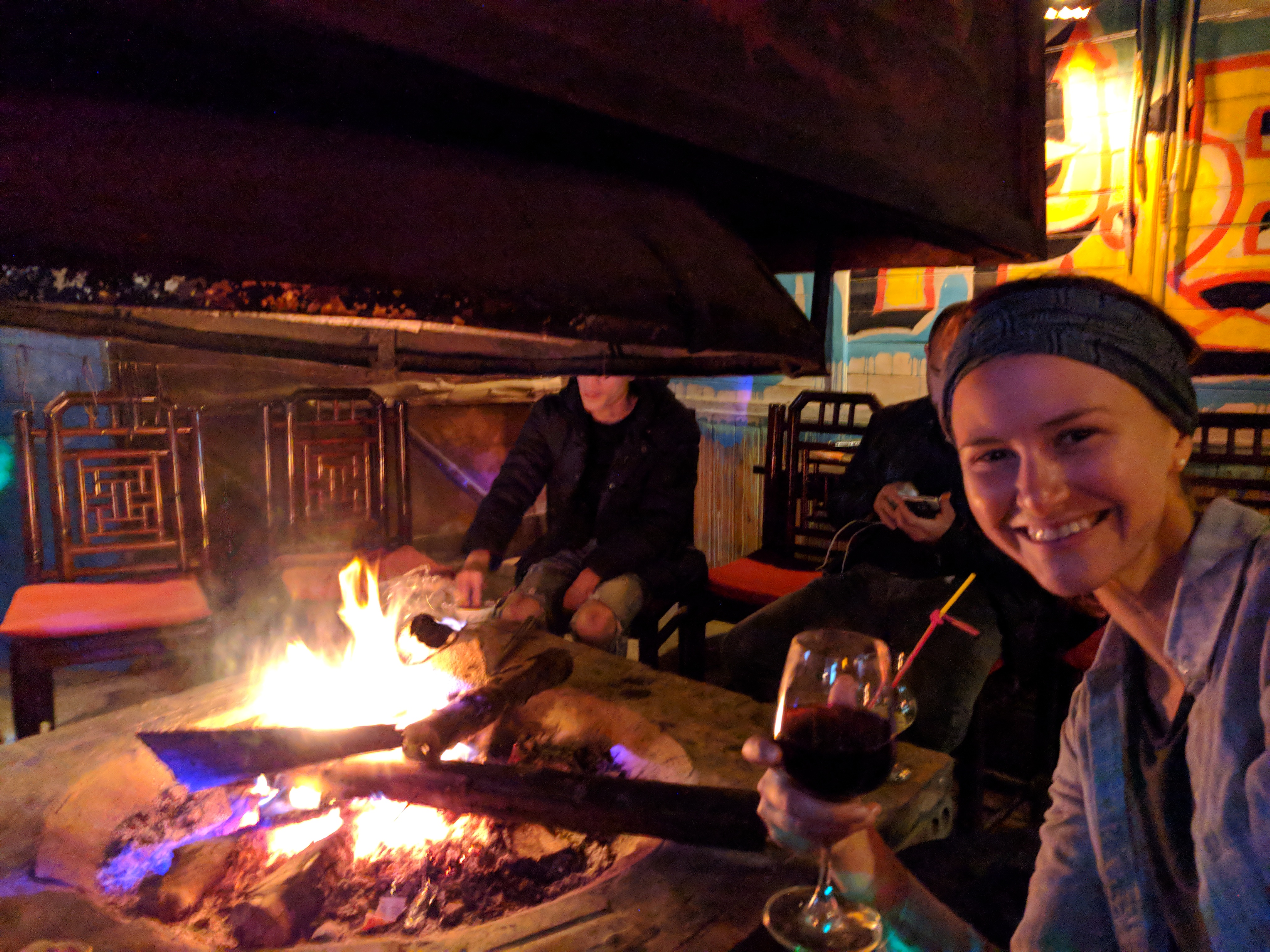
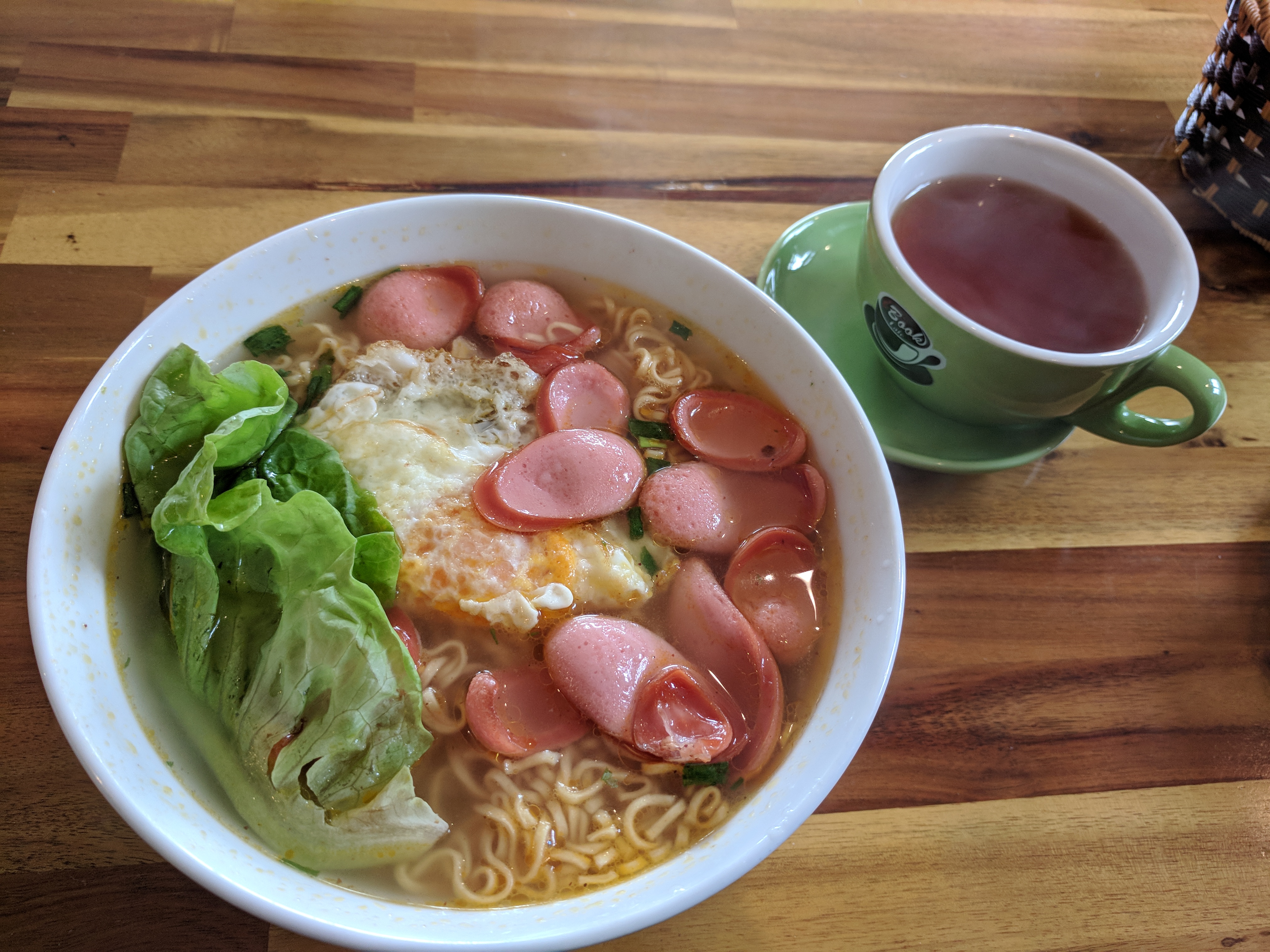
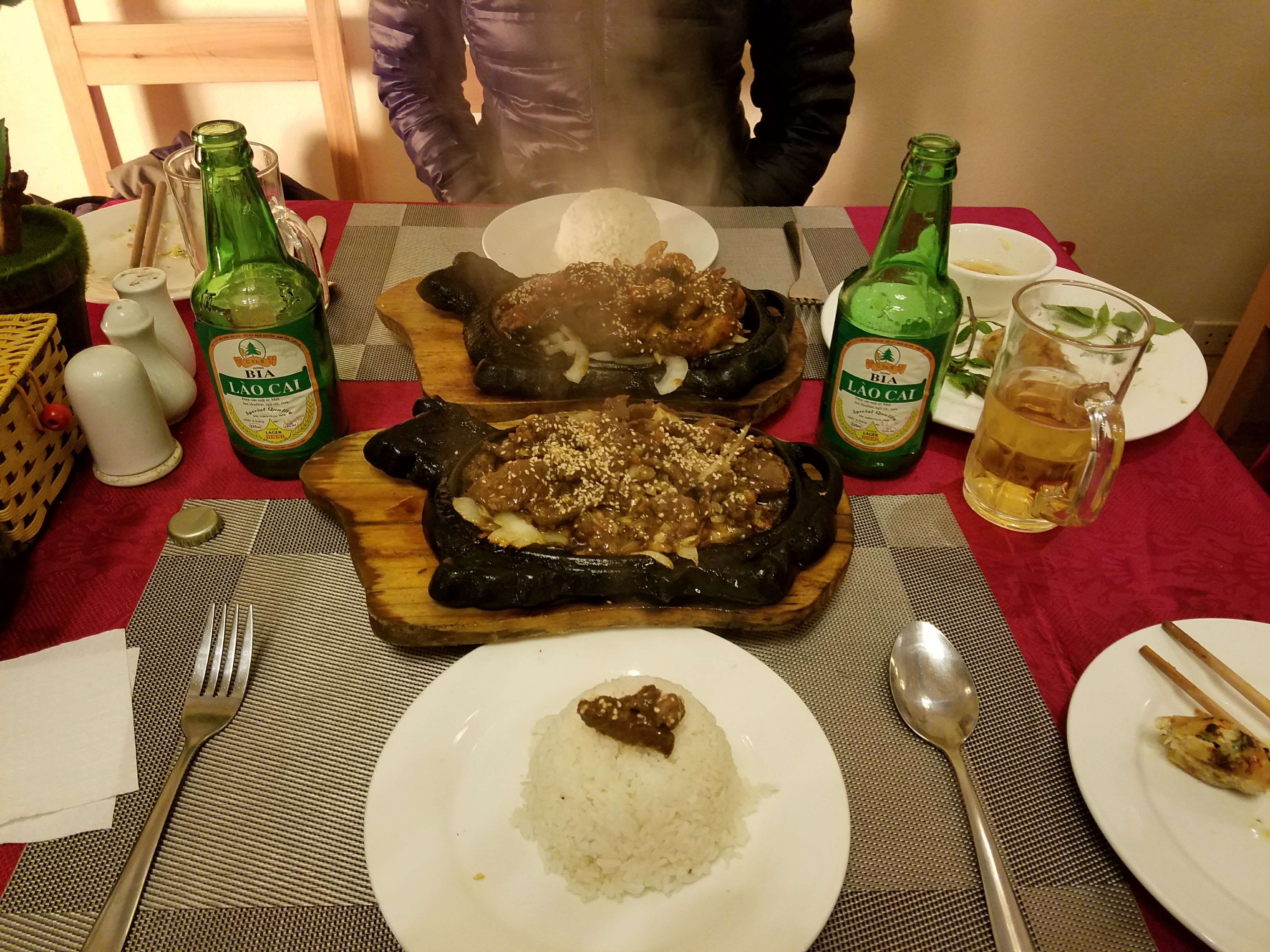
There is no central heating here, so fireplaces are key. We ended up choosing most of the bars and restaurants we frequented based on how well-stoked their fires looked. They are also masters of cold weather drinks here. Nothing like some hot mulled wine to take the edge off the cold, and the tea and coffee here were second to none. They use condensed milk, honey, fresh spices, and maybe some magic to make the most deliciously sweet and potent coffee and tea we’ve ever tasted.
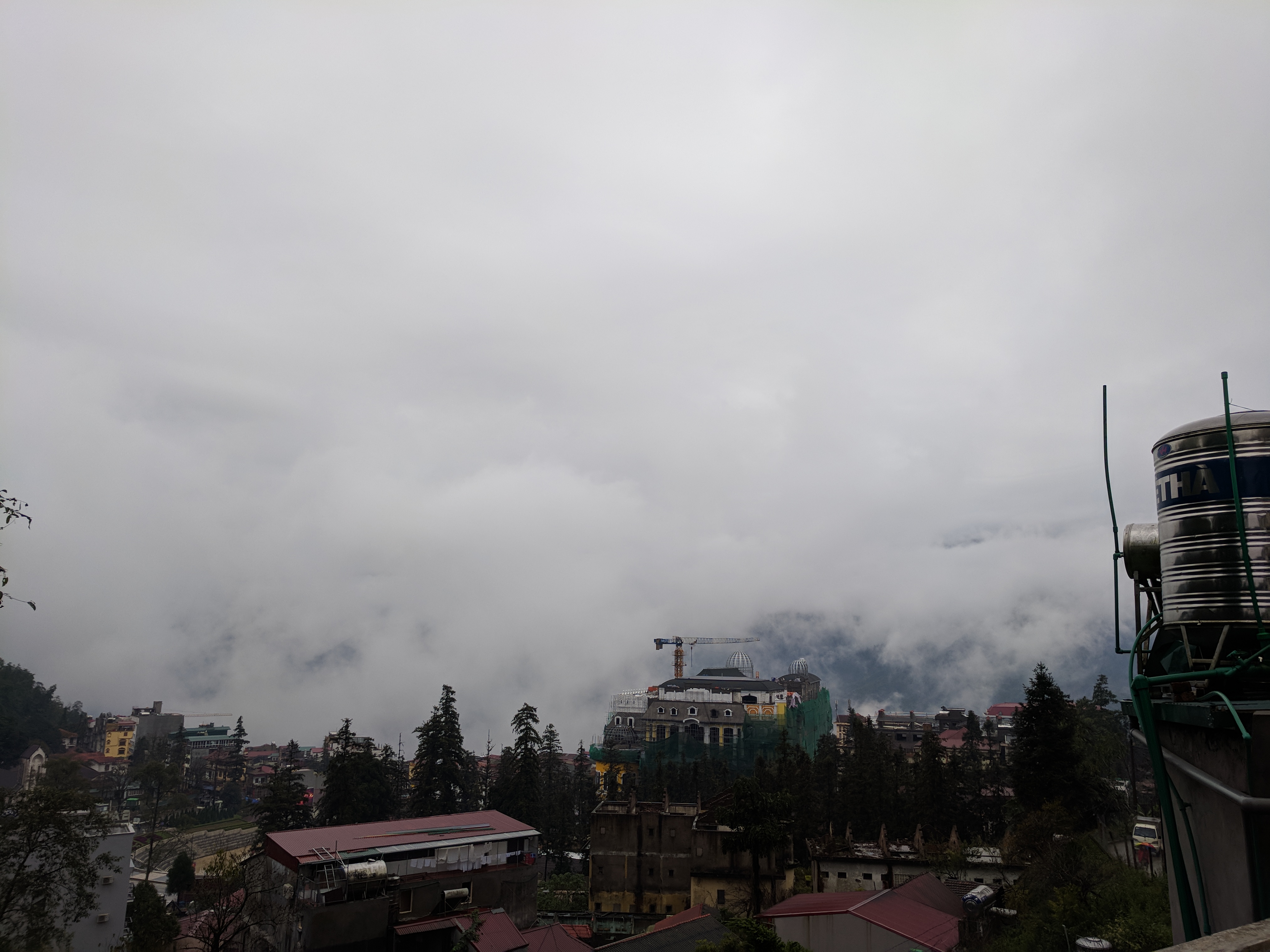
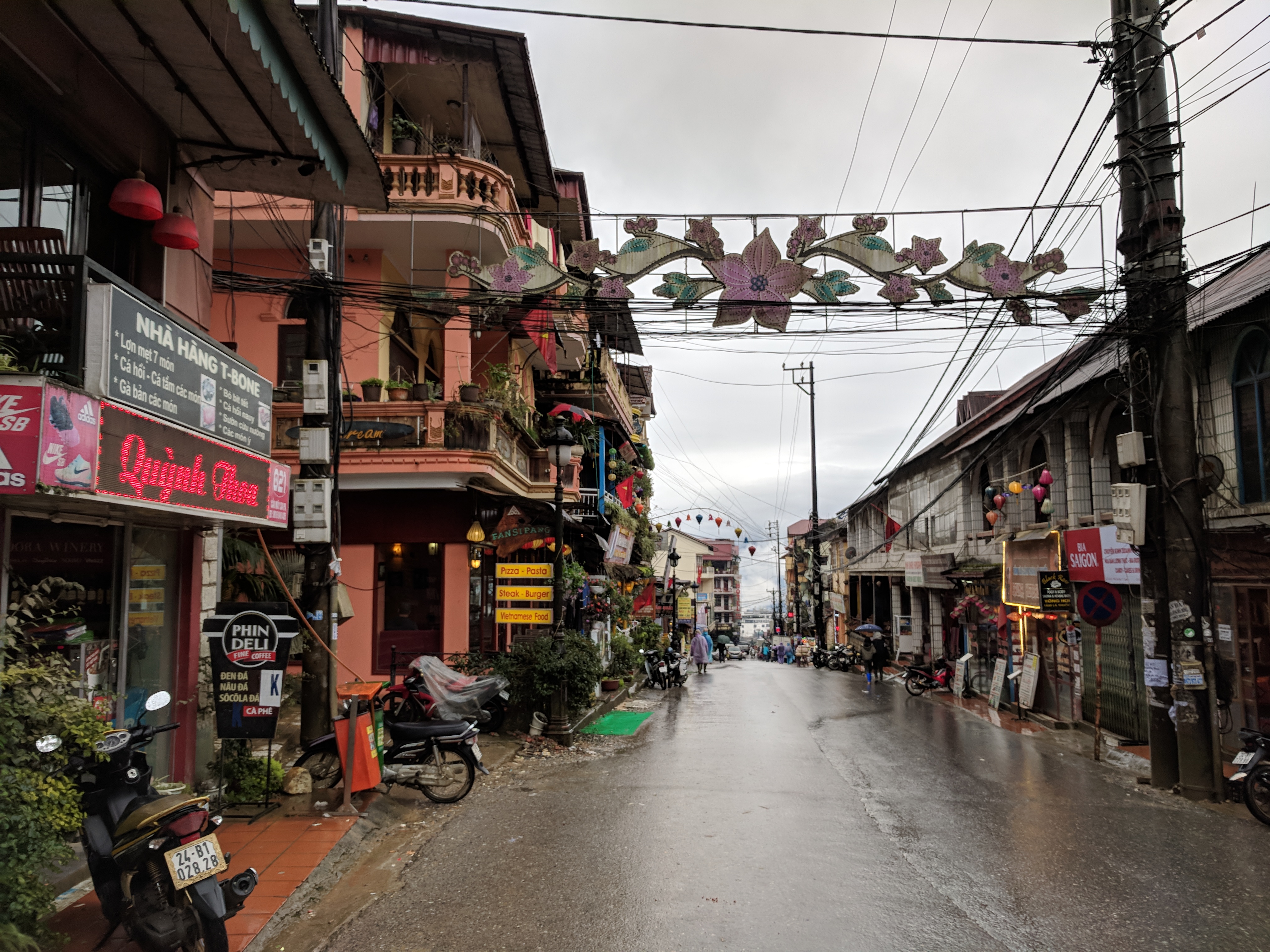
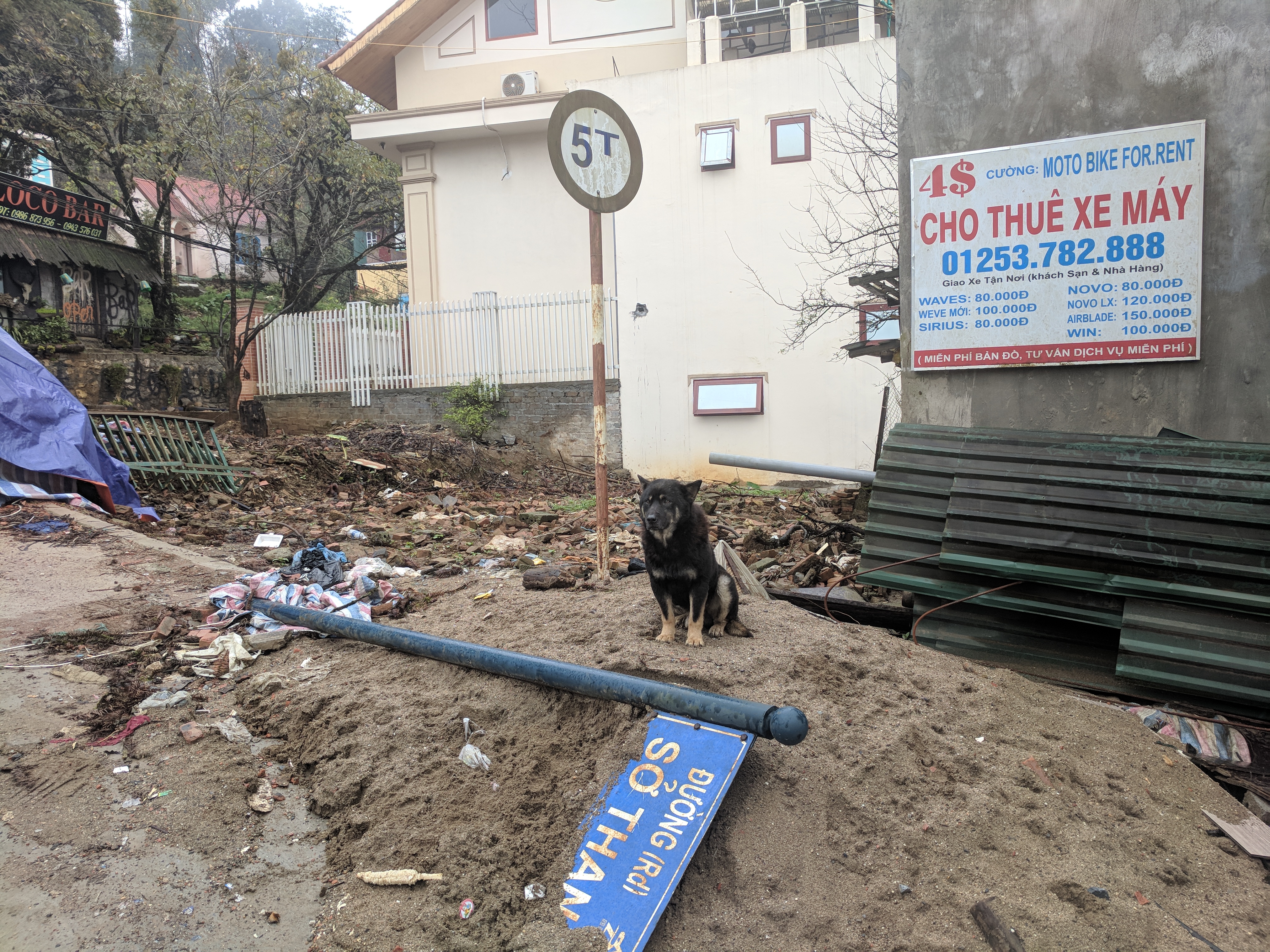

The fog persisted all through the next day, accompanied by a light drizzle that thankfully never got too heavy. We pulled on our raincoats and sneakers and went off in search of some of the famous “trekking” this town is so well-known for. Most people who come to Sa Pa arrange to go on a guided trek, usually lasting 1-3 days and staying at homestays in the evenings. This is a great way to see the lovely countryside surrounding the town, but it costs a few hundred dollars per person. After a little research we learned that there are plenty of walks just outside town that you can do without a guide; there are several Hmong villages, the native people of the area, within a few kilometers of Sa Pa which you can walk through, and many trails through the rice paddies.
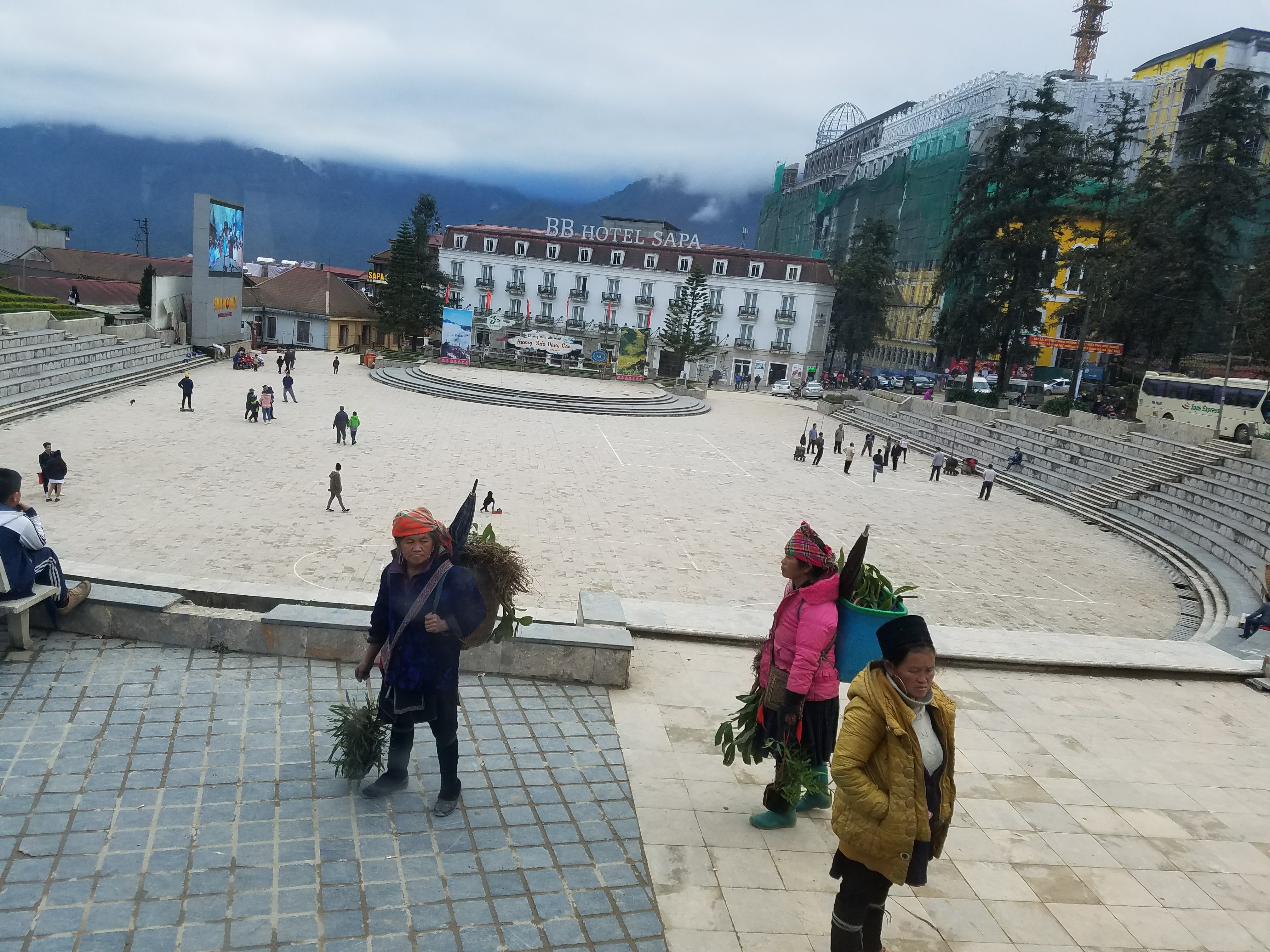
We set off to explore, and as we were walking on one of the main roads out of town, a couple of Hmong ladies fell in with us and started asking us where we were from. We chatted with them for a bit, and they told us about their lives in one of the nearby villages. They walk six kilometers to get to Sa Pa every morning, go home for lunch, back after lunch, and back again in the evening. That’s 24 kilometers every day, with packs full of needlework that they sell on their backs! Then they started talking about how they lead tourists like us on treks every day, and we realized we were in trouble, because these were some very determined saleswomen. We tried to politely refuse their services, but that clearly wasn’t going to work. Then we tried every impolite way to get rid of them, telling them we didn’t want a guide, and we just wanted to walk by ourselves. They were not discouraged, and told us point blank they would follow us wherever we went. They promised that at the end of the day, they would take us to their shops, where we could do some “nice shopping”. Soon it seemed pretty clear that either they would follow us around for a few hours and then drag us to their shops, or we would need to buy something now to get them to go away. After a bit of haggling, we walked away with two little needlework change purses, feeling pretty bemused by the whole situation. We had pretty much paid these lovely women to leave us alone! As we were walking down the path a little further down, they passed us following another tourist couple, clearly their next vicitms.
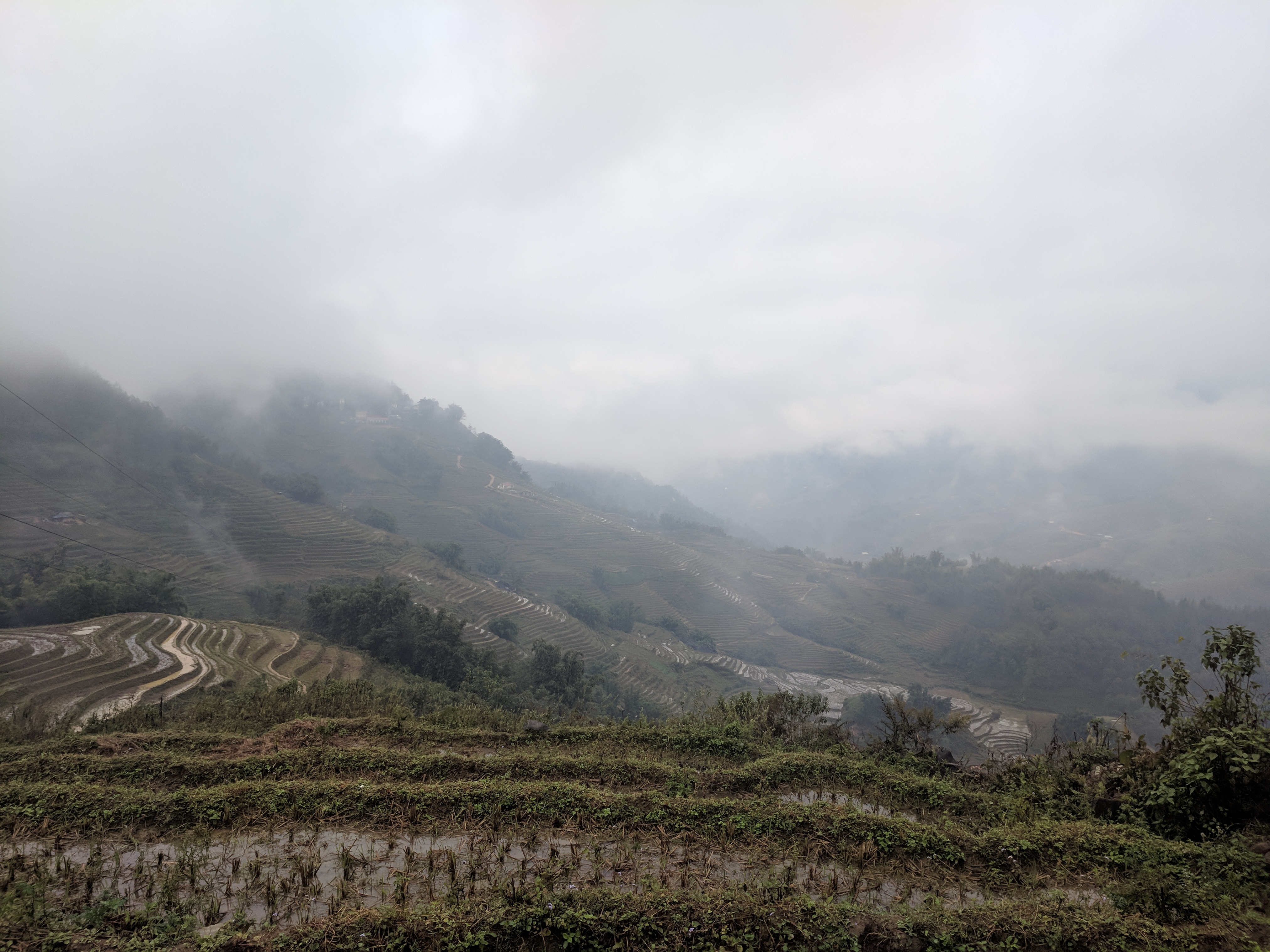
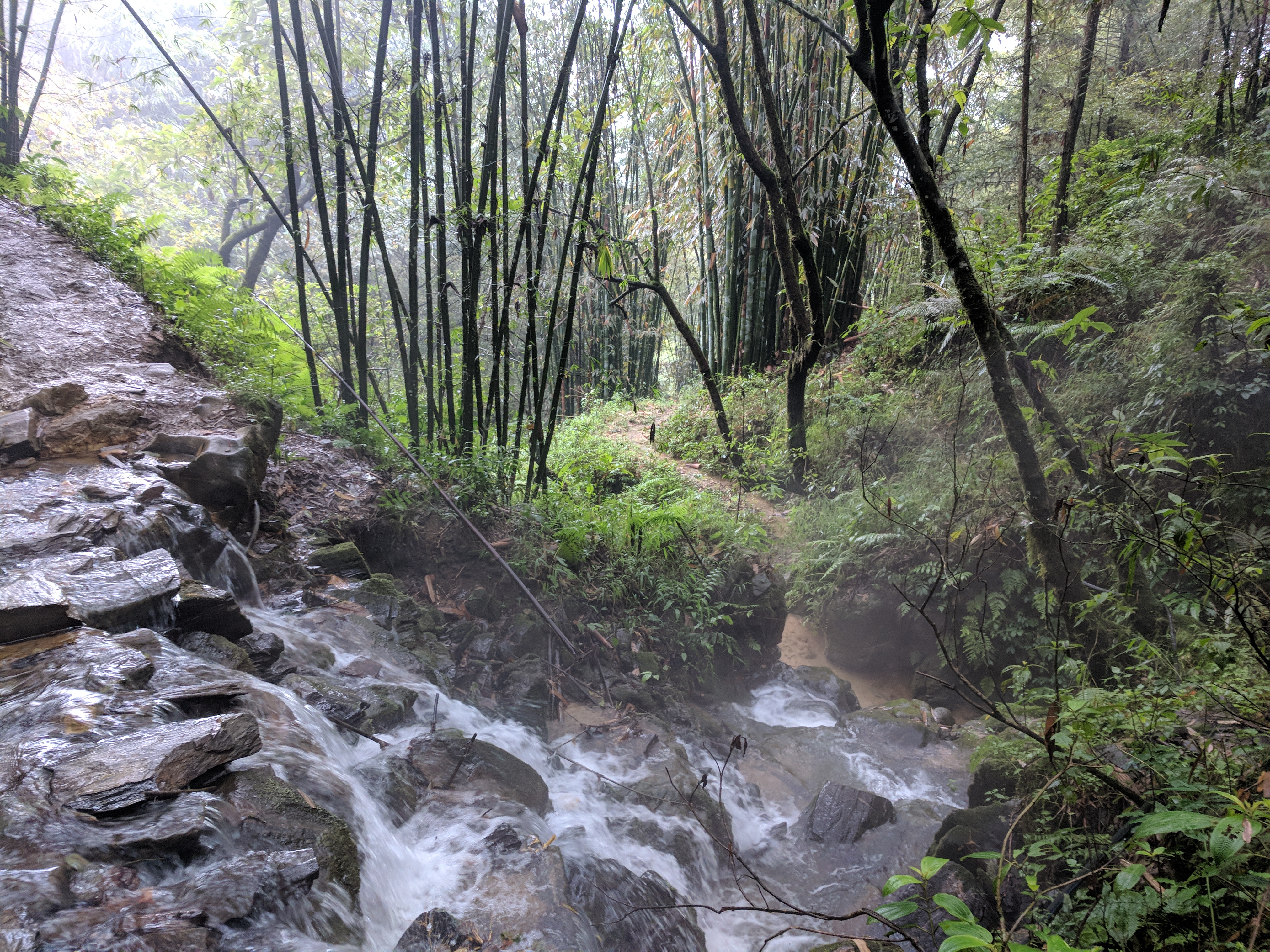
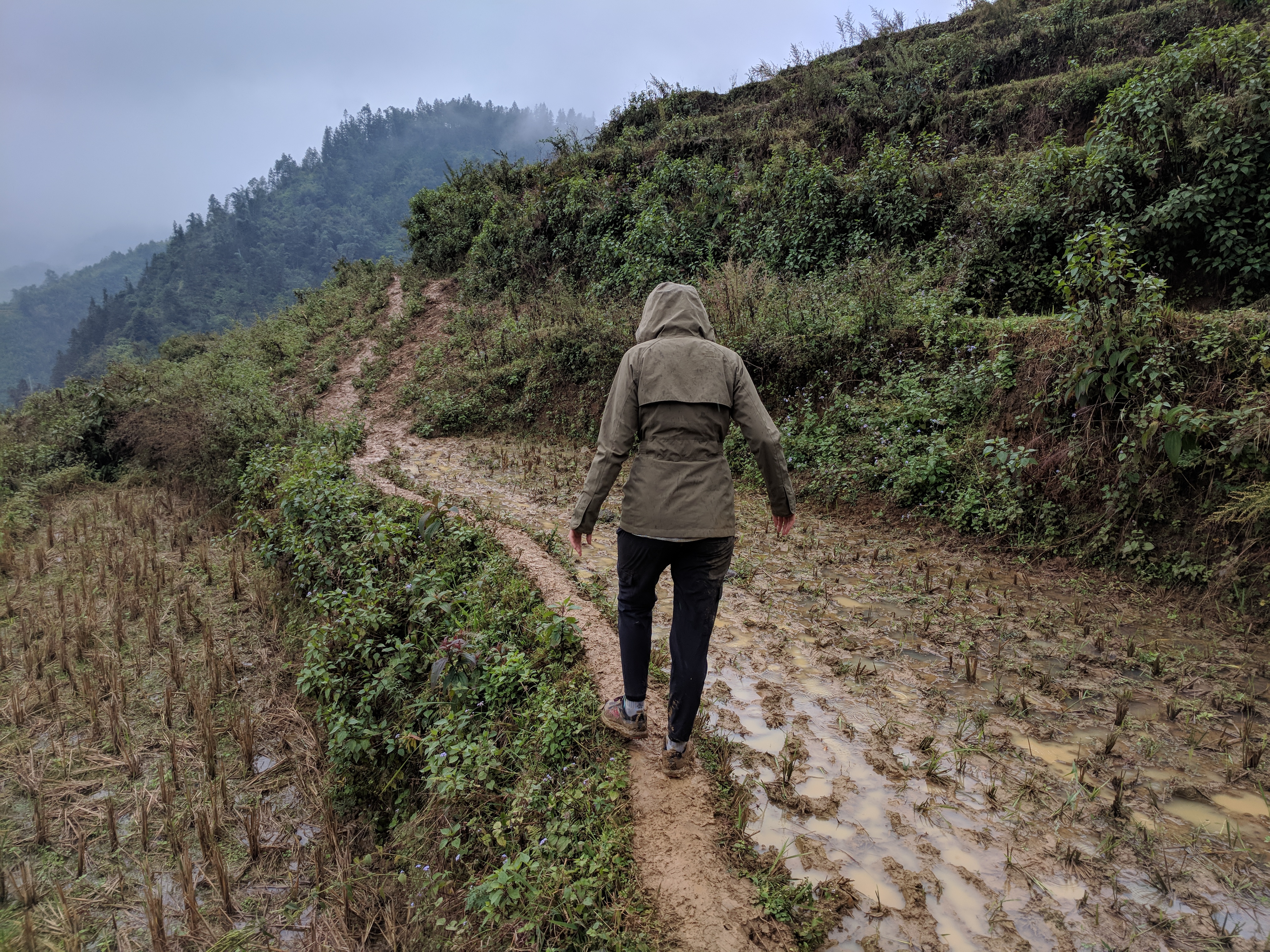
We followed a narrow track that led to Cat Cat Village, a Hmong village in the valley below Sa Pa. But where it started nice and wide and even, it soon became little more than a muddy goat trail, slipping and sliding down the steep banks of the rice paddies. This might be a trail in dry weather, but when it rains it becomes more of a mud sluice. It suddenly dawned on us why all the locals wear gum boots–they are not really optional out here! Our sneakers offered no traction, and we were soon up to our ankles in soupy mud. Dana was in the process of falling/slipping down the hill when we were passed by a few farmers, who took one look at her muddy backside and started to laugh. We all shared a chuckle, and then they continued nimbly down the slope, never once faltering on the muddy slip-n-slide that was supposedly the trail. Once we got away from the town of Sa Pa itself, the locals we met out in the paddies were very friendly. They smiled and exchanged a xin chào (hello) with us, and pointed us towards Cat Cat, not seeming to mind at all that there were silly foreigners tramping along their rice paddy trails.
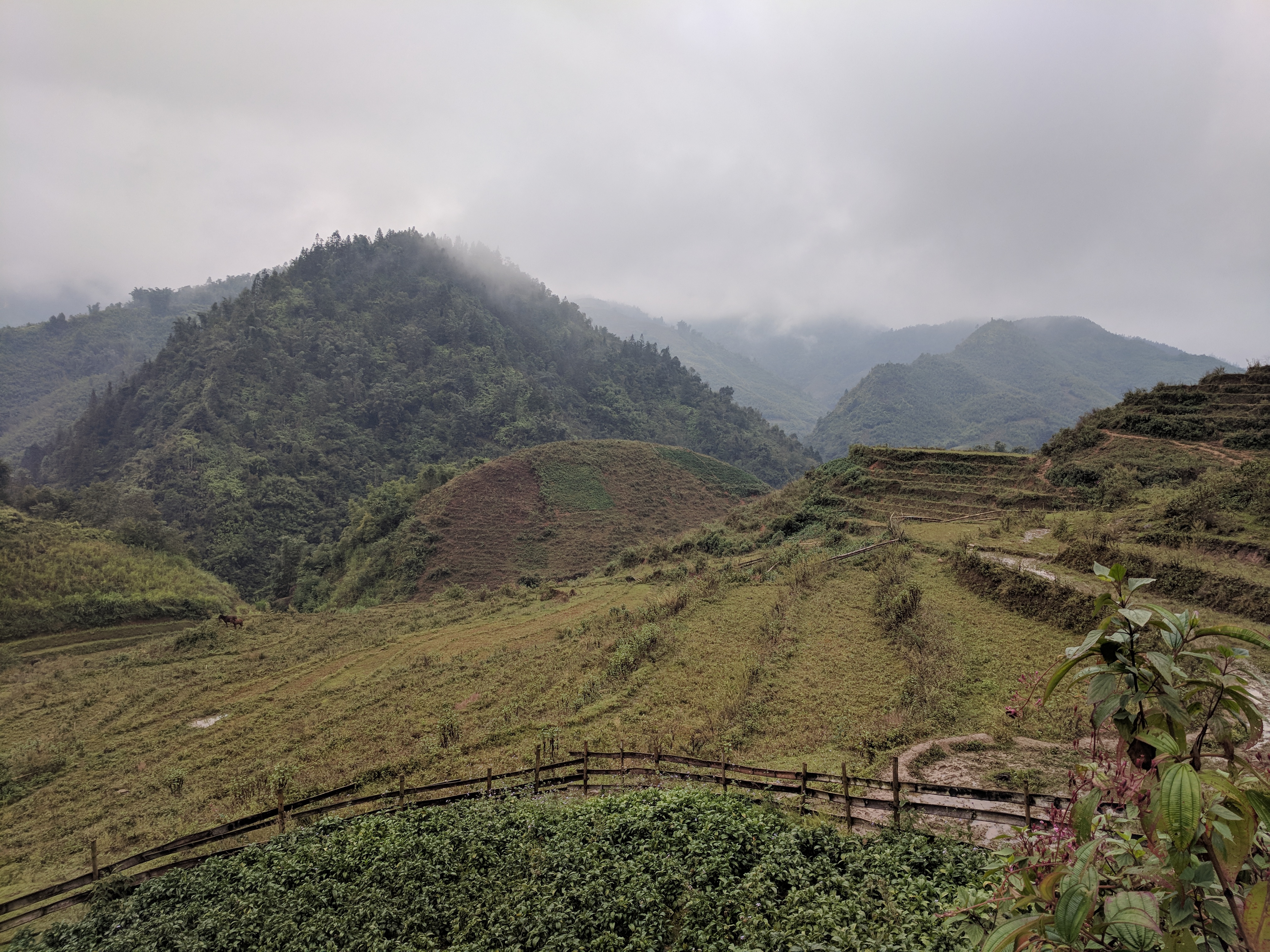
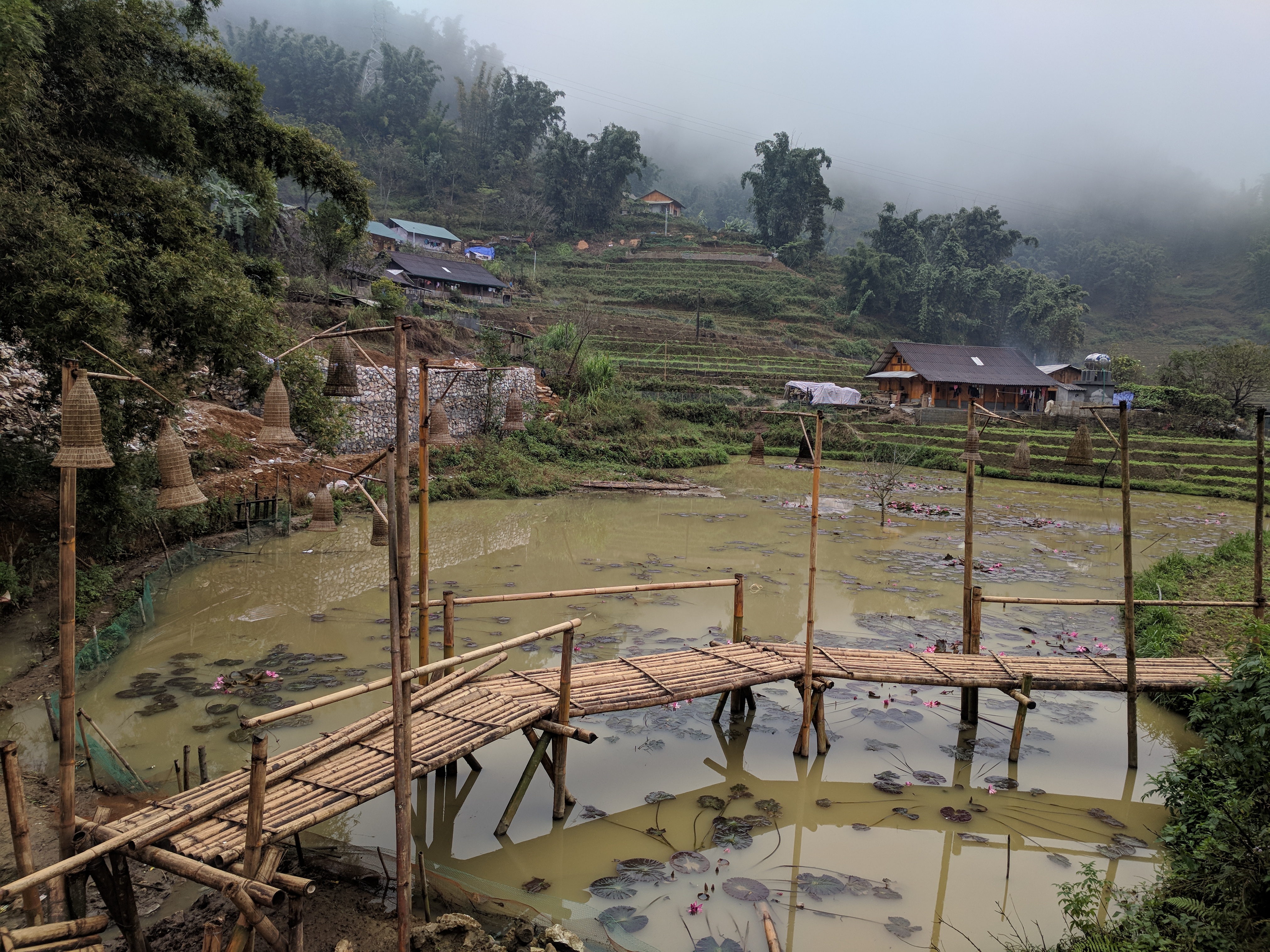
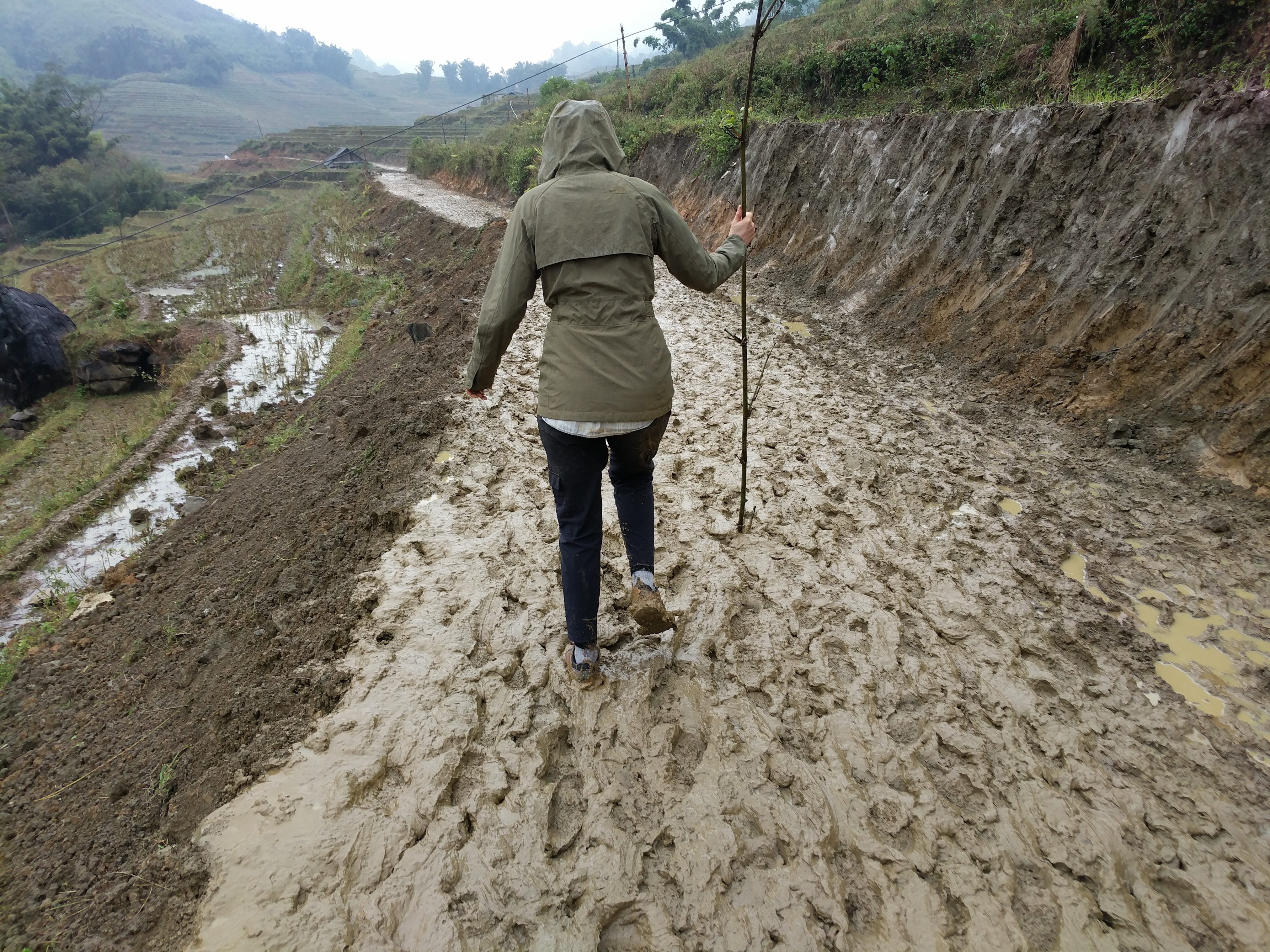
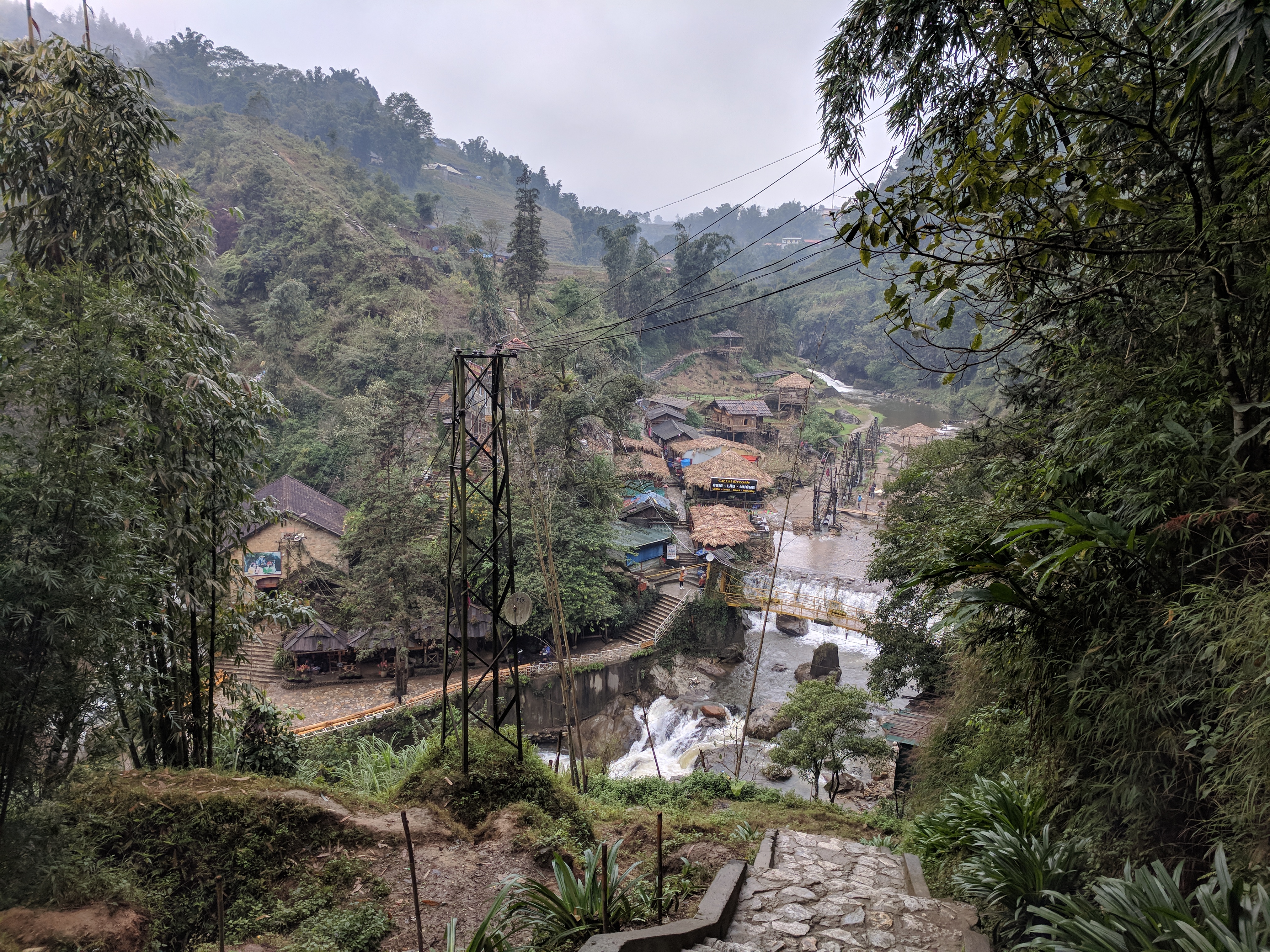
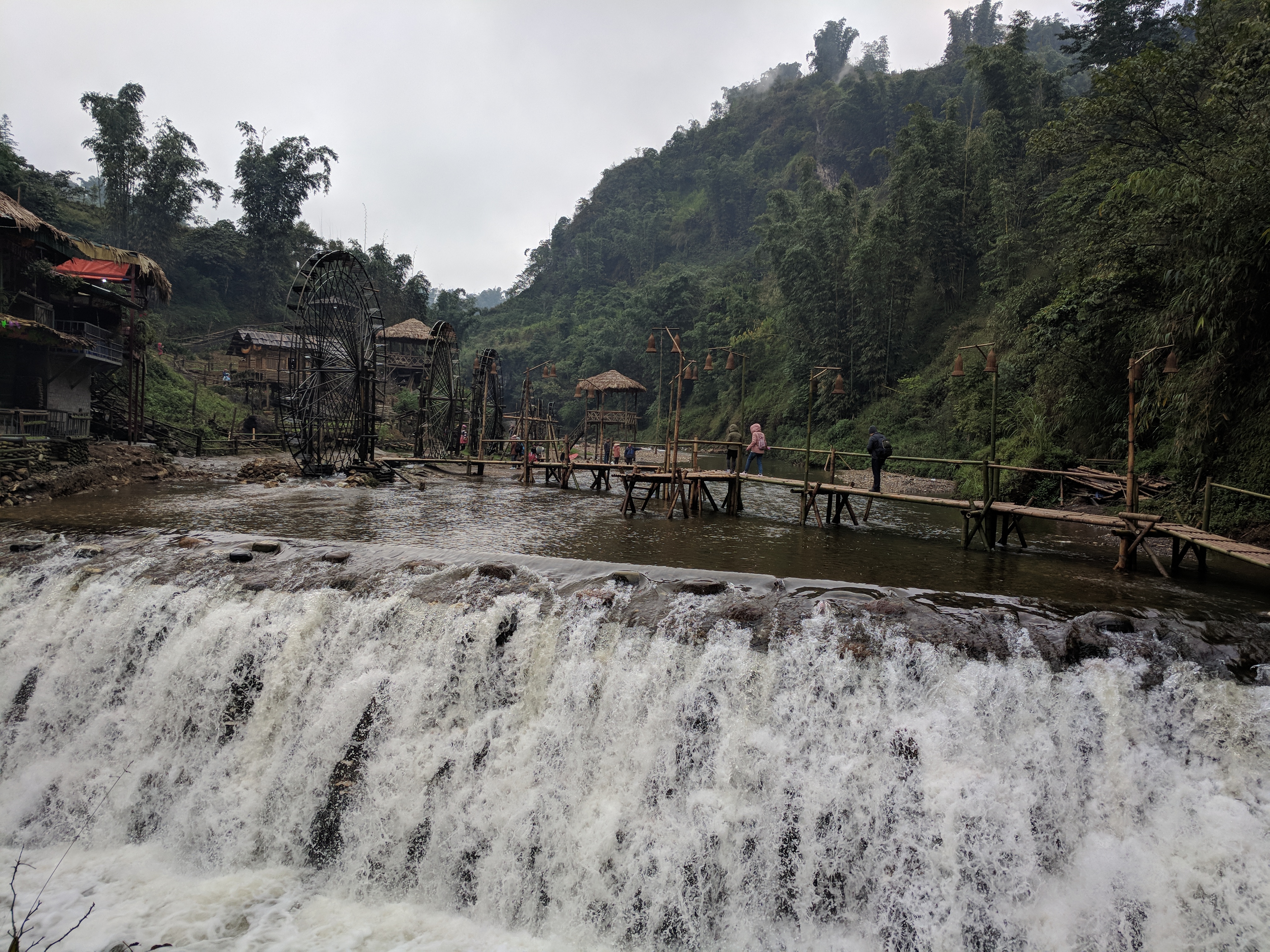
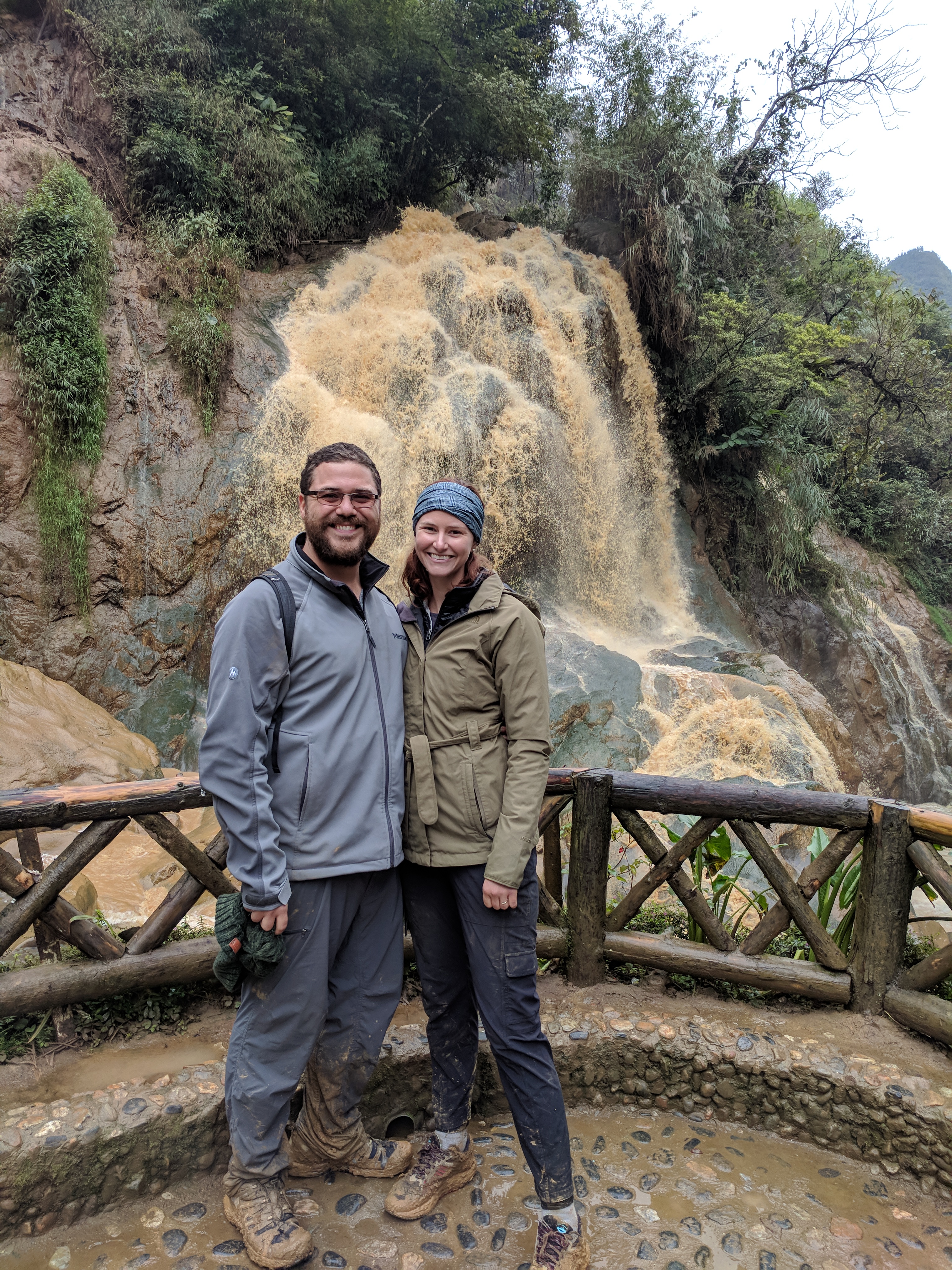
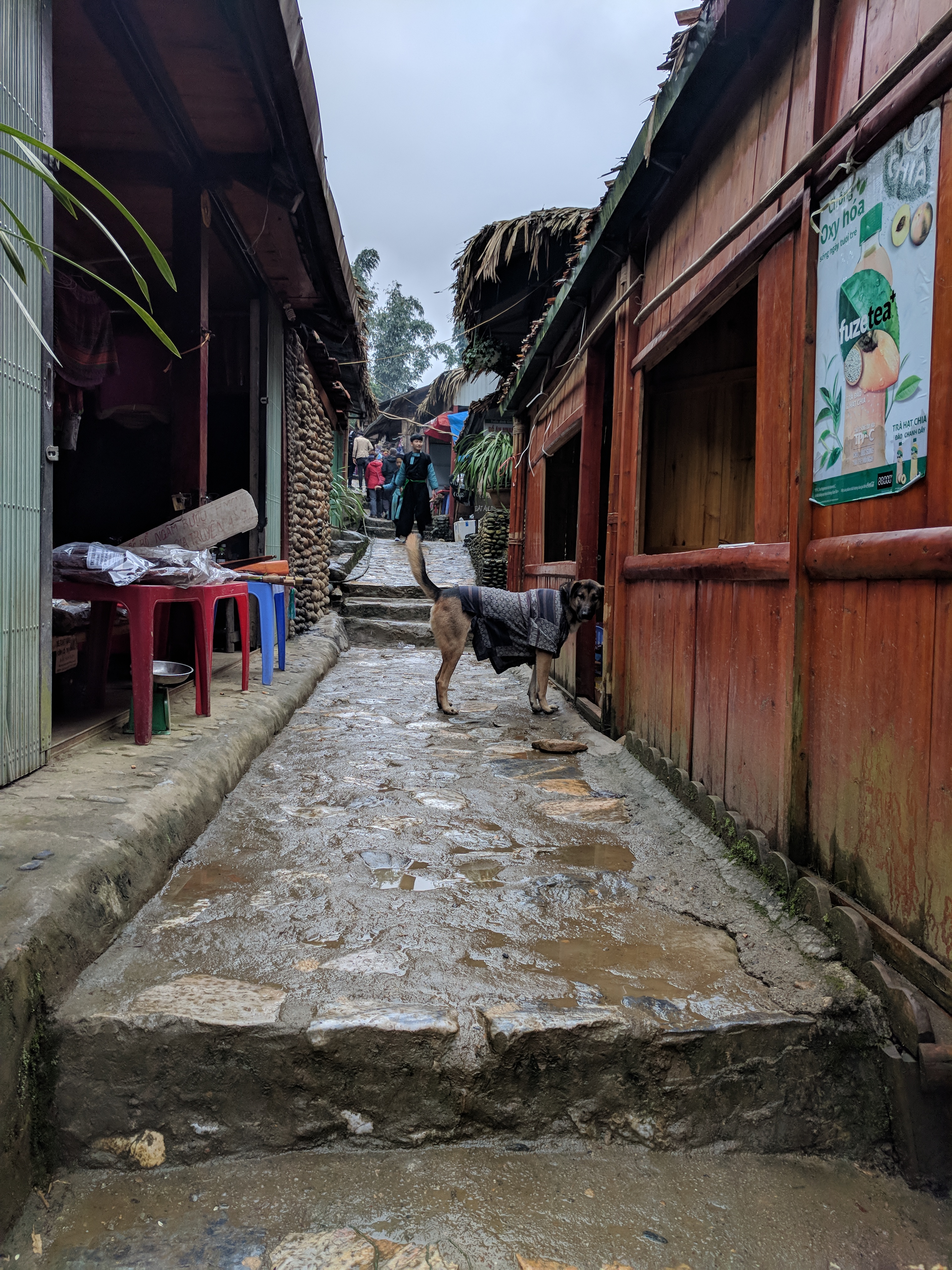
After about two hours of controlled falling and trying not to lose our shoes in the sucking mud, we made it at last to Cat Cat! We paid a girl waiting outside the village 150,000 VND to enter (all villages in this area have an entrance fee, it’s how they capitalize on silly foreigners tramping through their rice paddies I guess). After exploring the charming little village, we took the easy way back up the mountain, the paved road!
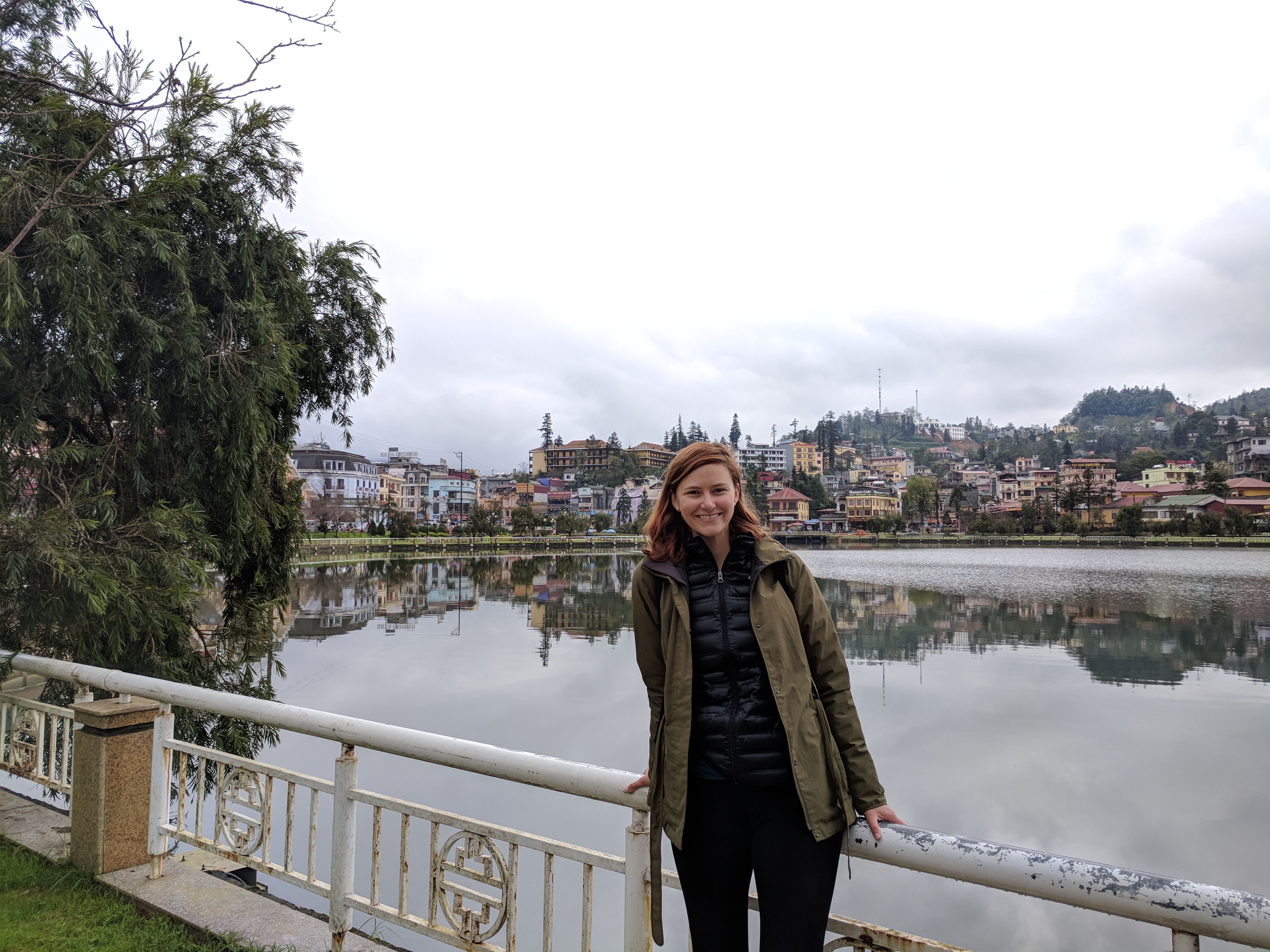
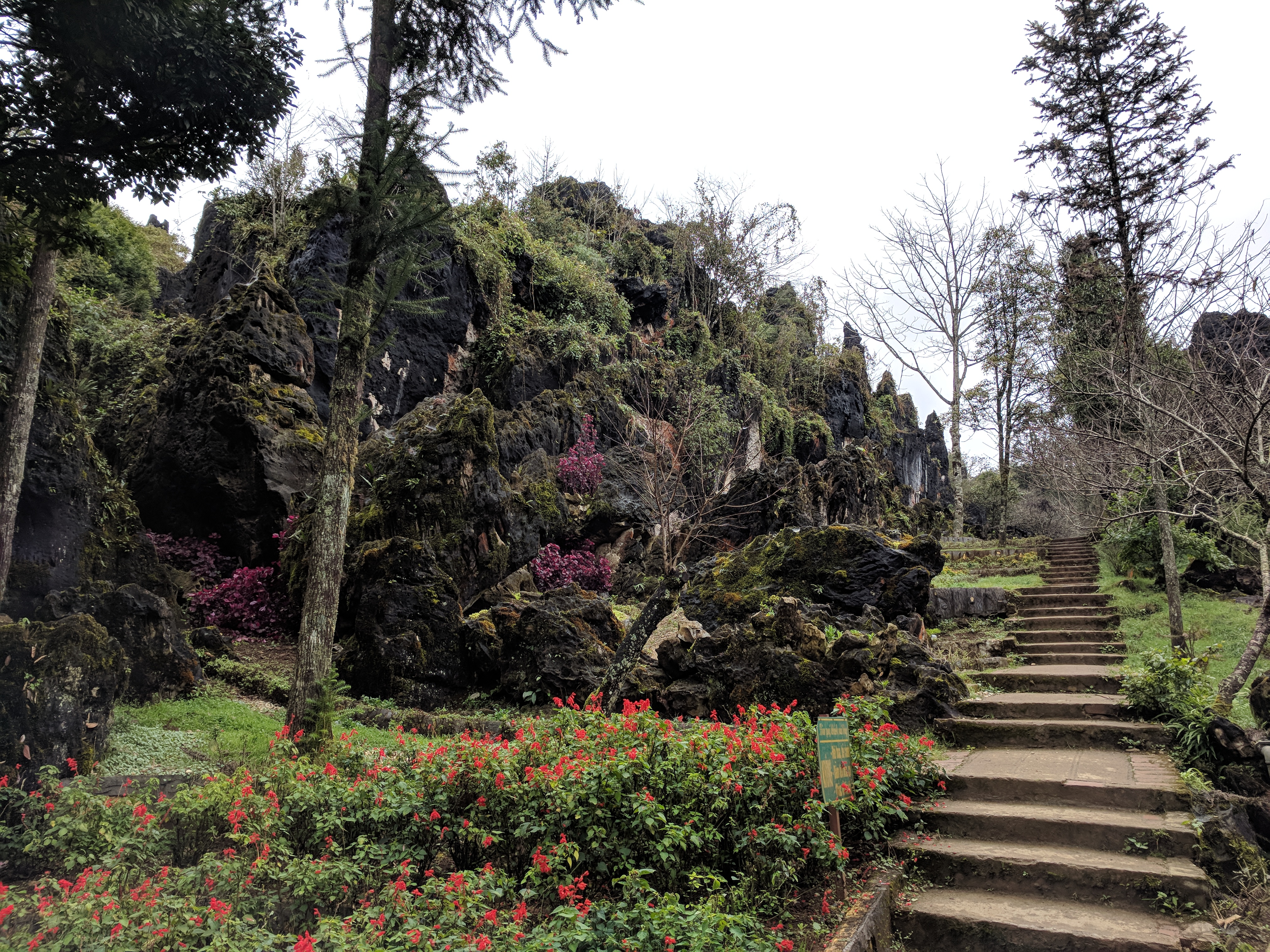
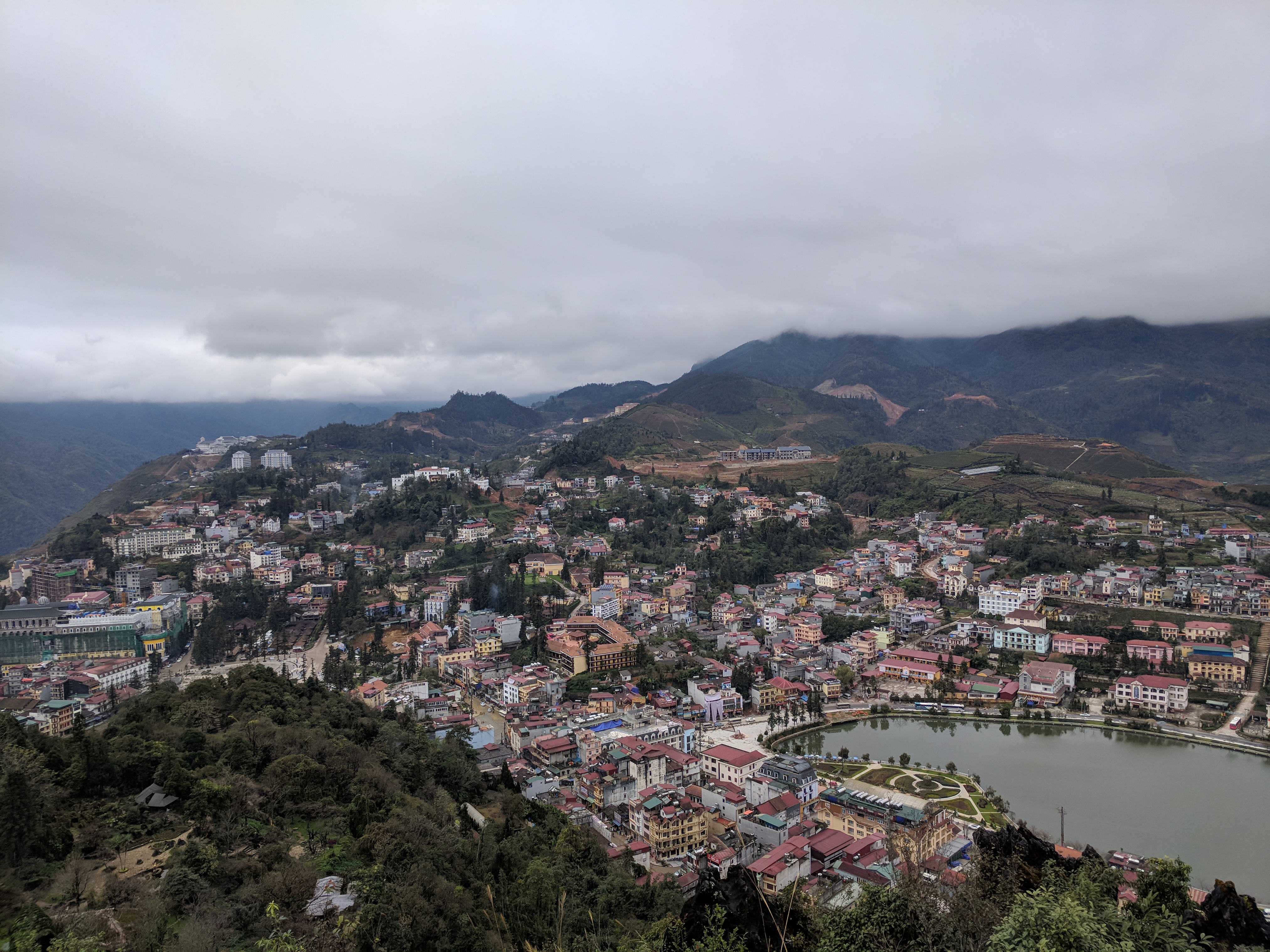
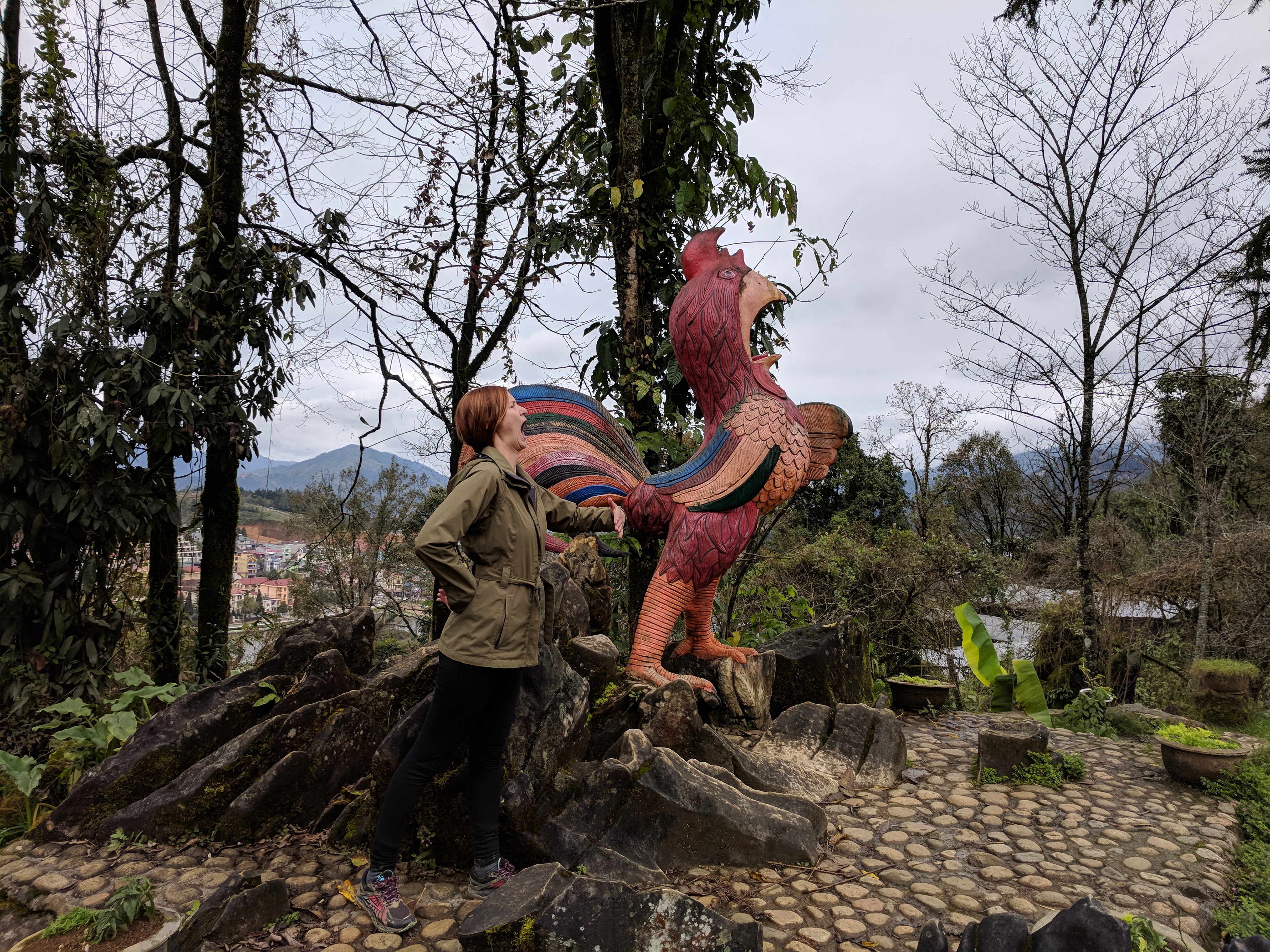
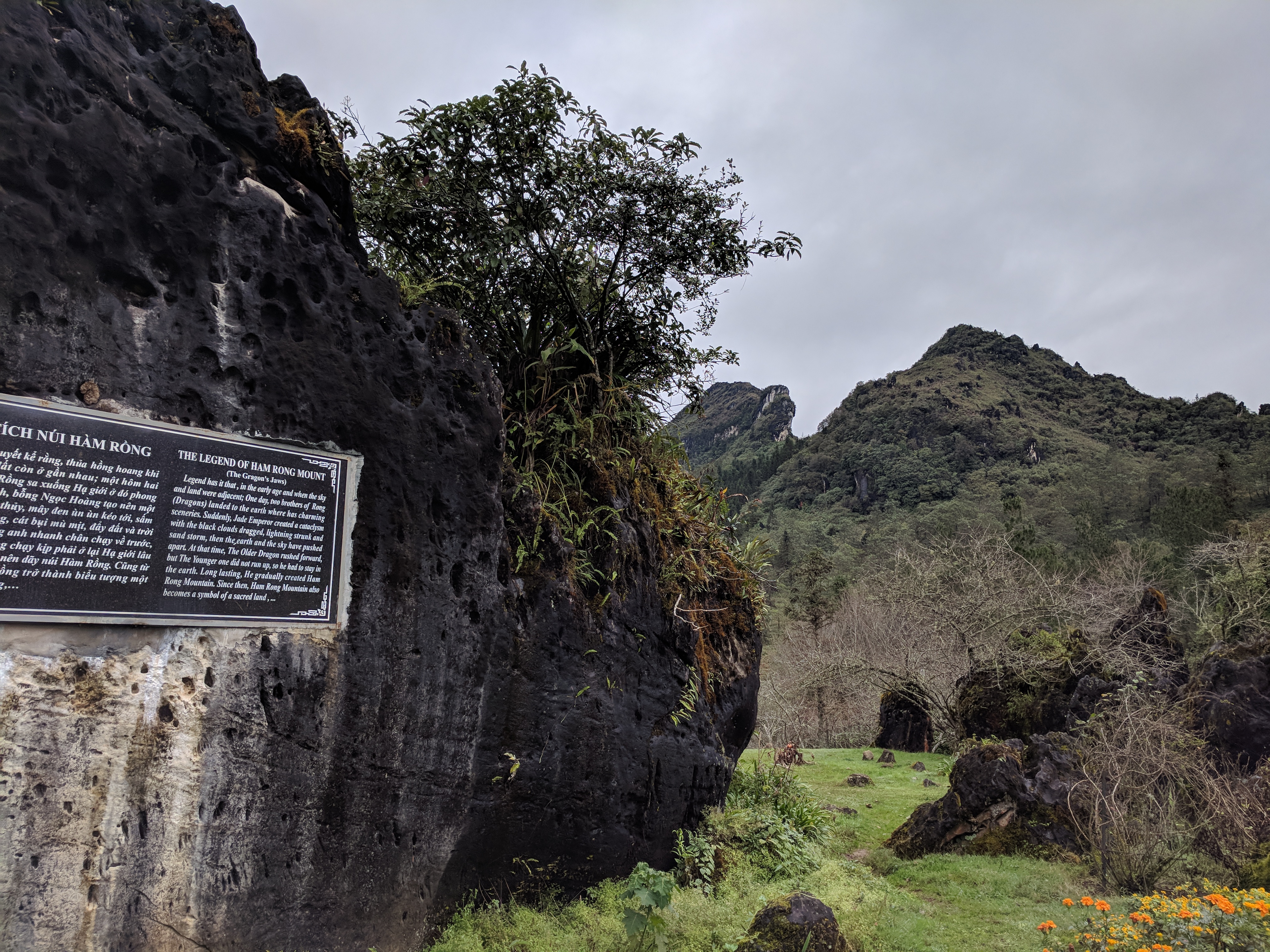
The next morning marked out last day in Sa Pa, and we got quite a treat before we left: the fog lifted! Although we were a bit sore from our mud skiing adventure the previous day, we mustered the energy to climb Dragon Mountain before we left. The trails wind up through beautiful gardens, with some weird sculptures thrown in for no apparent reason, to a lookout of the whole valley at the top of the peak. Finally, we could see the beautiful town hills we’d been exploring! The view was unreal, and totally worth the climb.
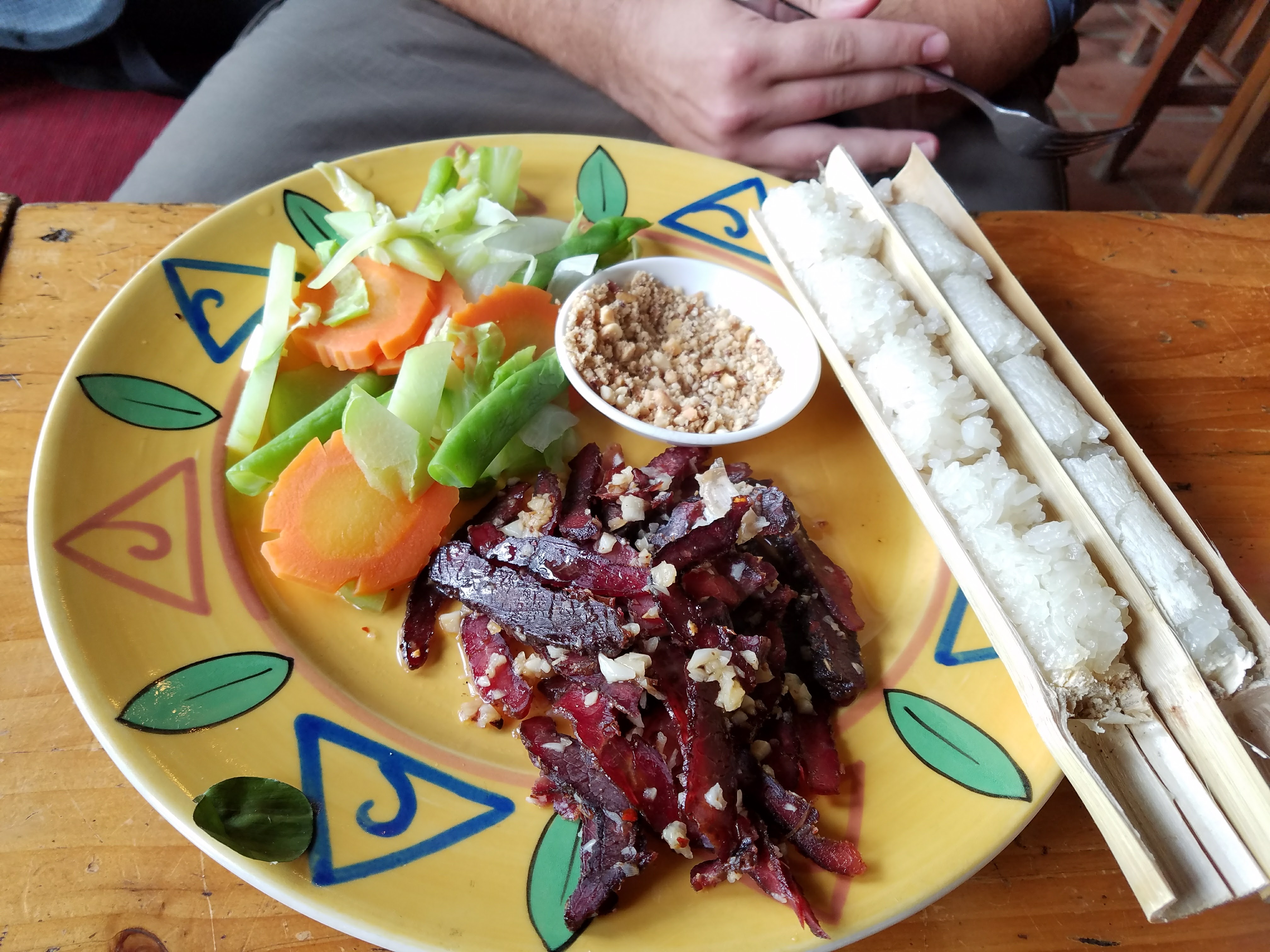
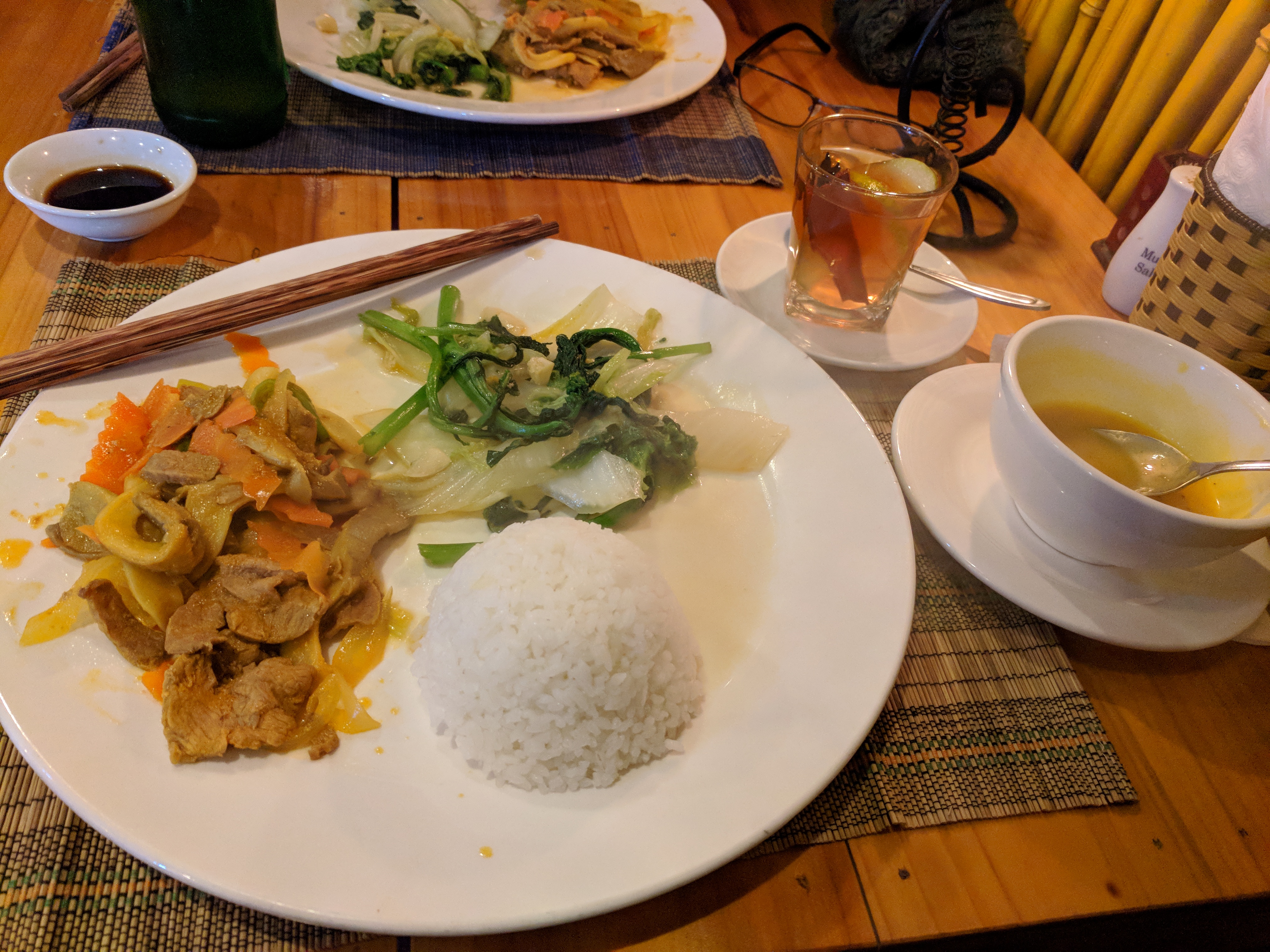
After a hearty traditional Hmong lunch, we caught the bus back to Hanoi, feeling a bit sad to leave such a beautiful valley.