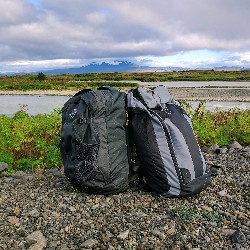
When you think of Nepal, what kind of landscape comes to mind? Mountains, right? They have the tallest mountains in the world, so of course the whole country is one giant mountain range. Well that might be mostly true, but when we crossed over the southern border from India, the views that greeted us were of rice paddies in the flat plain, gradually changing to the dense jungle that covers the foothills of the Himalayas. We drove up into these hills from Lumbini, and the scenery looked a bit more like Costa Rica than Nepal.
Taking up a sizeable chunk of land in the foothills is Chitwan National Park, a protected area covering about 360 sq miles, which is home to tigers, rhinos, sloth bears, leopards, and countless other rare creatures. They take poaching very seriously, with armed guards patrolling the interior and borders of the park day and night. Their vigilance has made a big difference, as the tiger and leopard populations have made a healthy resurgence over the past few decades. Tourism is a pretty big business here, with safari tours and elephant trekking being the most popular activities.
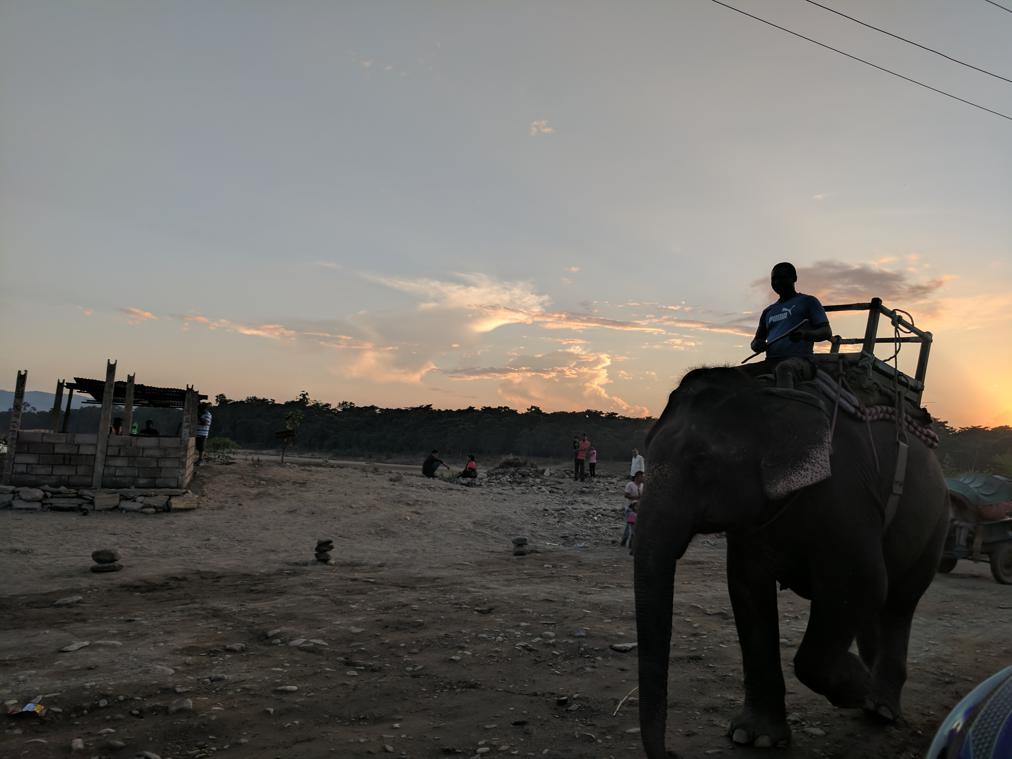 Very sad to see elephants forced to carry tourists around, but still breathtaking to be so close to them.
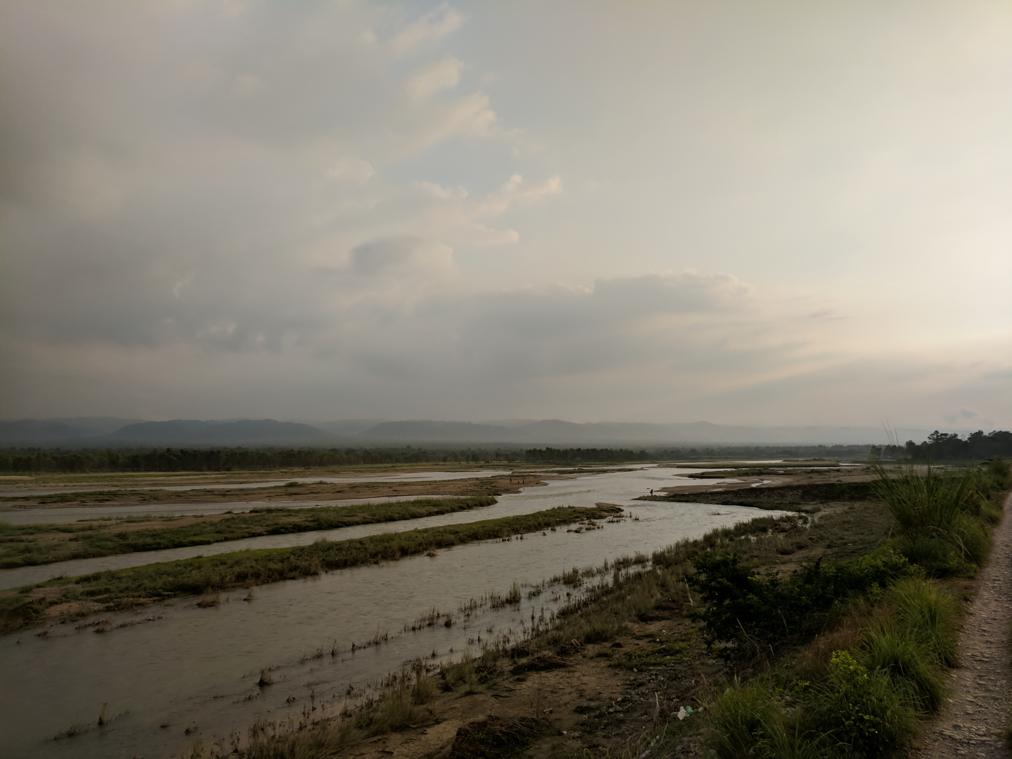
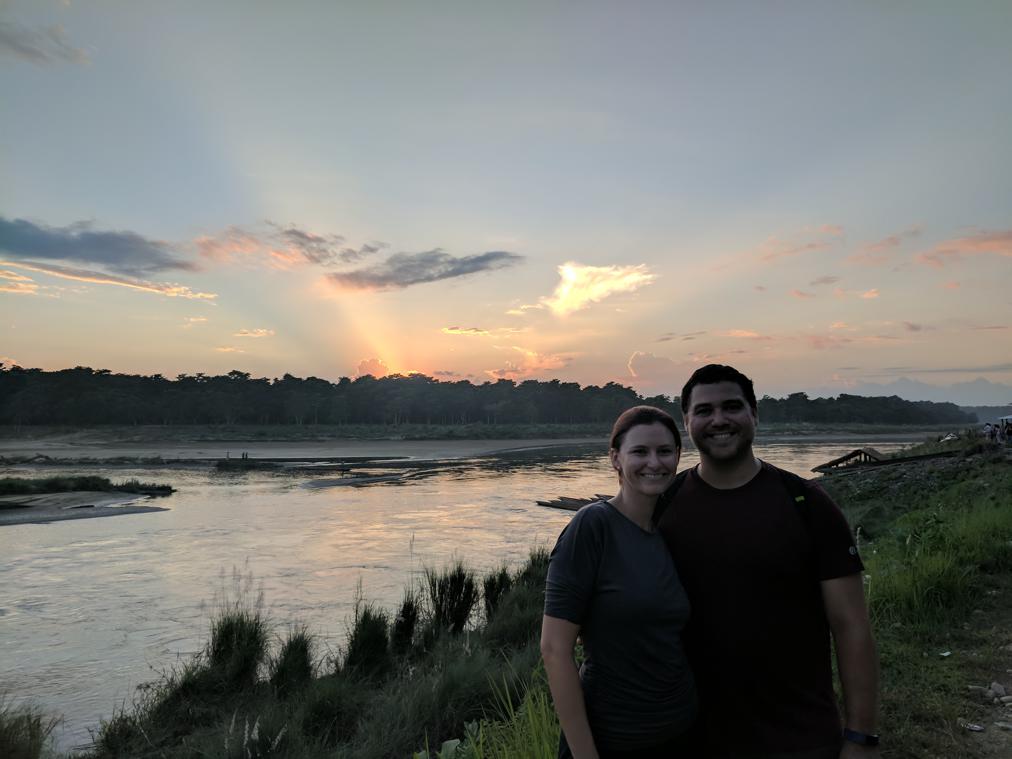 Sunset at the border of Chitwan Park
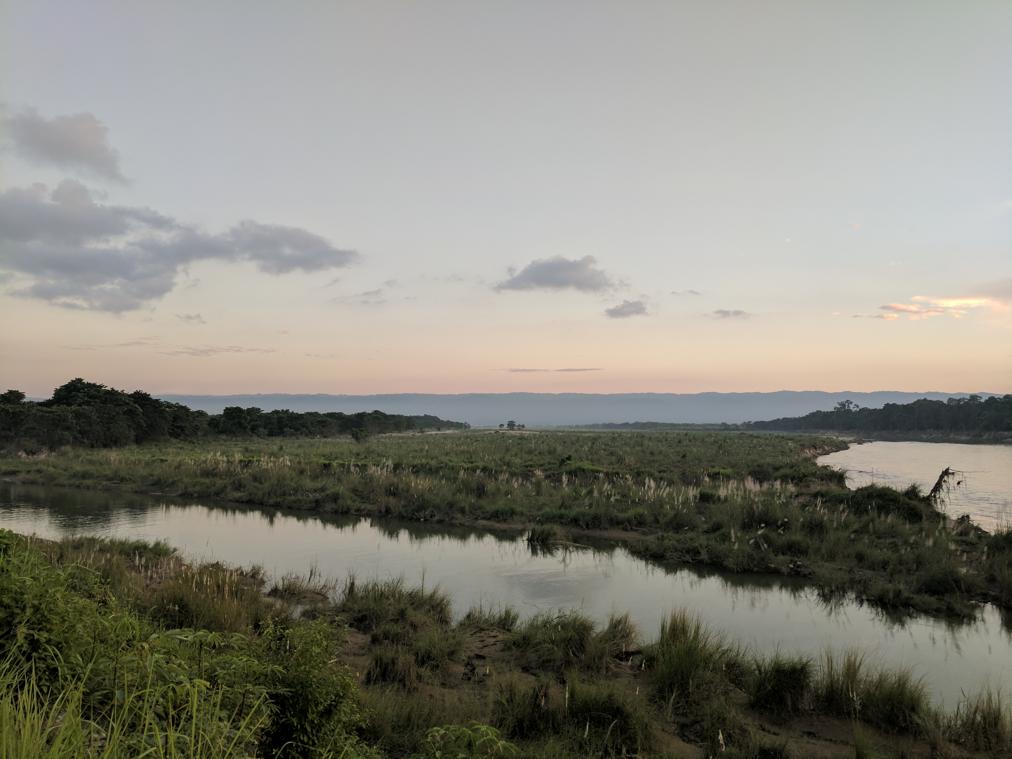 You can’t see any of them because all we have is a camera phone with no zoom, but there are two rhinos, an elephant, and a crocodile in this picture! All pretty far in the distance, except the croc who’s in the river, but looks exactly like a log.
We checked into our hotel on the border of the park, in the village of Sauraha. A bike ride at dusk through the rice fields took us to a small local village, where we were given a short tour and shown how the locals make a living here. They are true natives of the valley, whose ancestors were able to survive the many bouts of malaria that plagued this area. Many other native peoples have died out, unable to survive the malaria that accompanied each monsoon season.
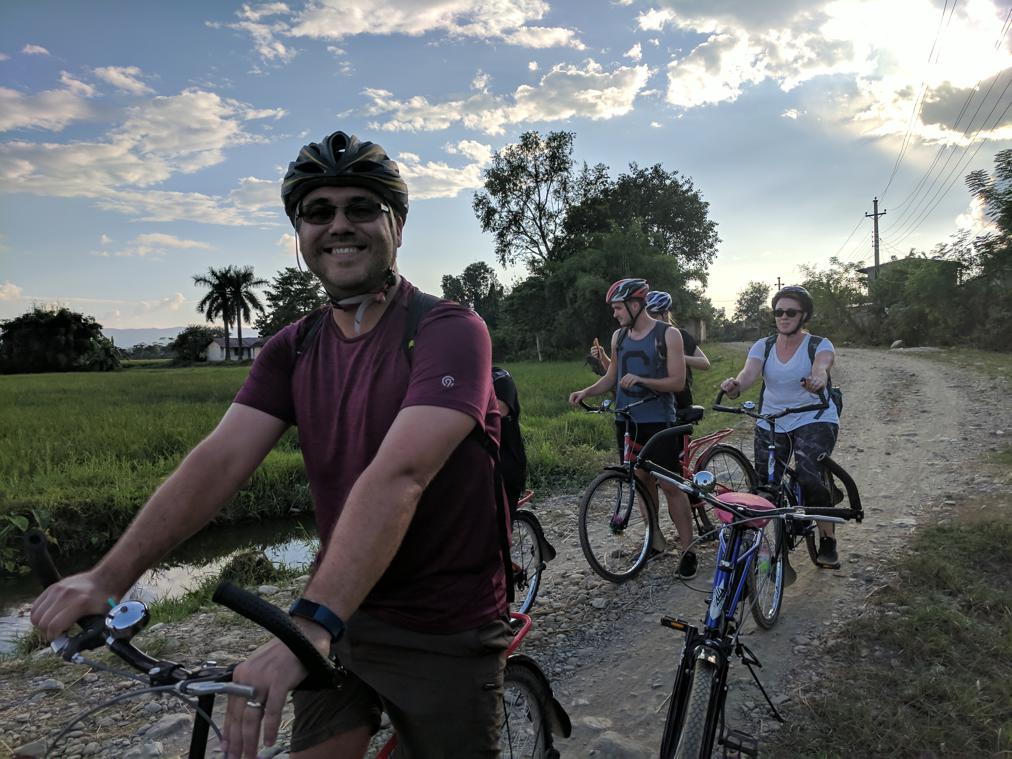 Bike ride through the rice fields.
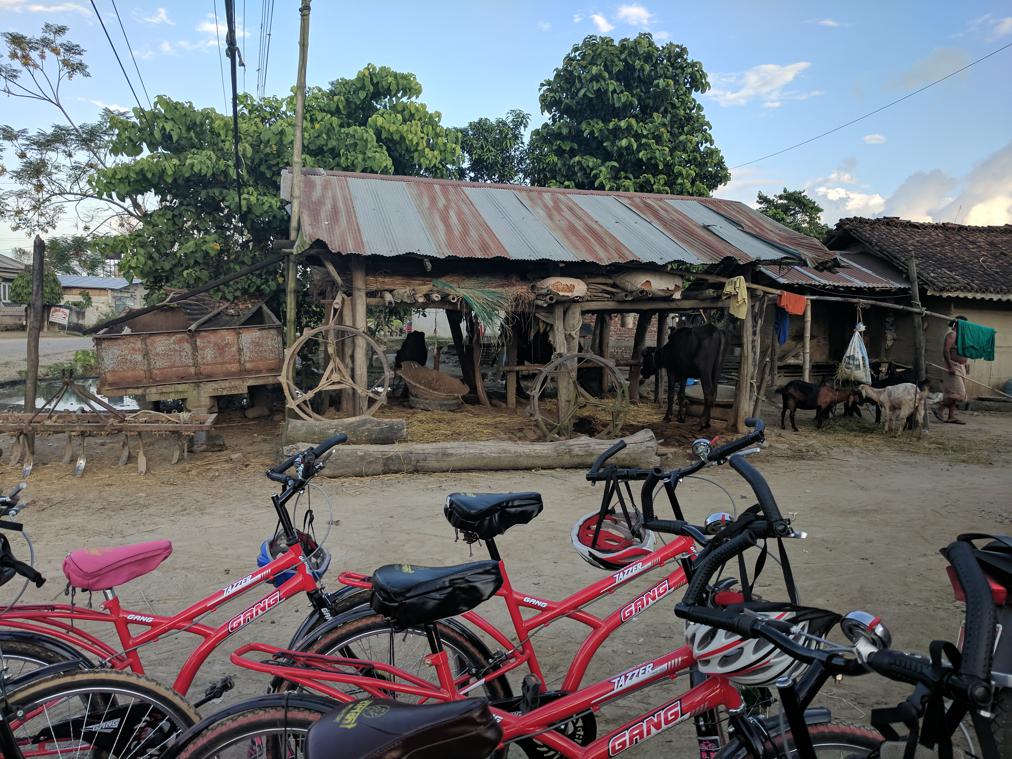 Somehow we have zero good photos of the village…so here’s one of the bikes?
The next morning, Justin took a very hot canoe trip down the river to stay at a lodge inside the national park. Dana stayed behind, dealing with a rebellious intestinal tract, then took a taxi to meet up with them later. No more rhinos were seen, though there were alot of crocodile spottings.
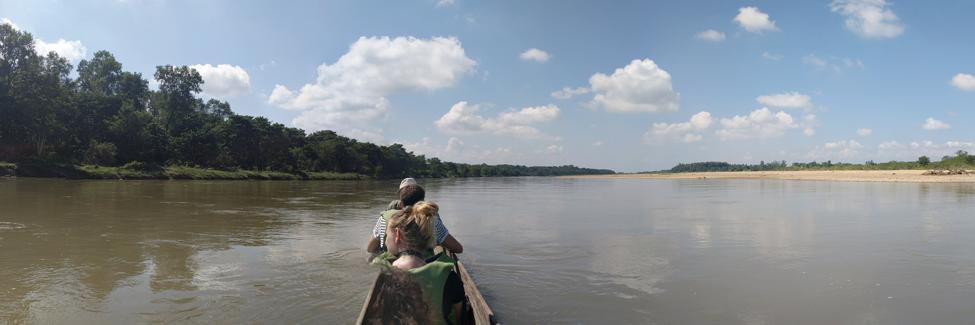 Dugout canoe trip down the Rapti River. Don’t fall in, those aren’t logs you see in the water!
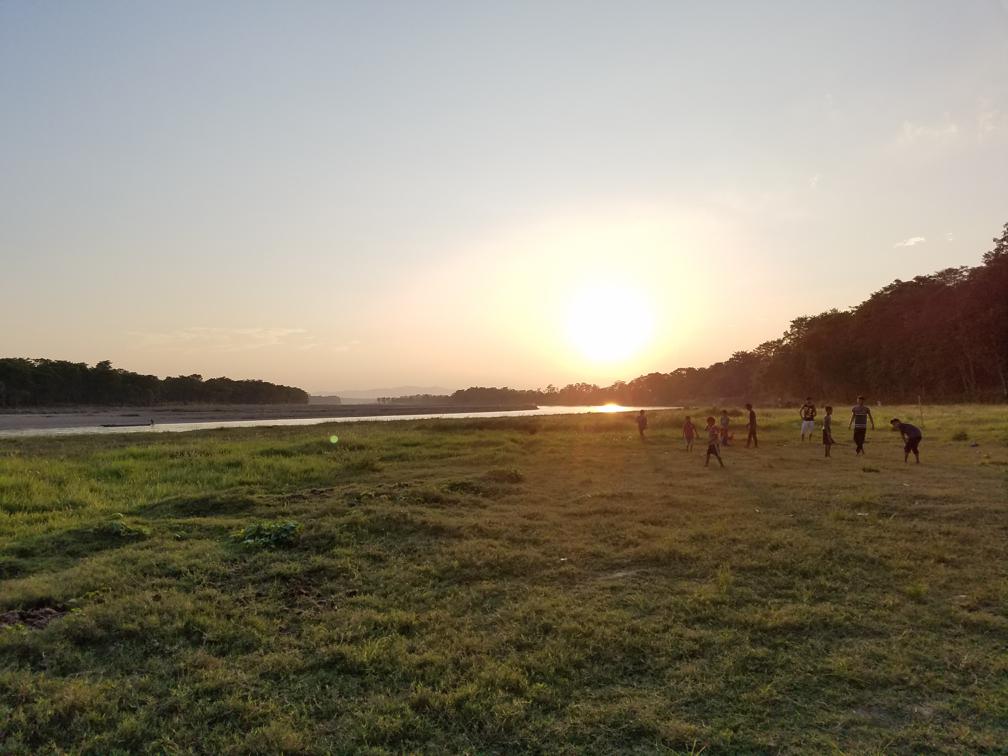 Kids playing soccer on the riverbank at sunset. On the other side of the river we could see the campfires of the national park guards, on the lookout for poachers.
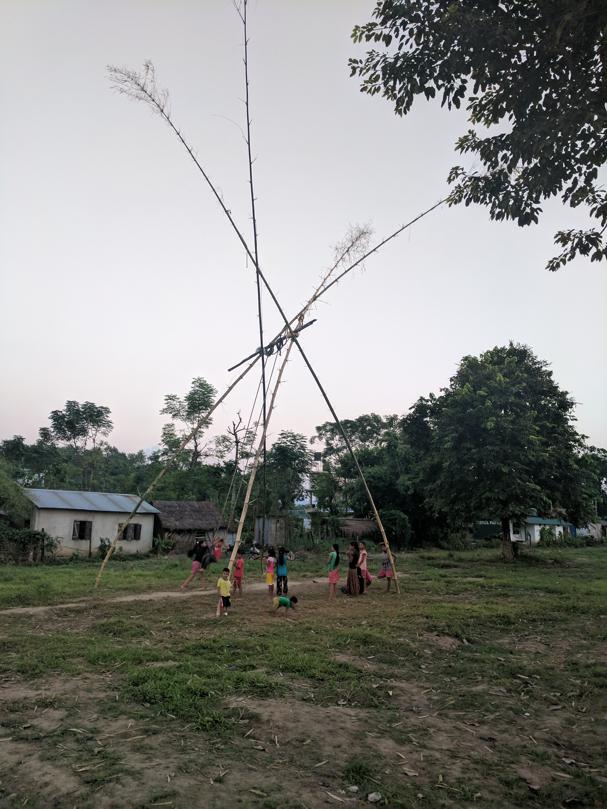 A “swingset” built out of bamboo. We saw a lot of these built all over the country. They looked like fun!
An evening jeep safari on our final day in Chitwan was our last chance to see rhinos, and we got lucky! Well, we saw a flash of its butt as it charged up a riverbank away from us. So, no pictures and not the best sighting, but at least we saw it! The scenery in the park was absolutely stunning at sunset, with a big thunderstorm threatening on the horizon. There was plenty of non-rhino wildlife, including peacocks, wild cattle, crocs, monkeys, storks, and huge Sambar Deer (the favorite prey of tigers- they look a bit like North American elk). Tigers are incredibly rare to spot, since they are very territorial and shy. The guides told us a local woman had been killed by a tiger just the week before while collecting plants from the border of the park, so they definitely do have a presence here.
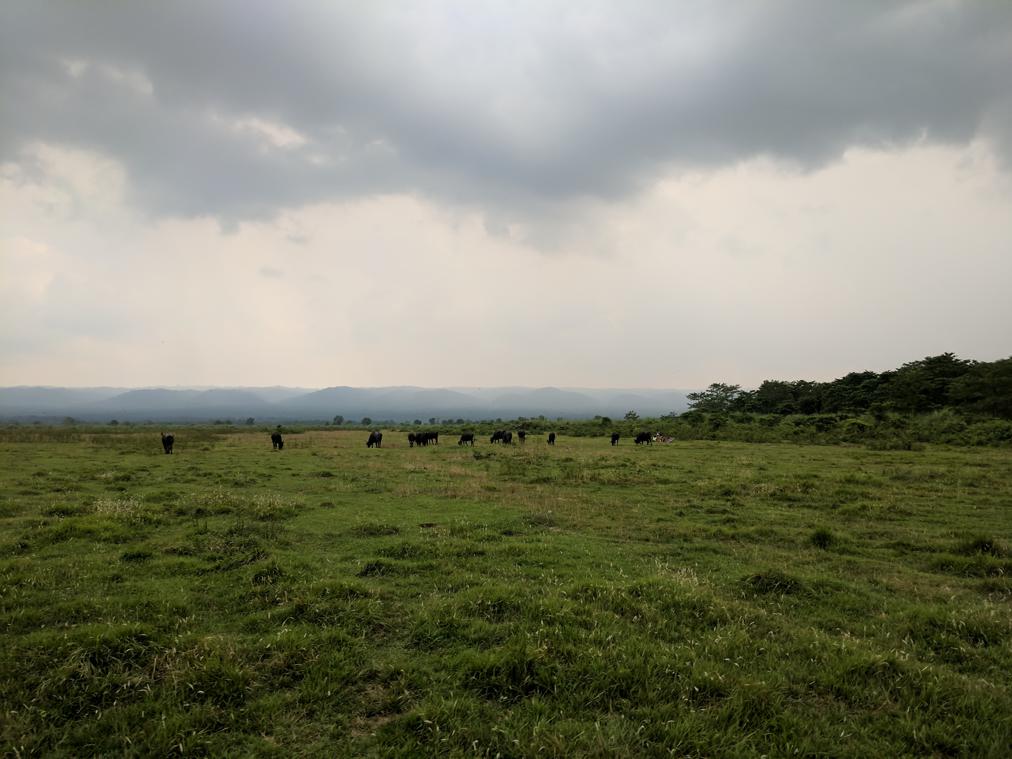 We felt like we were on a safari in Africa
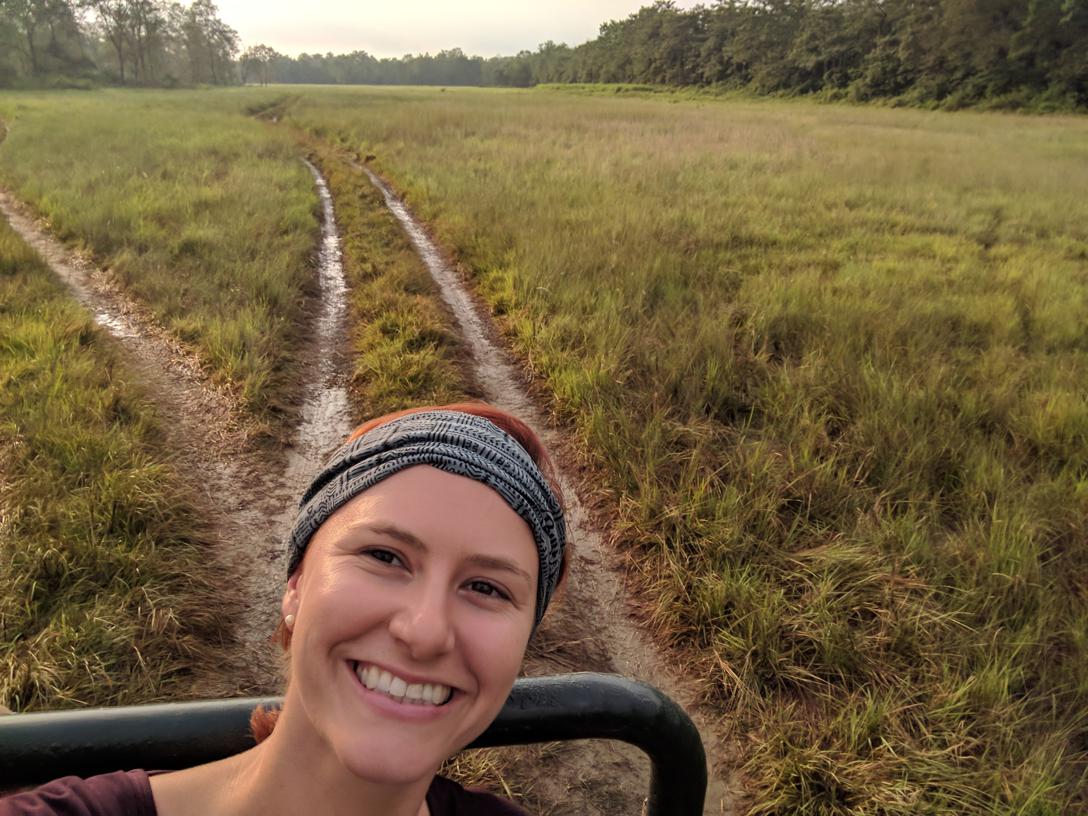
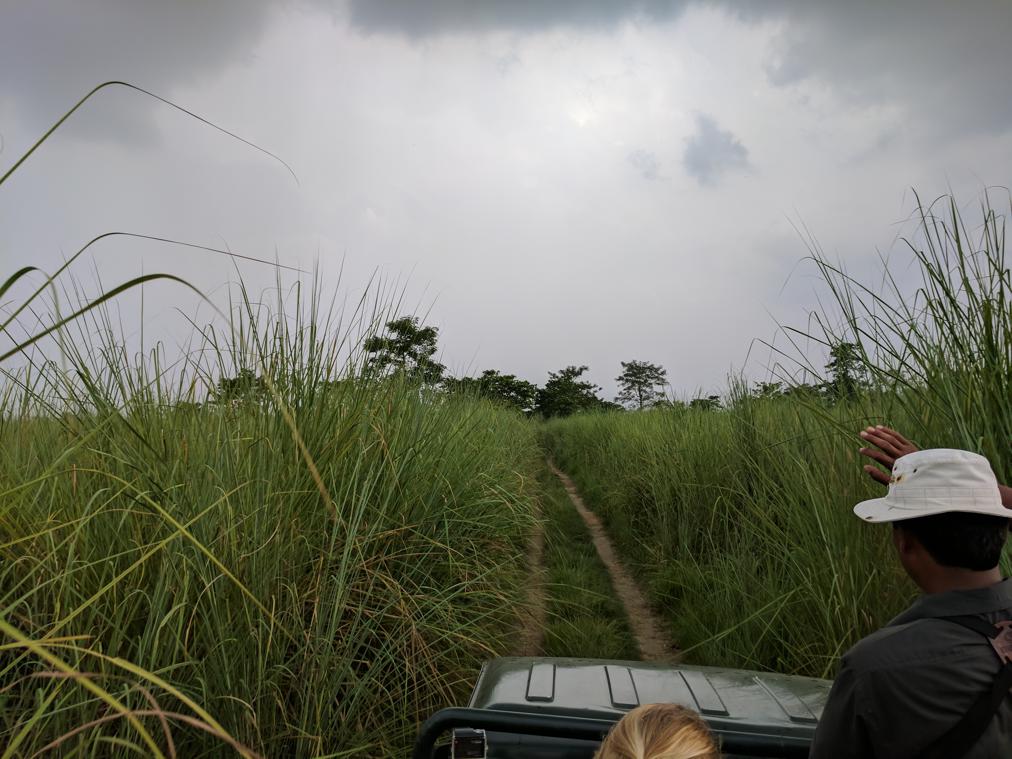 Tall grass hiding the tigers just waiting to pounce on us…
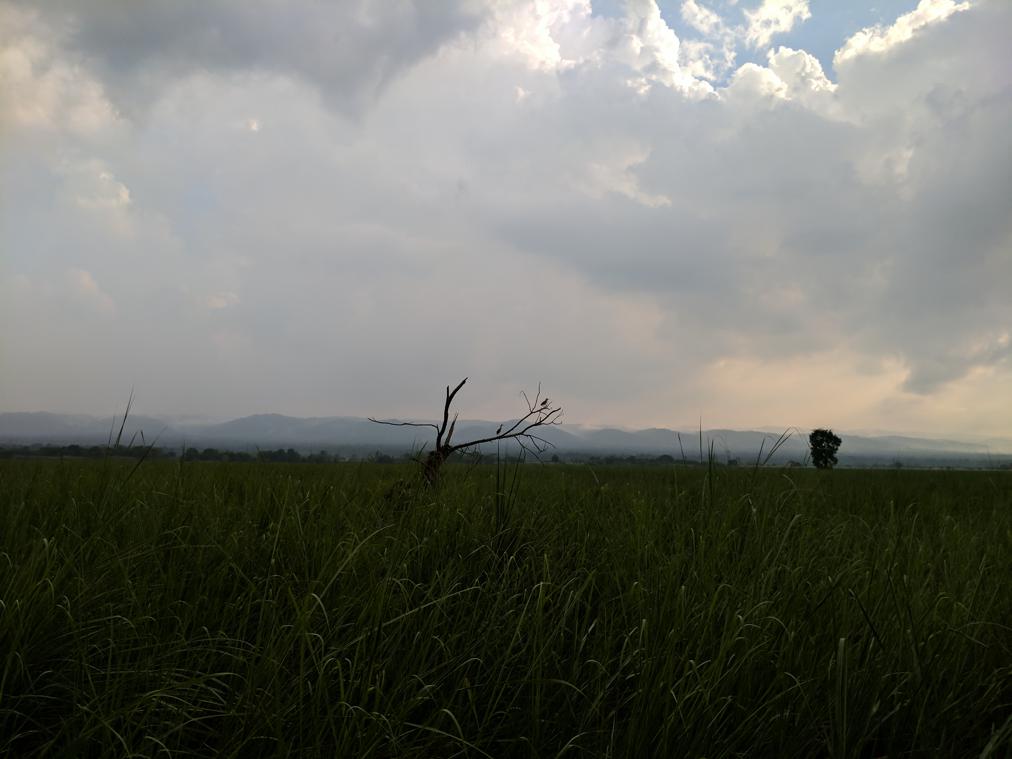
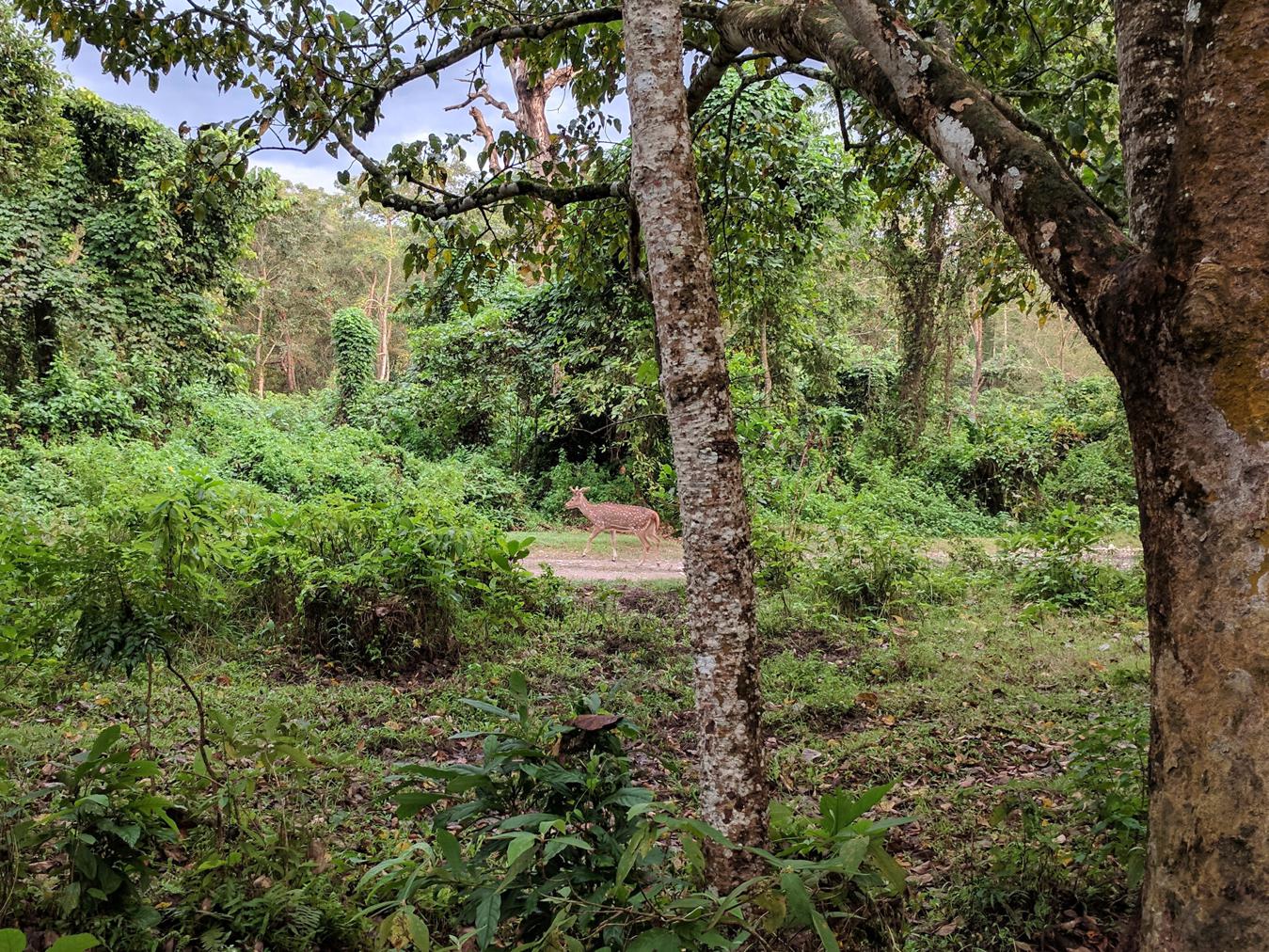
Oh deer! This is the only wildlife photo we took where you can actually see the animal… cell phone cameras are great for many things but zooming in on an animal butt 20 meters away in the woods is not one of them. This is a smaller cousin of the Sambar deer, not as big and impressive.
comments powered by Disqus